Quality pet
buns for Perth
Family-friendly pets
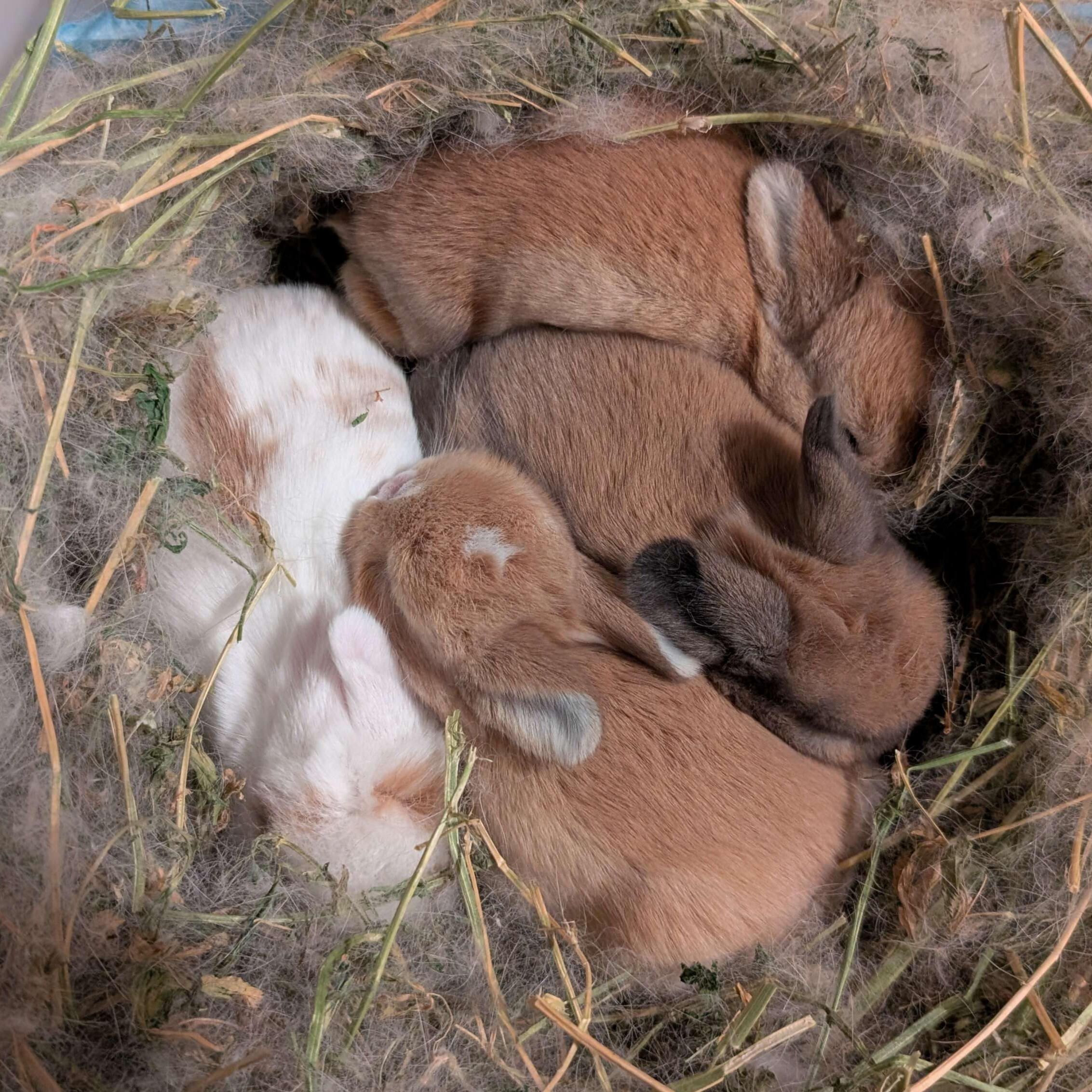
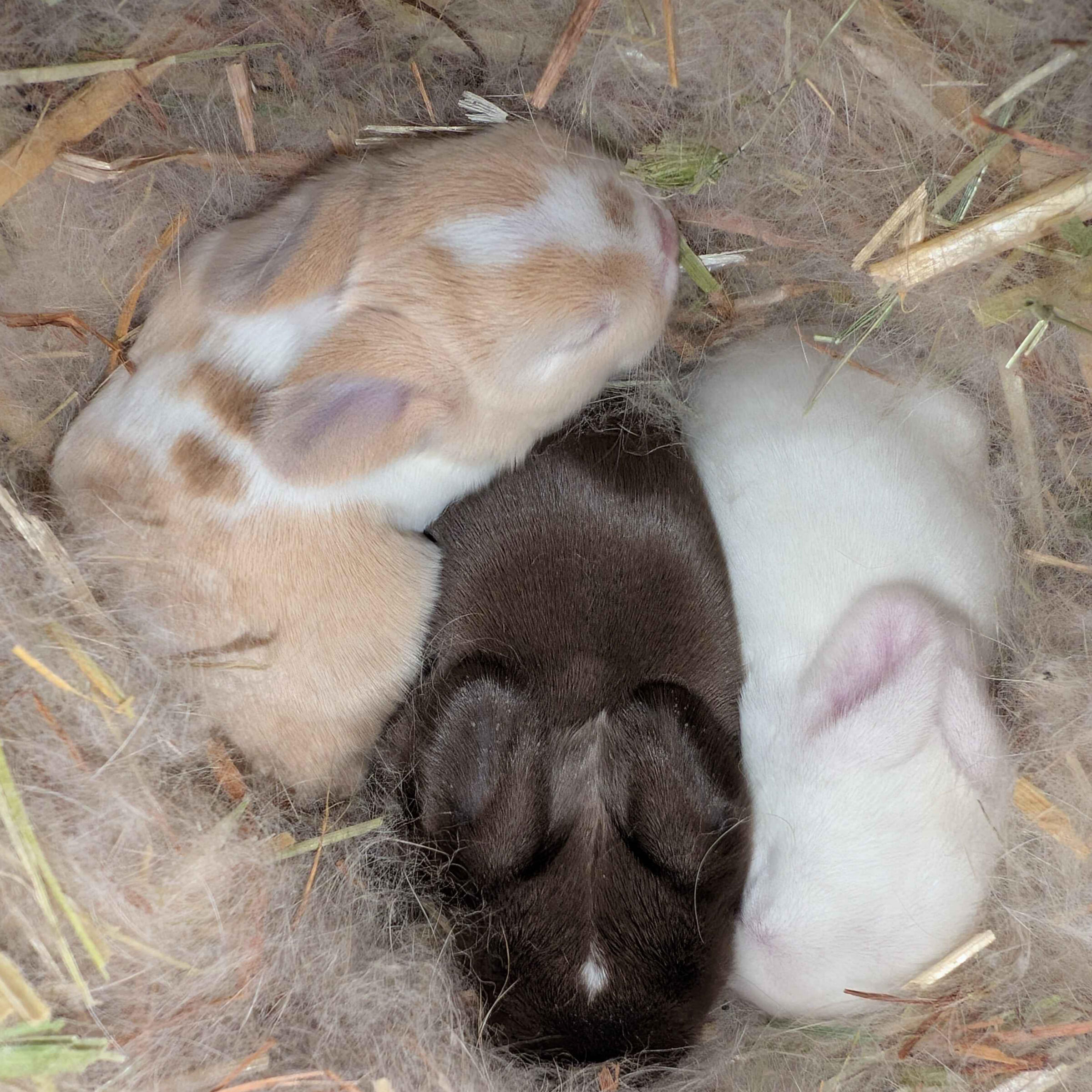
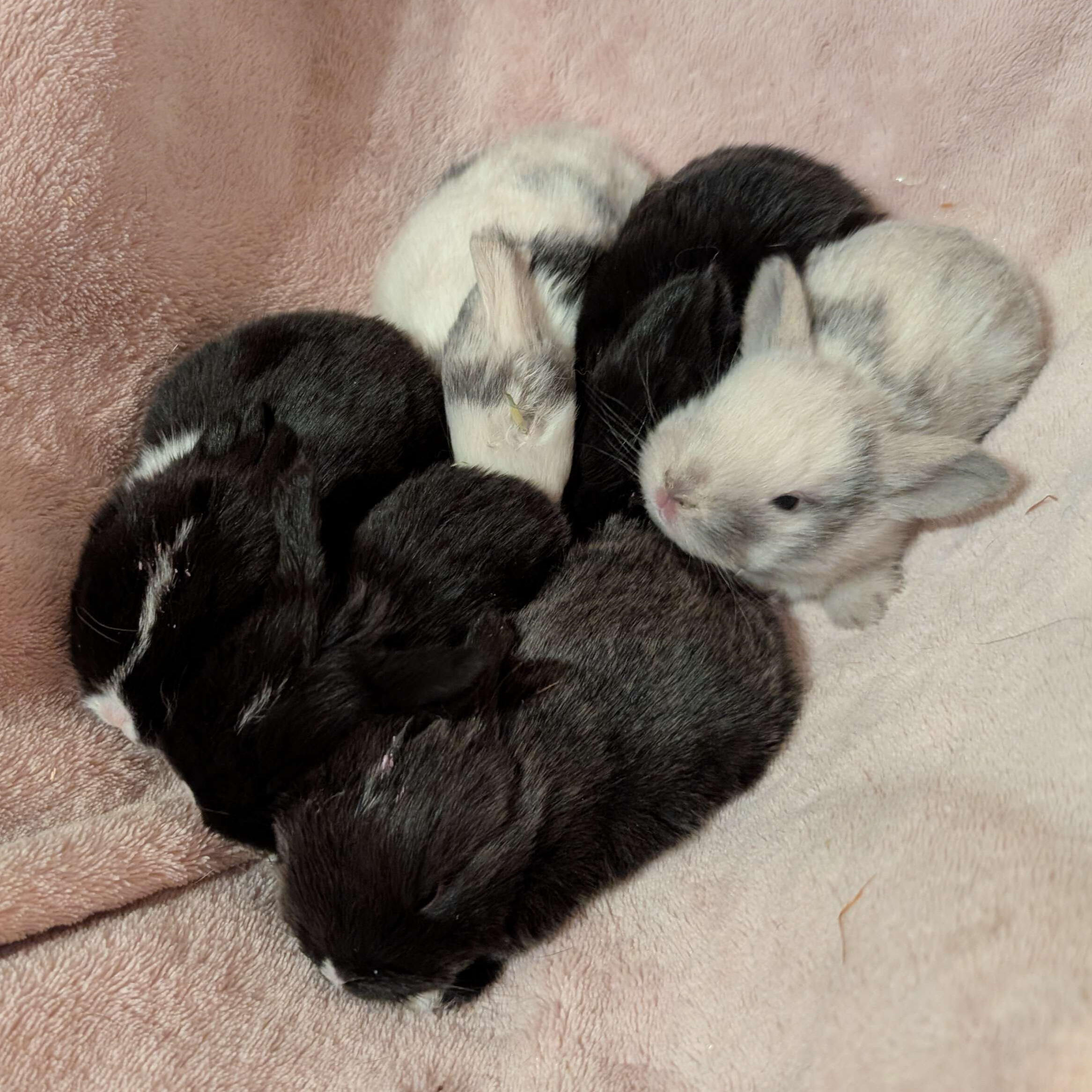
Our rabbits are raised indoors and engage with humans, dogs, and cats every day. We pride ourselves on exposing our kits to a variety of experiences and people from a young age to aid with their transition to their new homes.
Profesional parental lineage and genetic tracking
Professional registered breeder
New litters available all year round
Make sure you get your name registered for our next available litter. We operate on a first-come-first-served schedule.
About Mae's Buns
Quality Rabbits Guaranteed
Selective & Responsible Breeding
We only pick the best of the litter to continue the next generation. We test temperament, genetic abnormalities, recessive inheritance potential, and BRC breed-standard colours.When outbreeding, we work with only qualified, reputable breeders, even bringing in new blood from over east to benefit the limited gene pool of rabbits Australia has.We are a professional breeding organisation, NOT backyard breeders. We have our own ABN and function as a business for the benefit of quality rabbit lineages.
Improving Care Practices
Scientifically-Accurate Information
All advice we provide has been backed by peer-reviewed studies from the National Institute of Health.We are always looking for ways to broaden our horizons, provide even more accurate and beneficial information, and improve our own knowledge on rabbit care.All our kits come with sales receipts confirming your adoption of one of Mae's Buns. They have been given coccidiosis treatment throughout weaning and we recommend the same for their new home until they're older.
Professional Registered Breeder
Our Story...
Rabbit Crazy!
My first rabbit was a stray given to me by a neighbour. Escaped domesticated rabbits roamed our street and nested in their backyard. They asked us if we could take one, so we did and he was our first of many to come.
I later adopted another two adult male rabbits, only to find out one was a female. I suddenly had 6 surprise baby rabbits to take care of!
I learnt quickly about how to care for rabbit kits and managed to rehome all of them except for one; a girl to keep Mum company.
Soon I delved into researching different rabbit breeds, learning about genetics. Very quickly, I fell in love with Viennas with their bright blue eyes and unique white patterns.
Slowly, I expanded my little rabbitry, finding does and bucks with the best variety in their genetics to avoid any poorly bred kits. Within a year, I went from 4 rabbits to 14!We allow local children to visit and handle the kits, helping with their socialisation.
Mae's Buns does NOT participate in rabbit shows, but we aim for healthy show-standard aligned breeding. We find a lot of breeds within these shows are bred with appearances in mind rather than their health. All our rabbits are checked to avoid congenital defects such as Max Factor, Chondrodystrophy, and Cleft Lip/Palate. We DO NOT breed dwarf-to-dwarf.
Indoors living
& rearing
Safest Inside
Secure and comfortable
All our rabbits are kept inside on rabbit-specific flooring, such as carpet, sisal rug, and even cardboard for them to chew on. They each have their own housing, separated by 2 layers of metal fencing, and are litter trained with natural wood pellets.
Our kits go into a bigger carpeted area together until they are big enough to go to their new homes.
We grow our own fodder for extra amino acids and antioxidants, consisting mostly of Barley and Sunflower. They have gravity water feeders and hay always available. We occasionally trim branches off our orange and lemon trees for them to chew on as a treat, or gather large bunches of grass and weeds from the garden.
For toys, they are given a variety of cardboard recyclables with treats hidden inside. They are free to chew on their sisal rugs which we replace once they've had their fun.
Expanding Our Rabbitry
Excited for variety?
We have begun expanding our rabbitry, starting with Cashmere Lops, Mini Cashmere Lops, Velveteen Lops, British Giants, and Rexes!
We plan on developing 4 new lines within our rabbitry:
- Mini Cashmere Lops (BRC Standard)
- Cashmere Lops (BRC Standard)
- Mini Astrex Lops (Unrecognised)
- Giant Astrex Lops (Unrecognised)
Stay tuned if you are interested!
Giants,
Cashmeres,
& Astrexes—oh my!
Animal Lovers
Big & Small
Ferrets
We also breed ferrets
If you are a household that has older children or young adults, a ferret may be more suited to your lifestyle. They engage with humans in play more than rabbits do and love to explore new places with their owners on a lead.
Our Does
Miniature Lop

Claudia - #3001
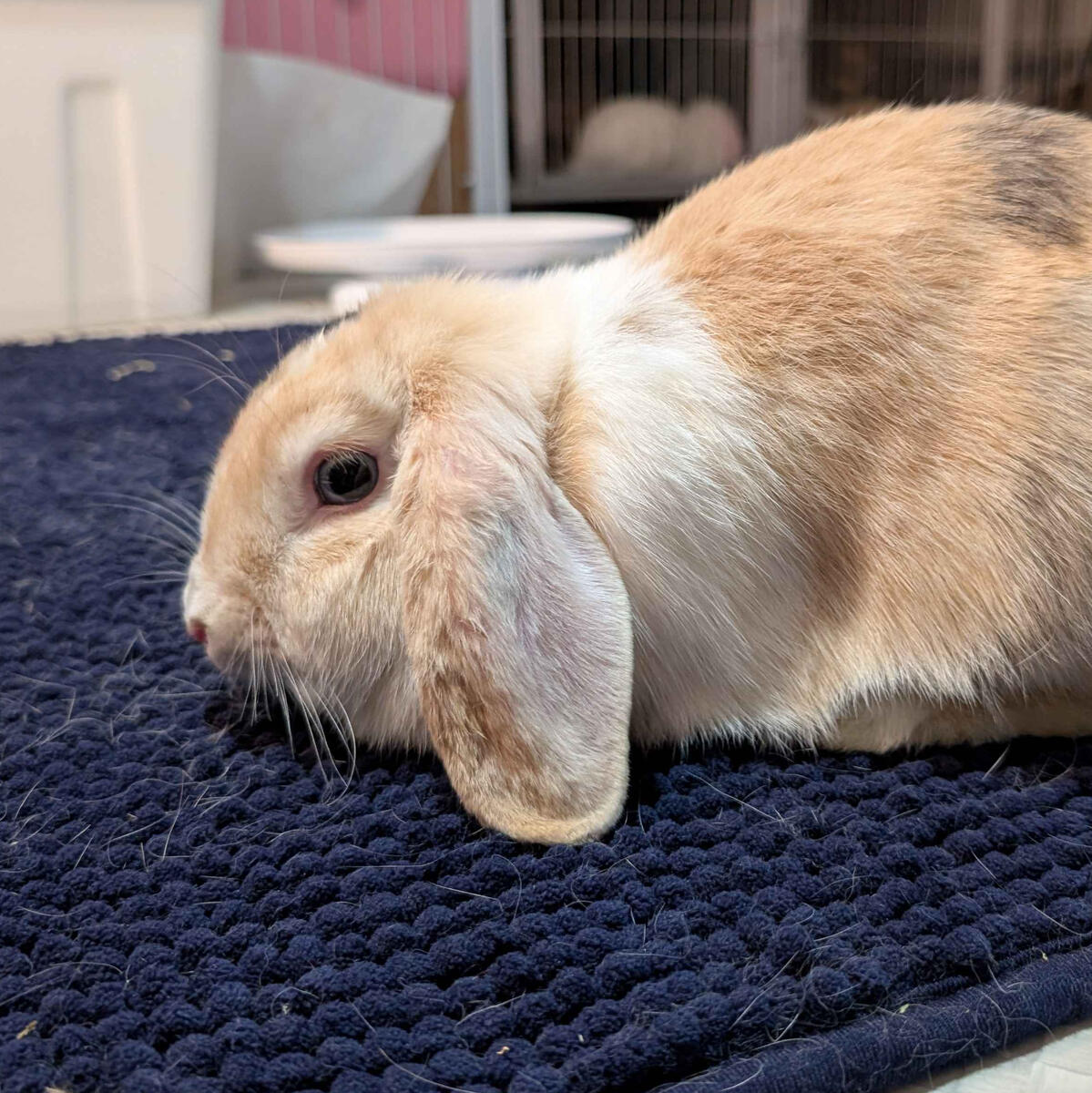
Vienna Orange
Miniature Lop
Power - #3002
Vienna-Marked Fawn
Miniature Lop
Denji - #3003
Vienna Cream
Miniature Lop
Maomao - #3009
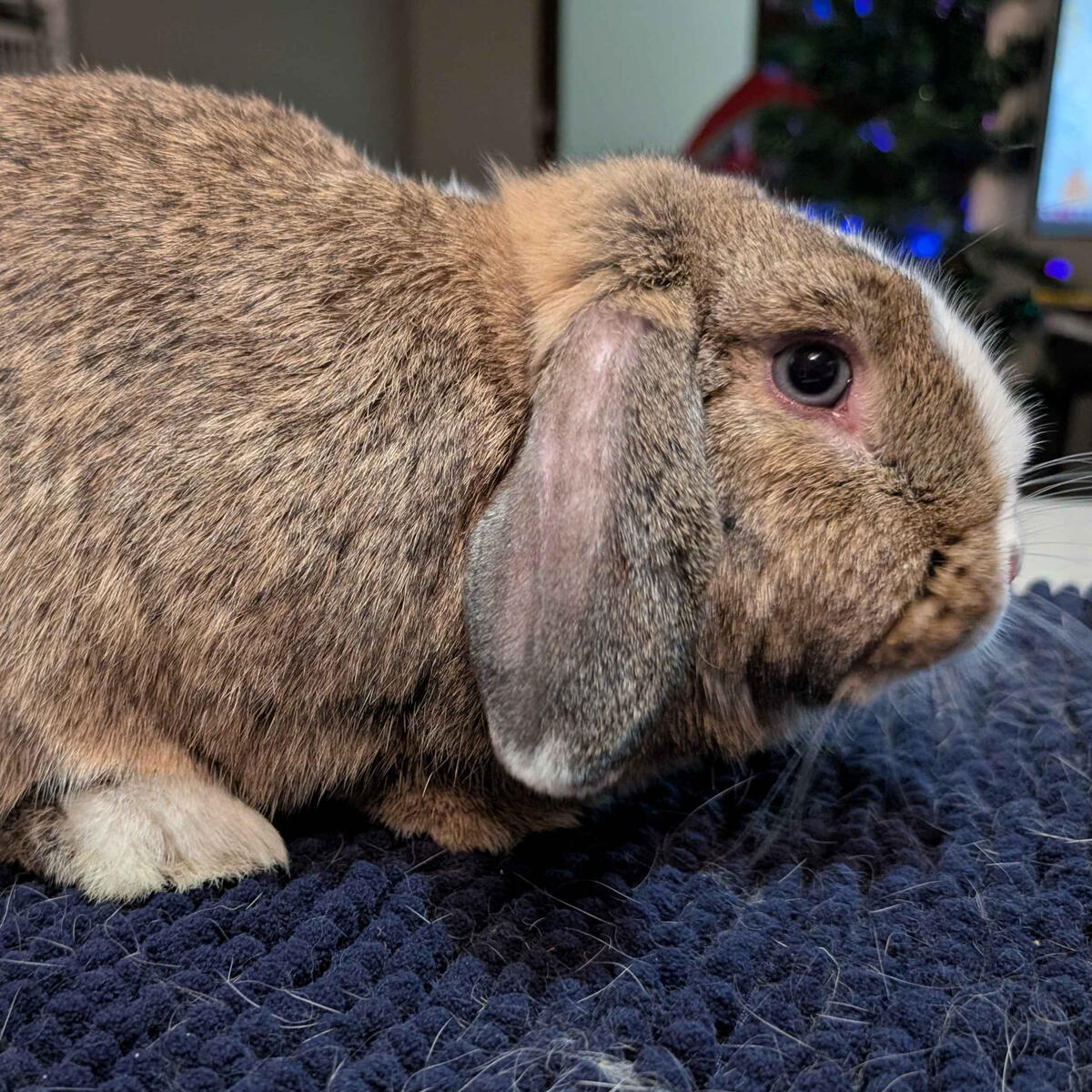
Vienna-Marked Sooty Fawn
Miniature Lop
Bunbun - #3011
Blue-Eyed White
Miniature Lop
Léa - #3013
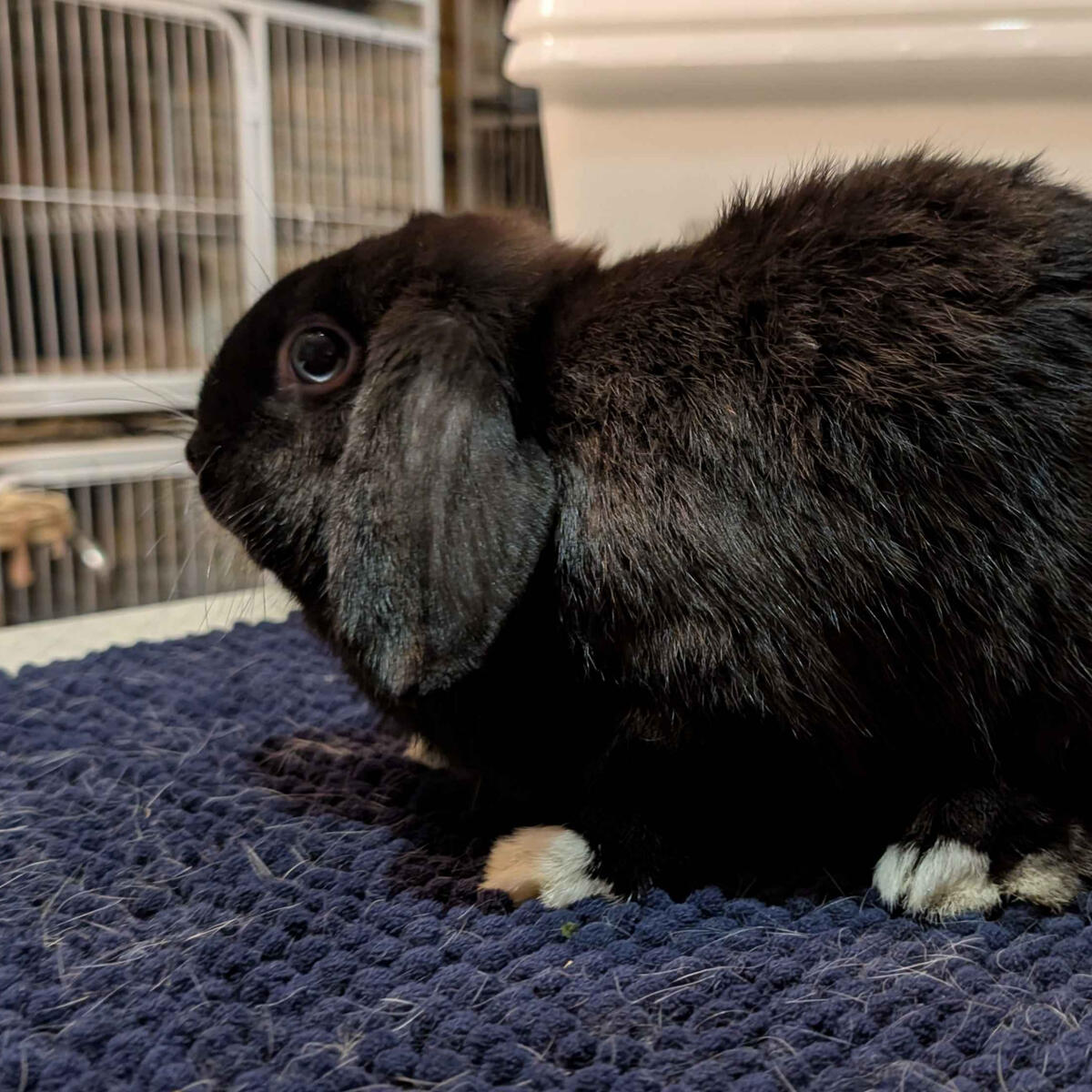
Vienna Black Self
Miniature Lop
El - #3014
Vienna Chestnut
Miniature Lop
Nico - #3015
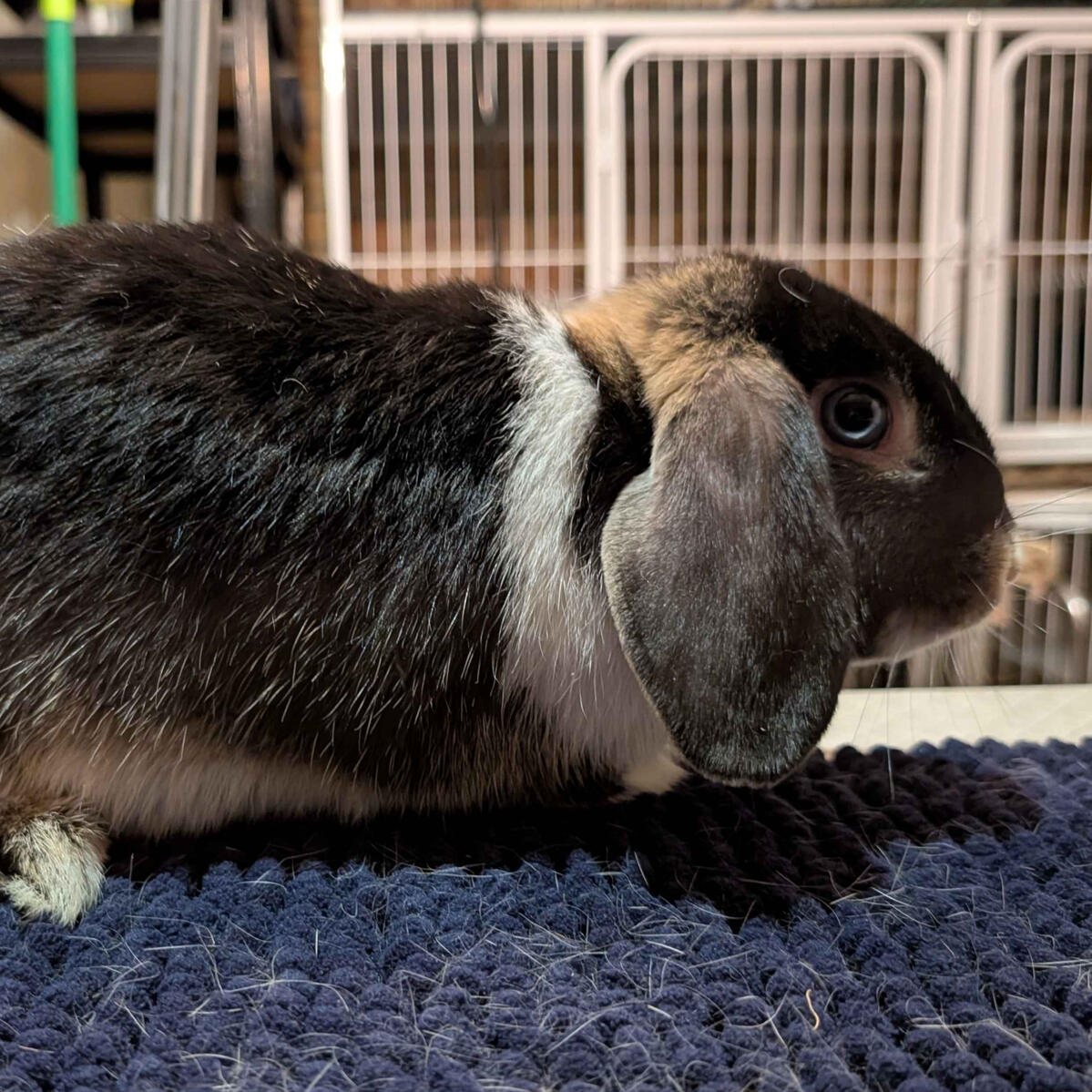
Vienna Black Otter
Miniature Lop
Lori - #3016
Vienna Black Harlequin
Miniature Lop
Xiao - #3010
Vienna Frost Point
Miniature Lop
Sasha - #2020
Sooty Fawn
Miniature Lop
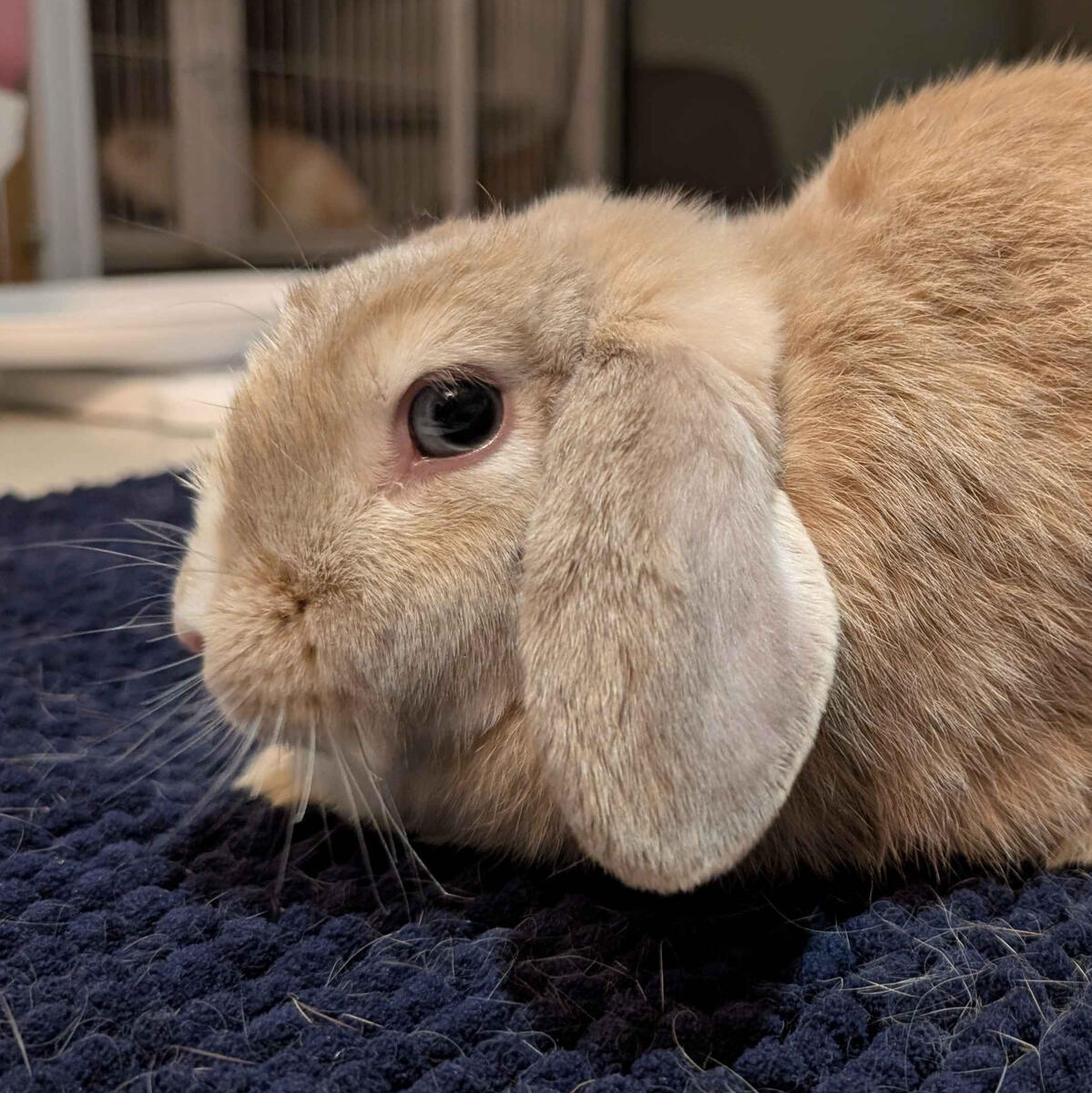
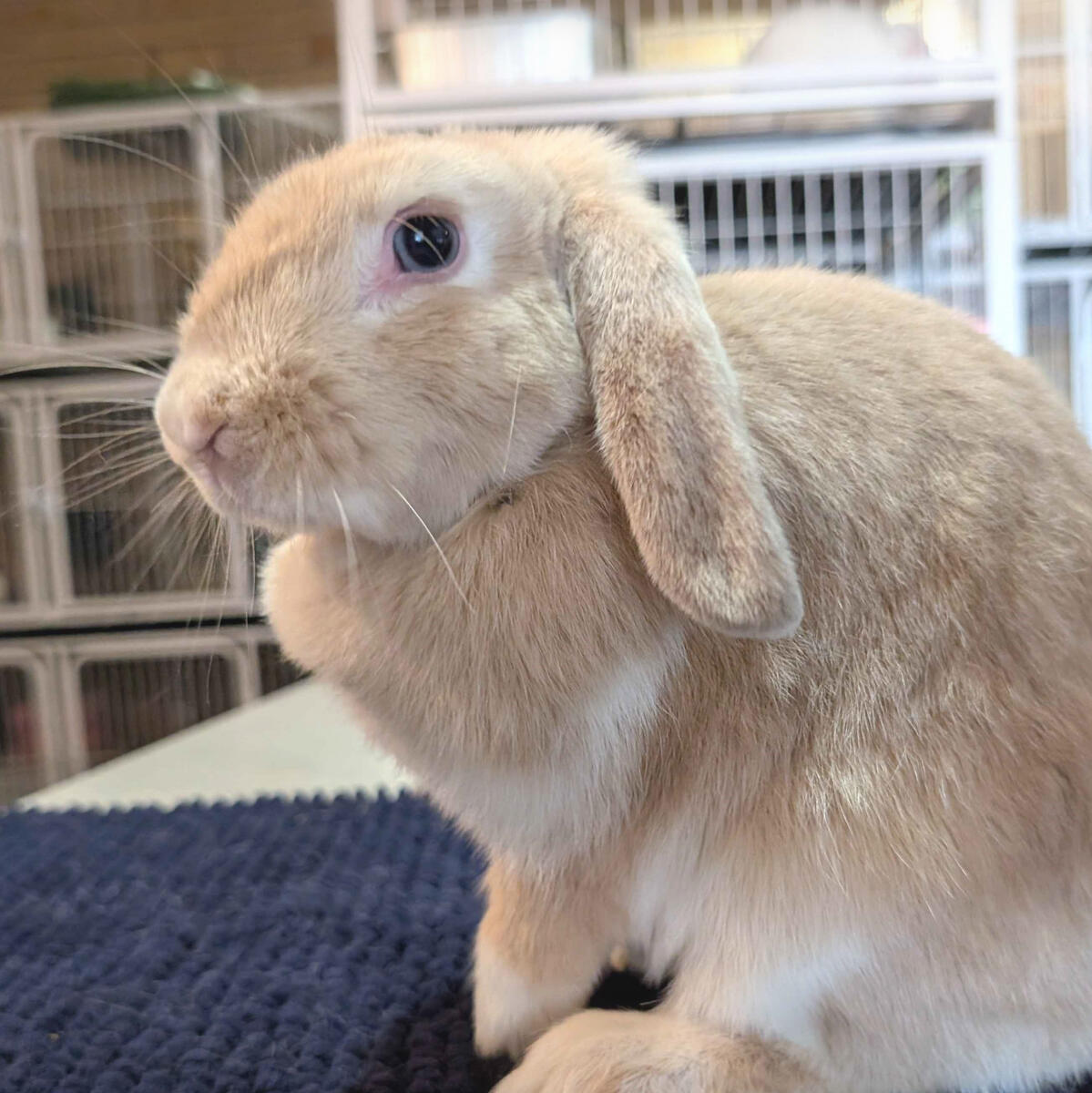
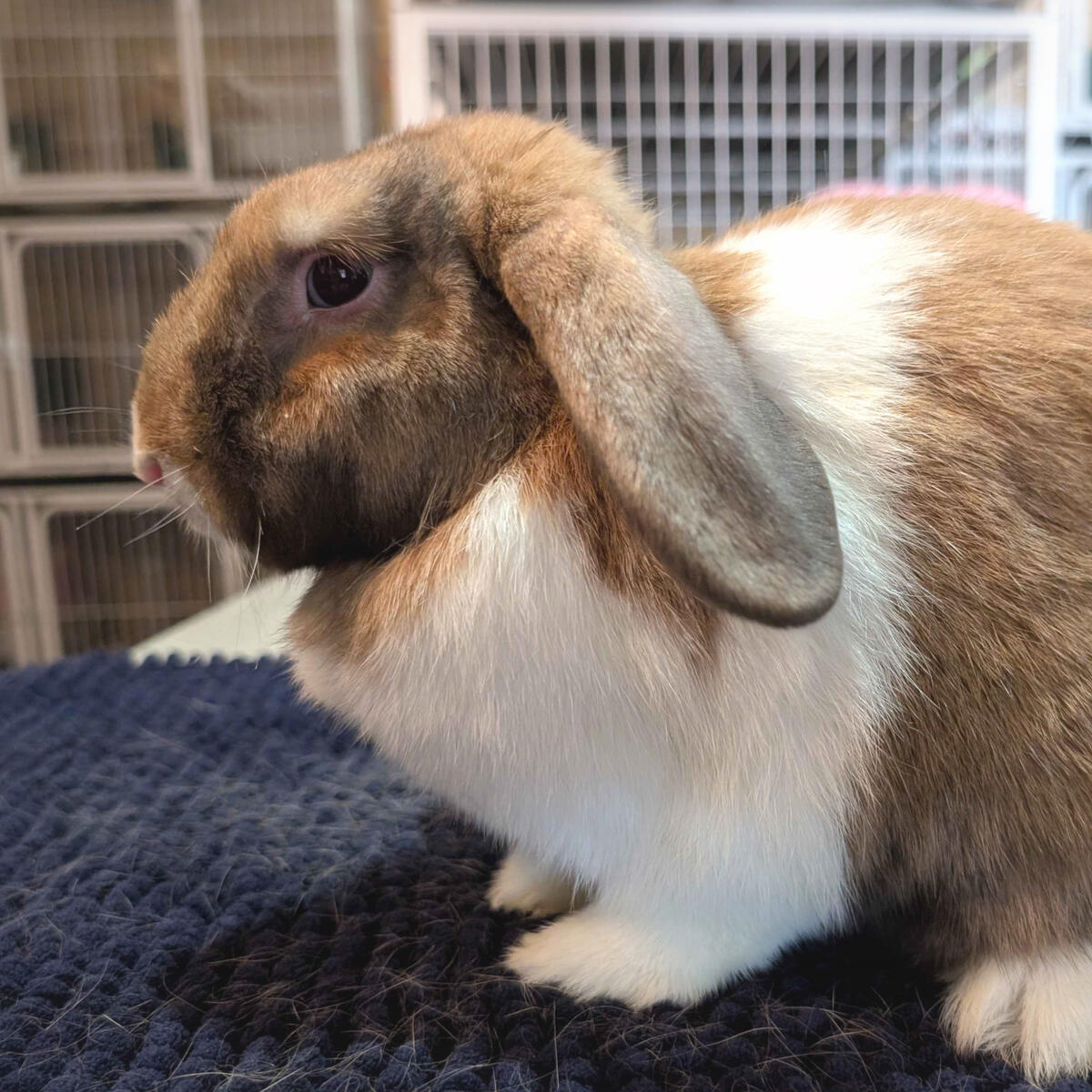
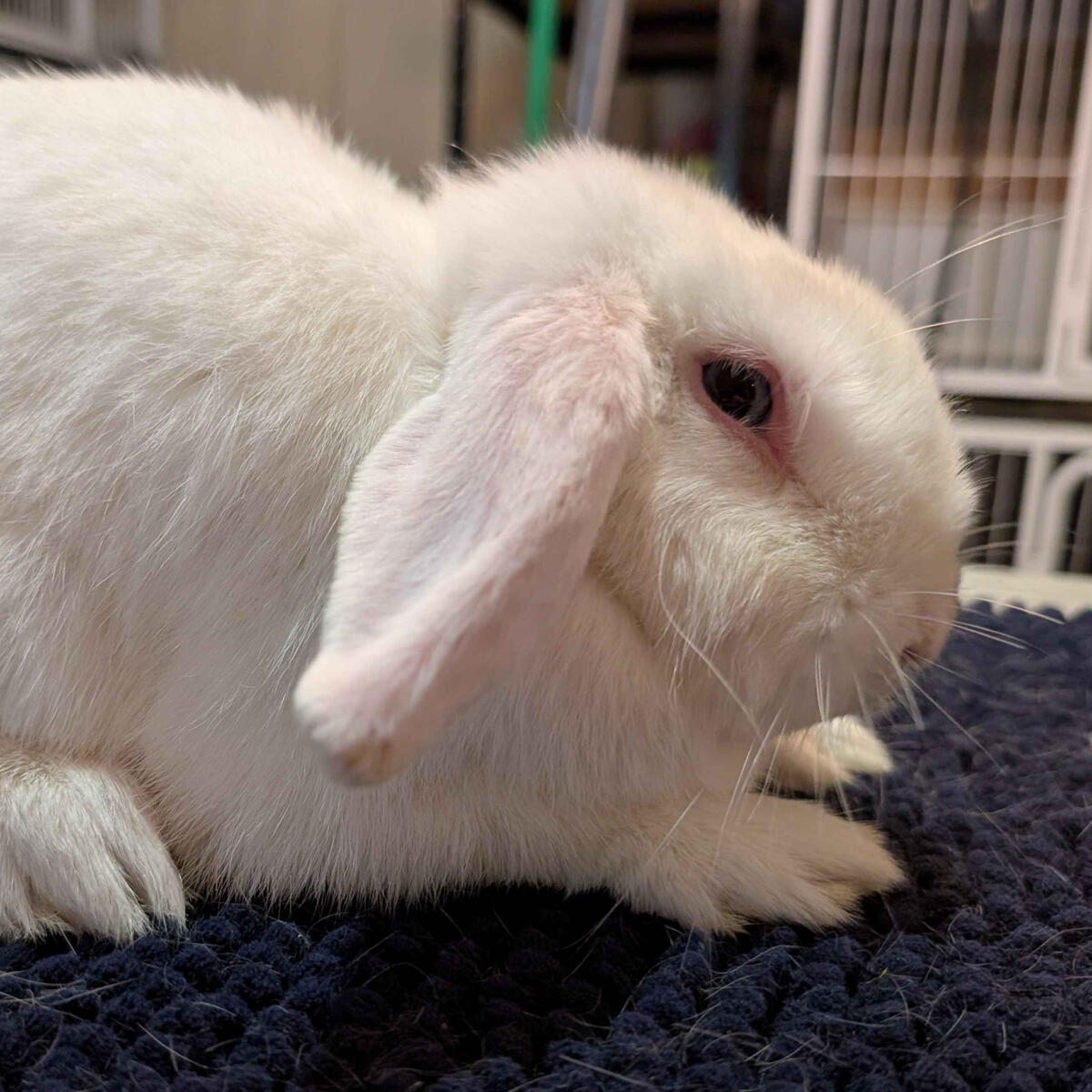
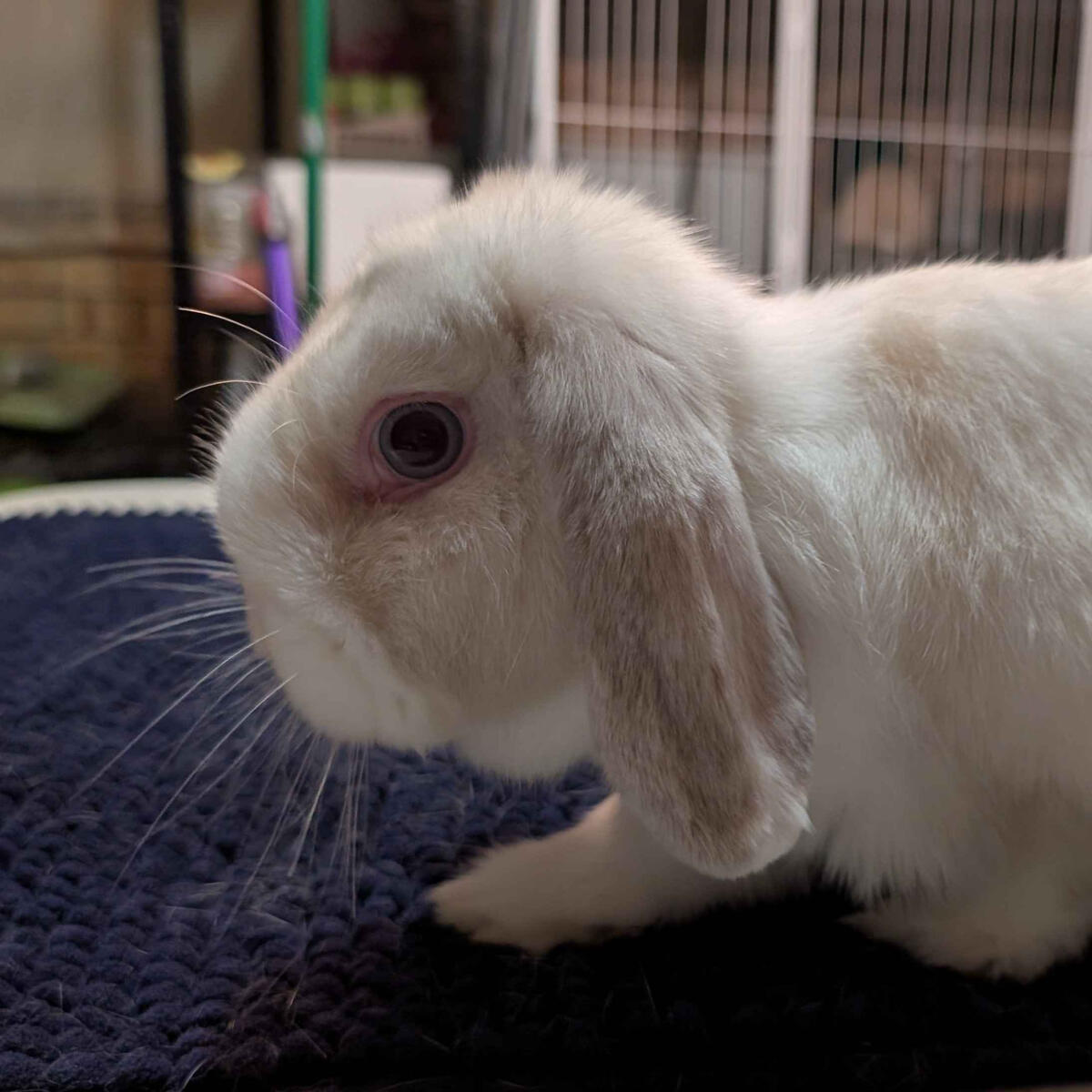
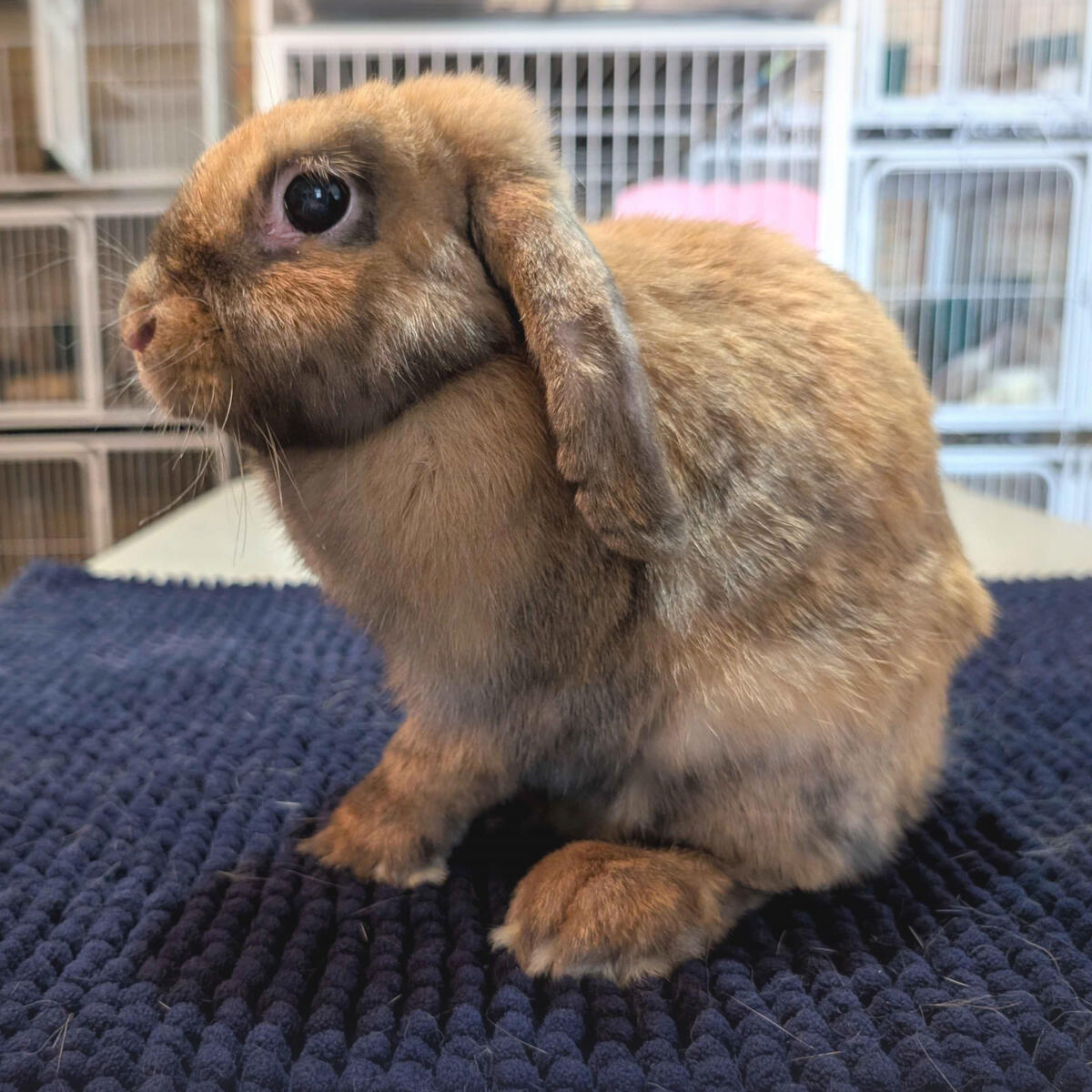
British Giant

Nelluru - #7001
Chinchilla
British Giant
Luna - #7002
Frost Point
British Giant
Mama Quilla - #7003
Frost Point
British Giant
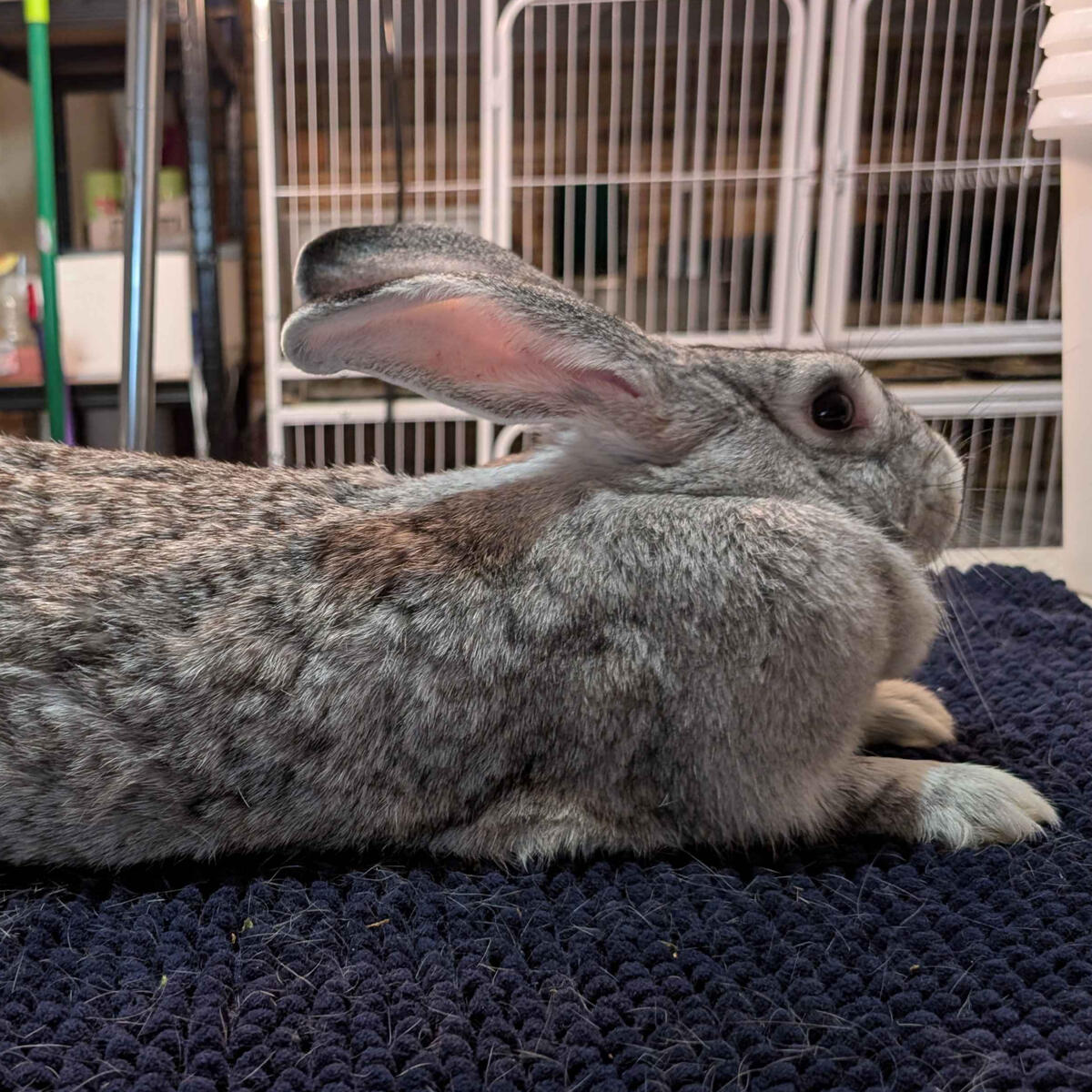
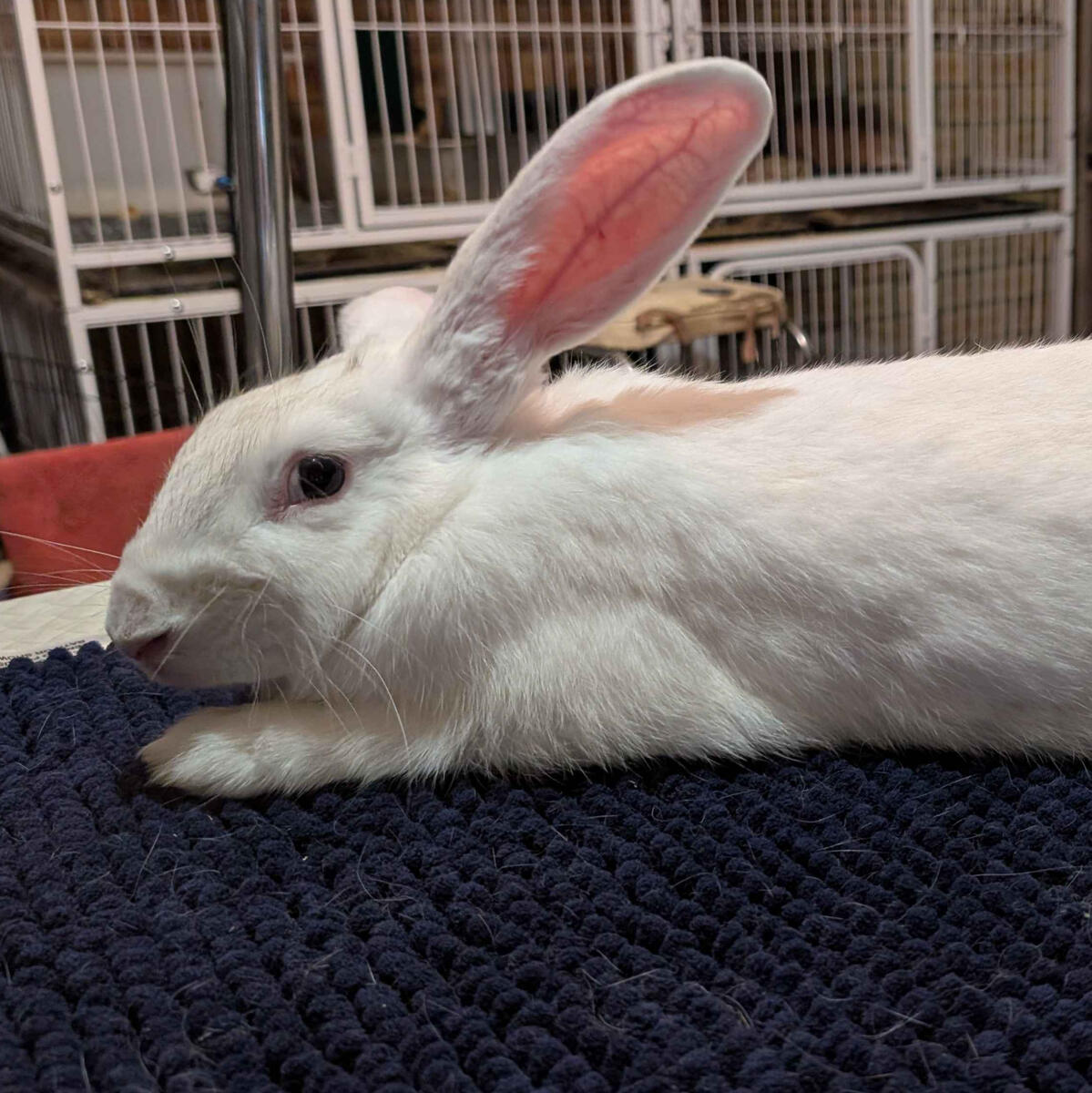
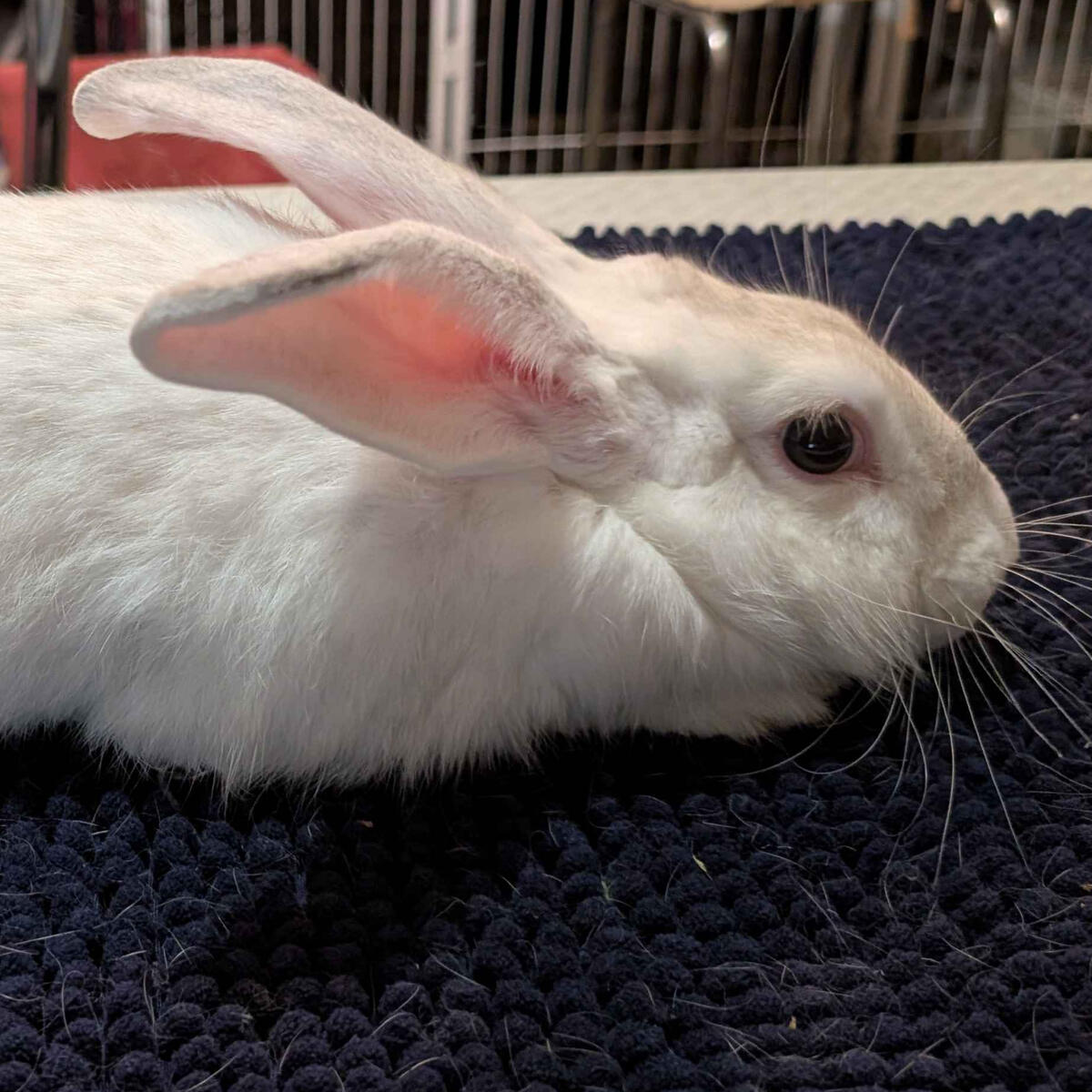
New Zealand

Dotti - #2003
Broken Black
New Zealand
Blue - #2005
Red-Eyed White
New Zealand
Granny - #2006
Chinchilla
New Zealand
Rika - #2007
Magpie
New Zealand X
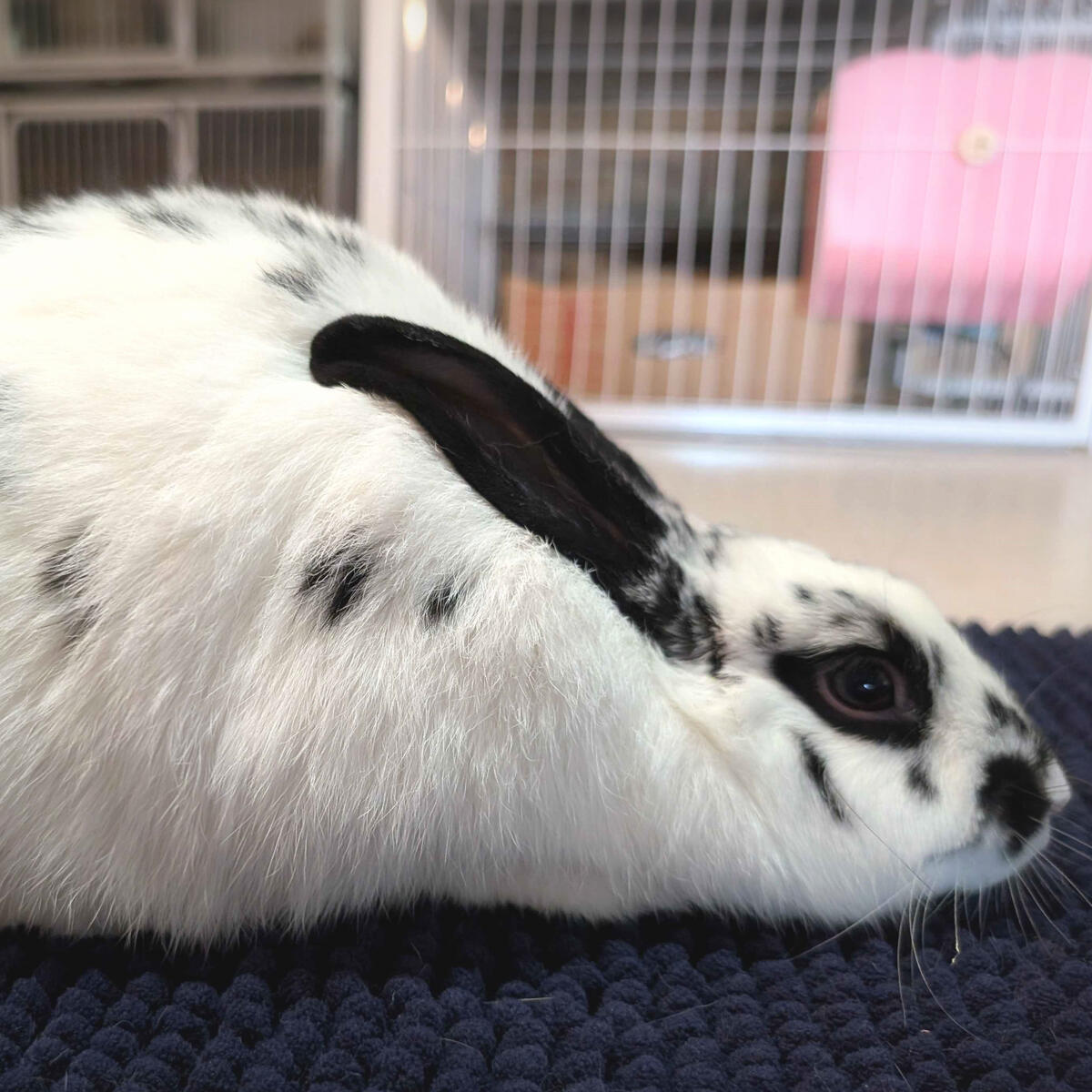
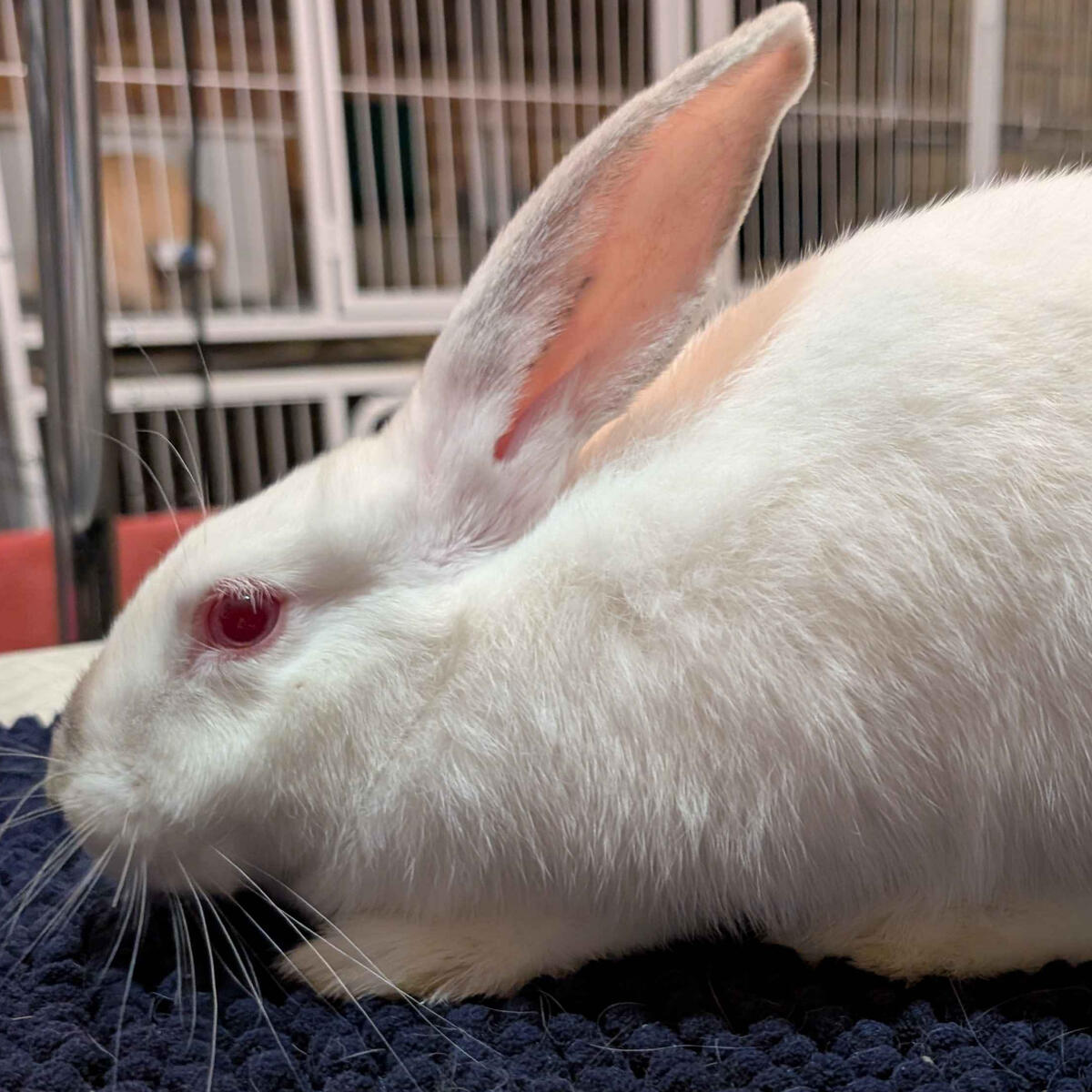
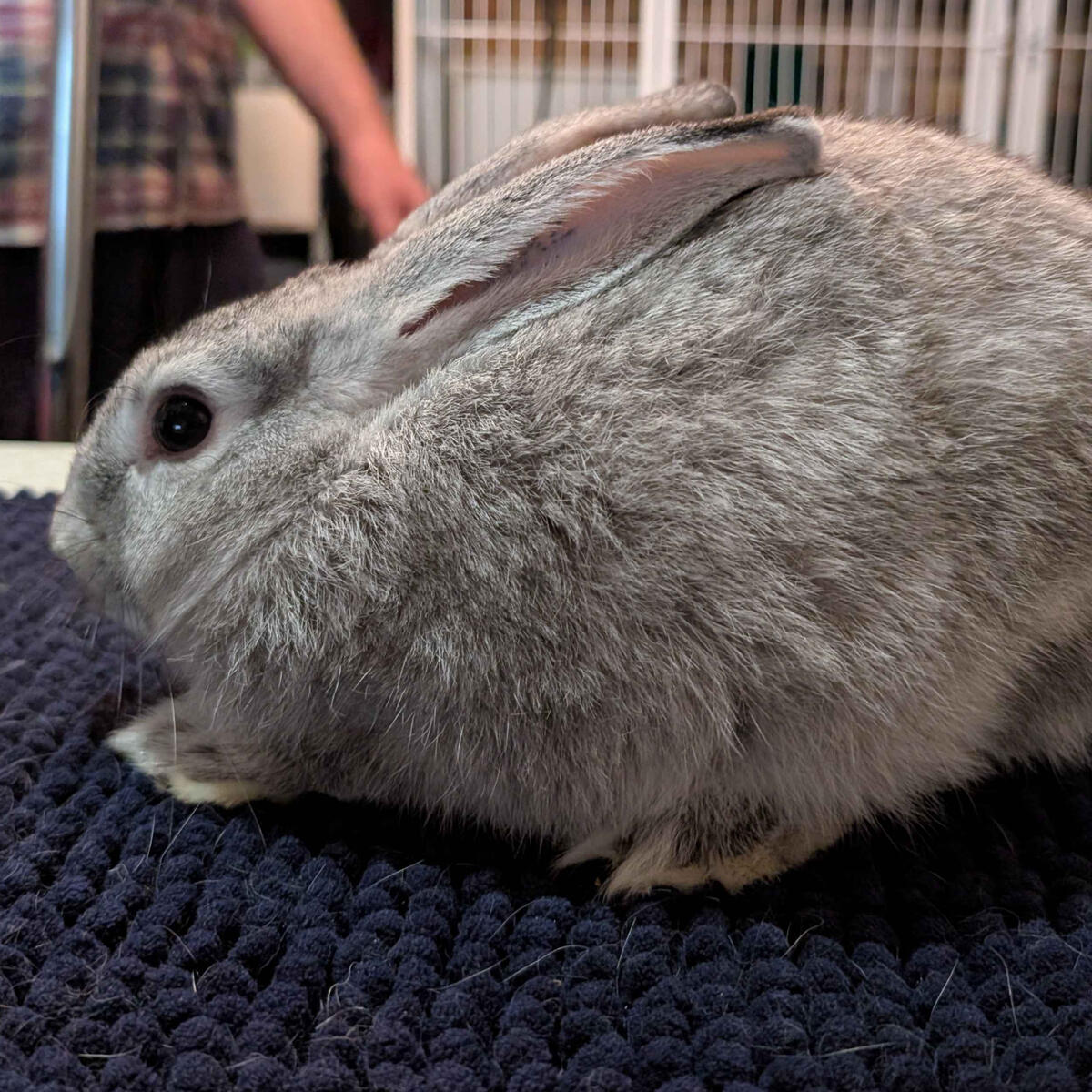
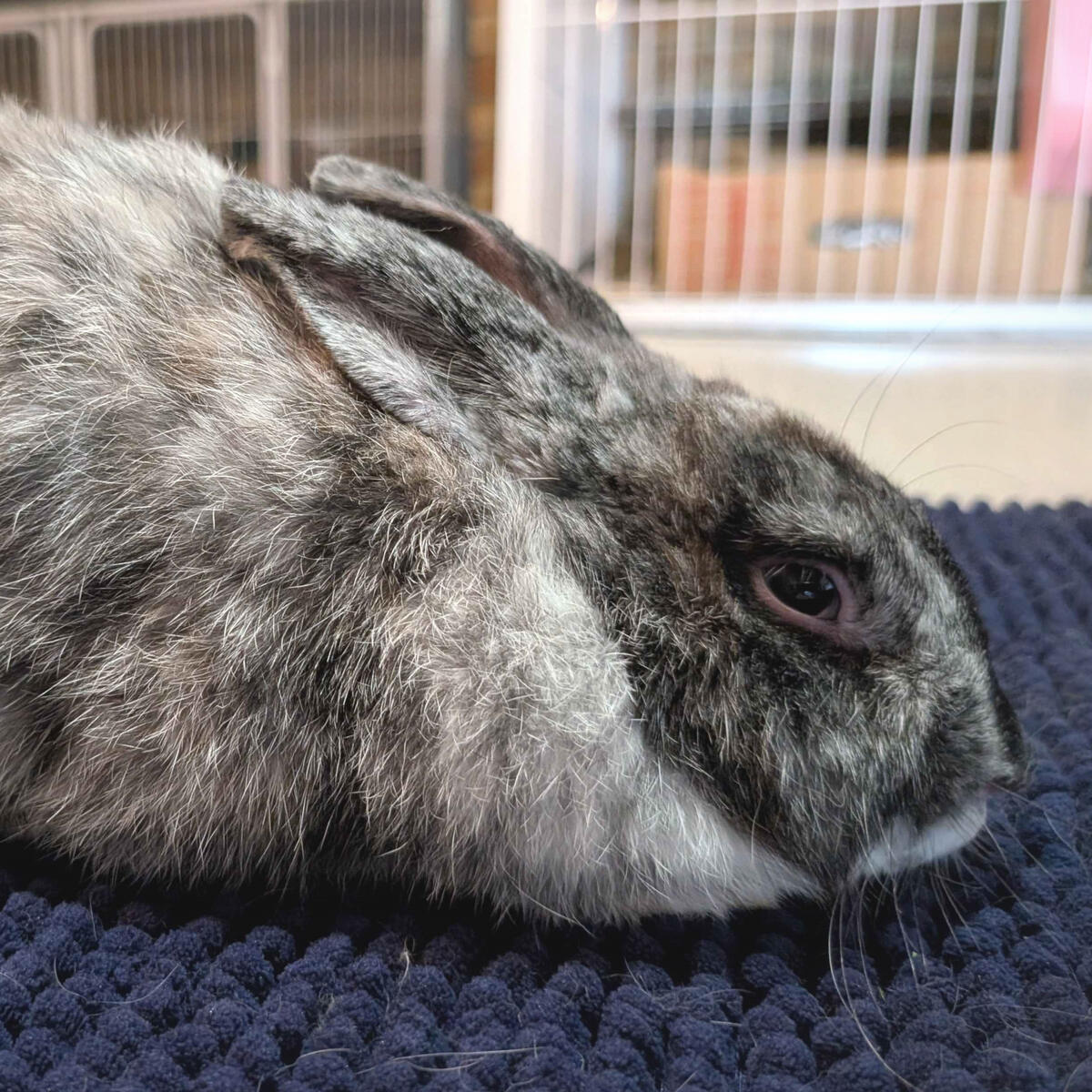
Velveteen Lop

Ewe - #9002
Rew-Eyed White
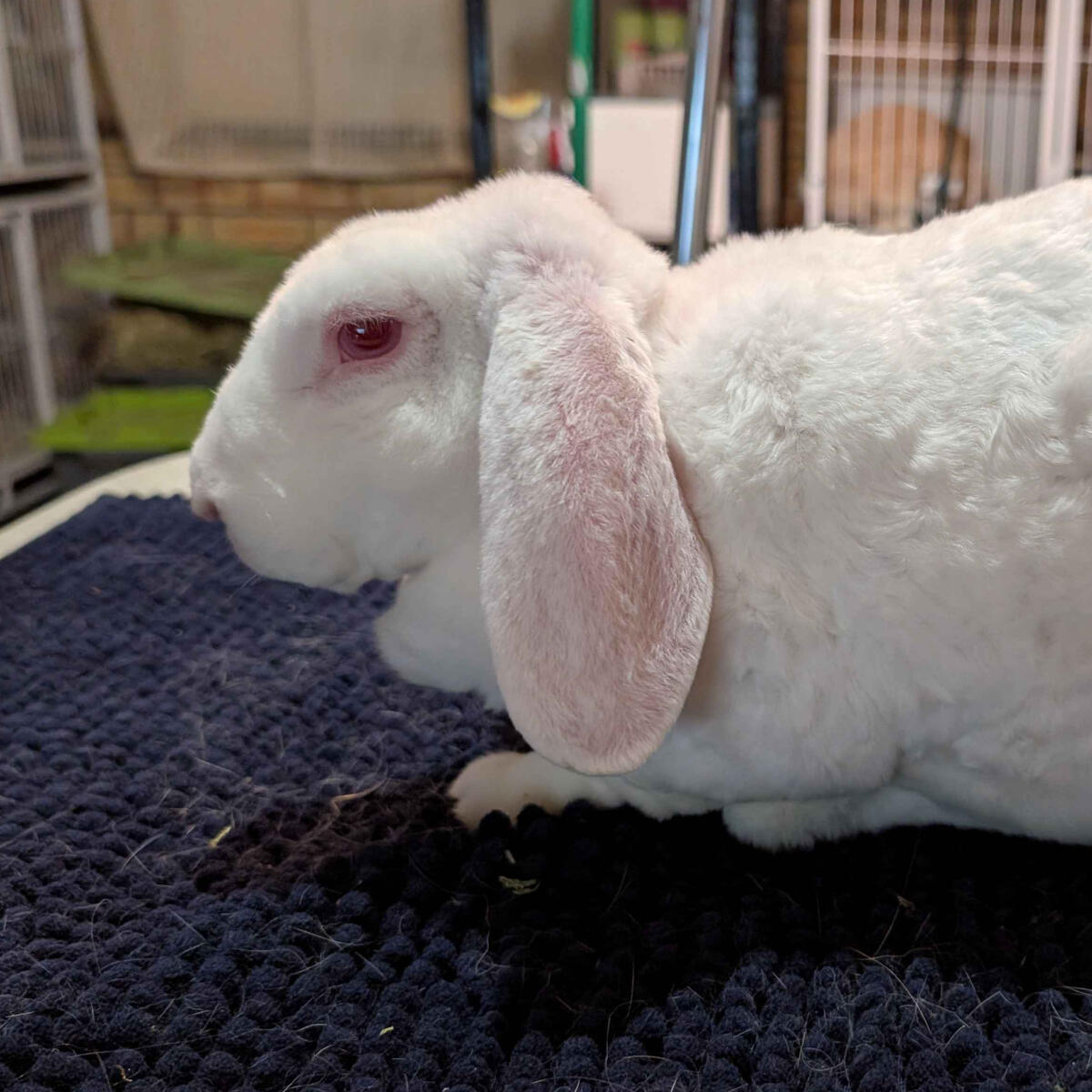
Velveteen Lop
Cashmere Lop

Famine - #5002
Vienna-Marked Sooty Fawn
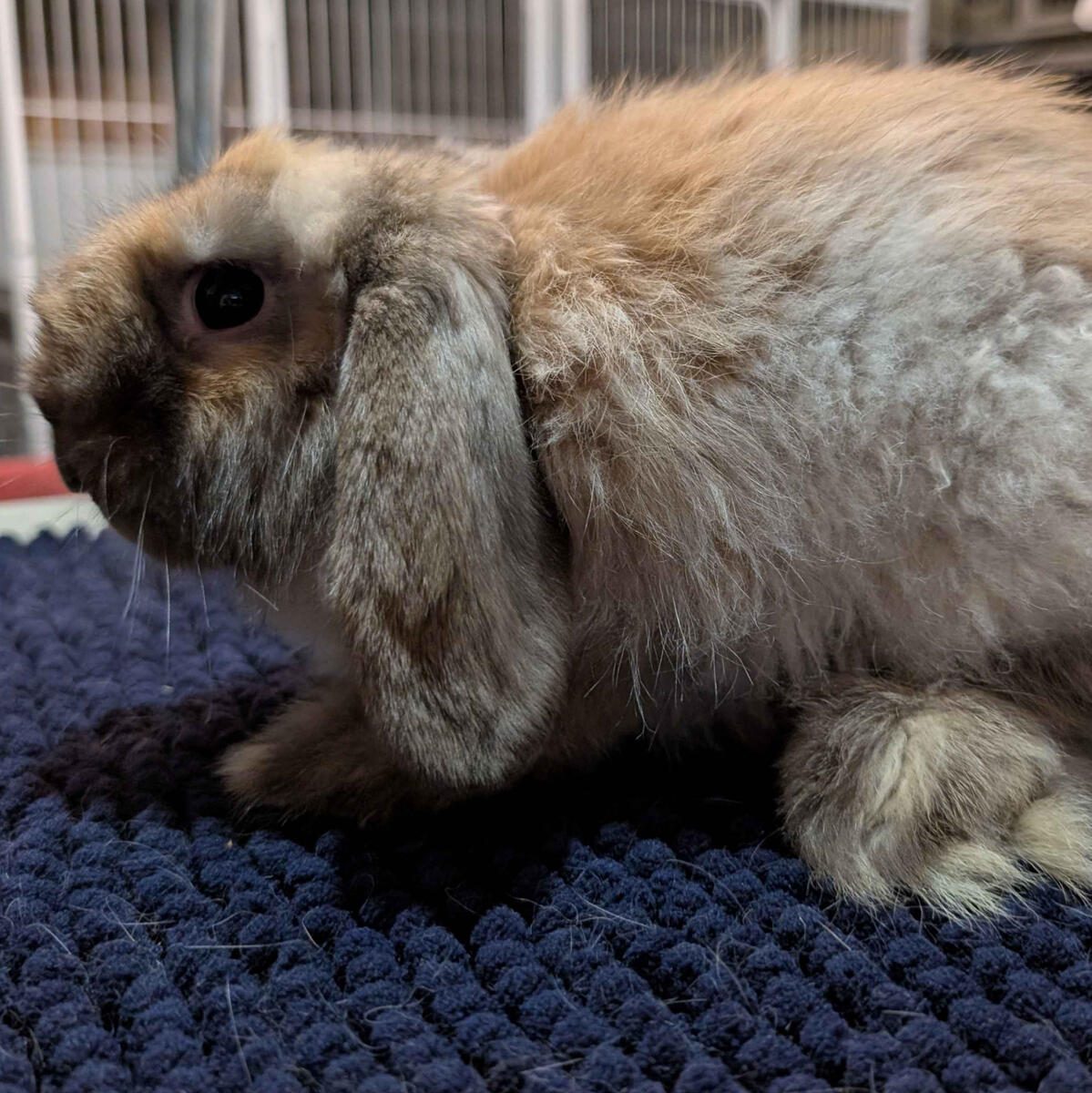
Cashmere Lop
Our Bucks
Miniature Lops

Jiji - #3019
Vienna Chocolate Torted Harlequin
Miniature Lop
Dinner - #3012
Vienna Black Magpie
Miniature Lop
Wudu - #3021
Vienna Broken Choc
Miniature Lop
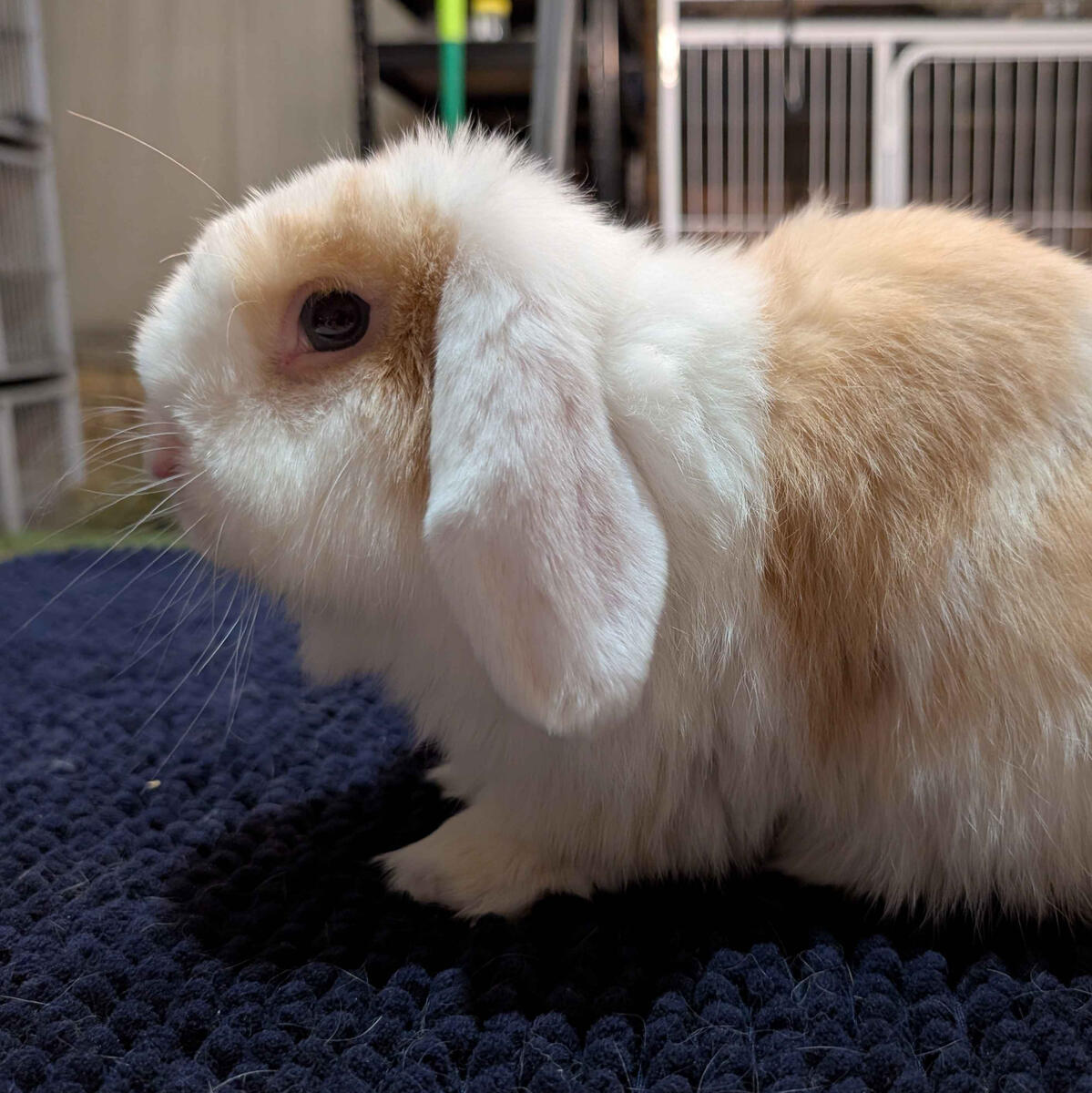
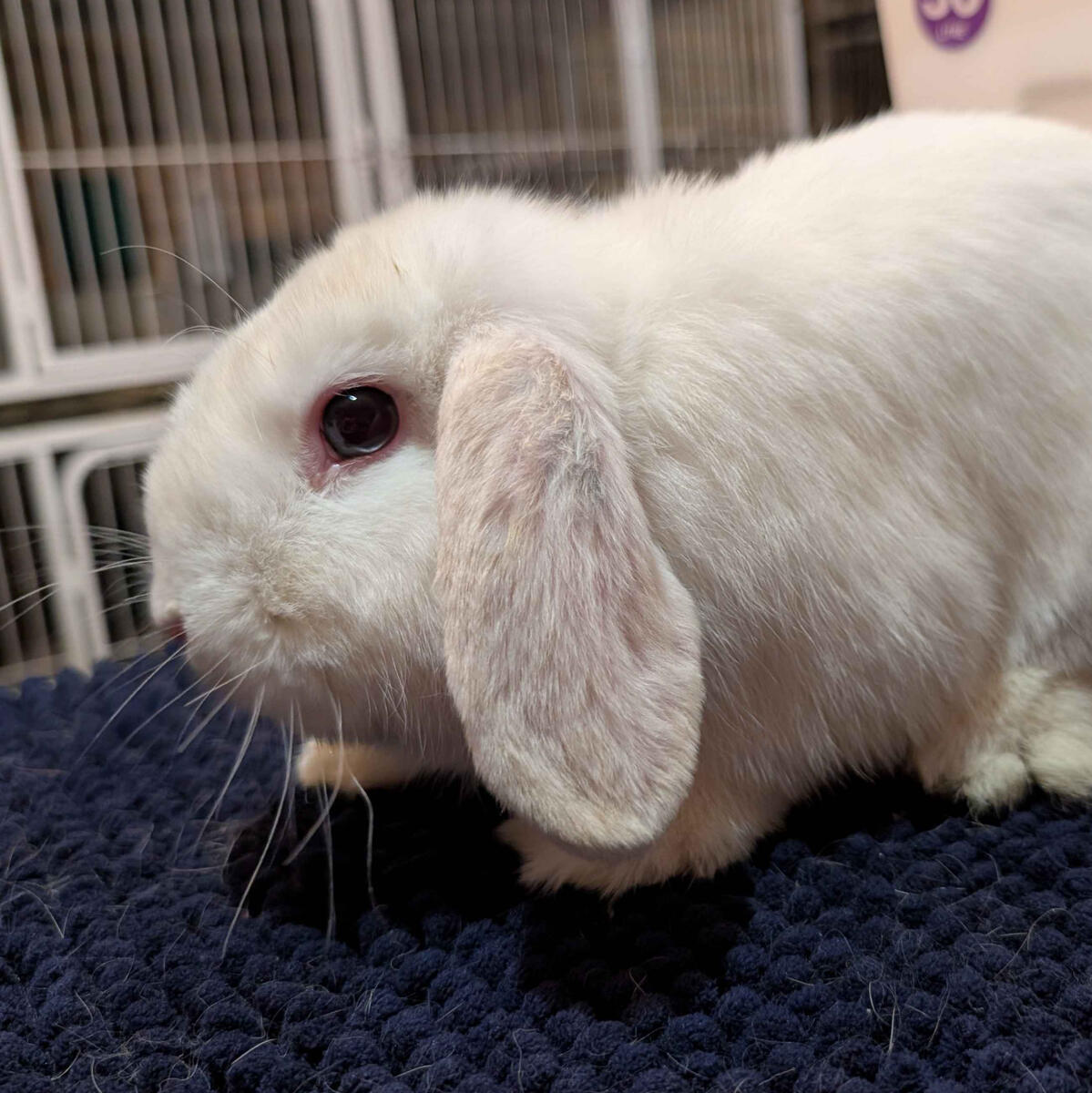
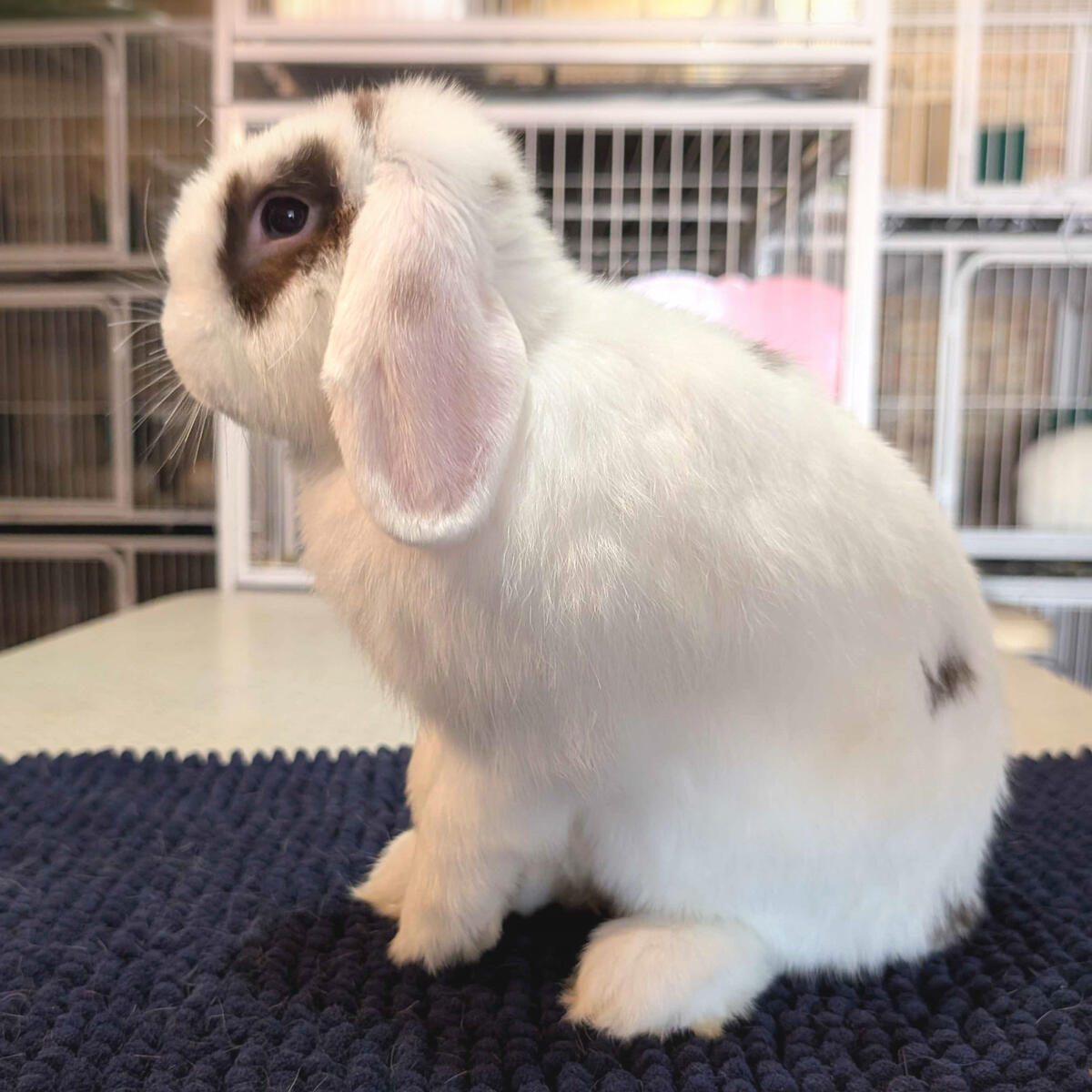
Velveteen Lop

Ram - #9001
Rew-Eyed White
Velveteen Lop
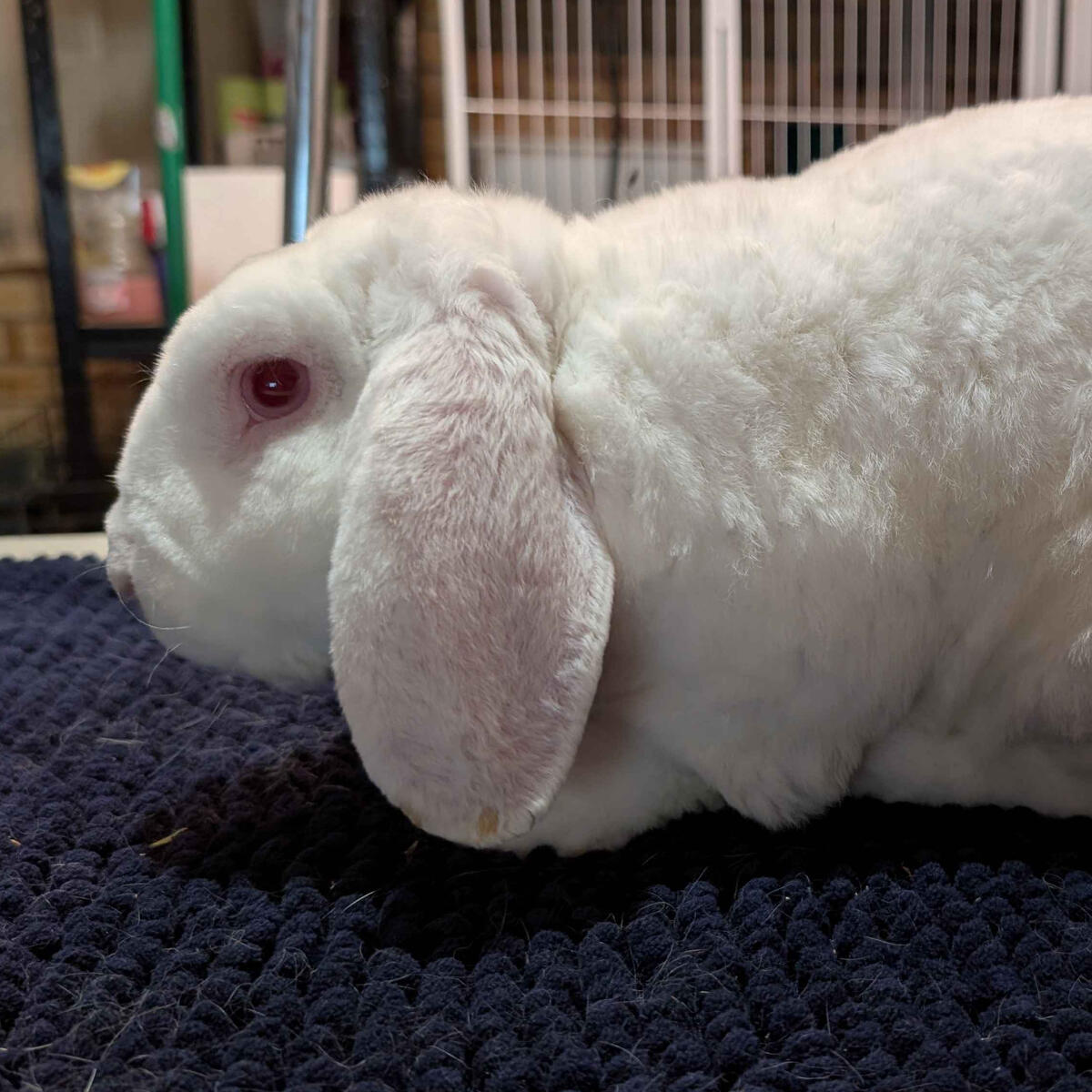
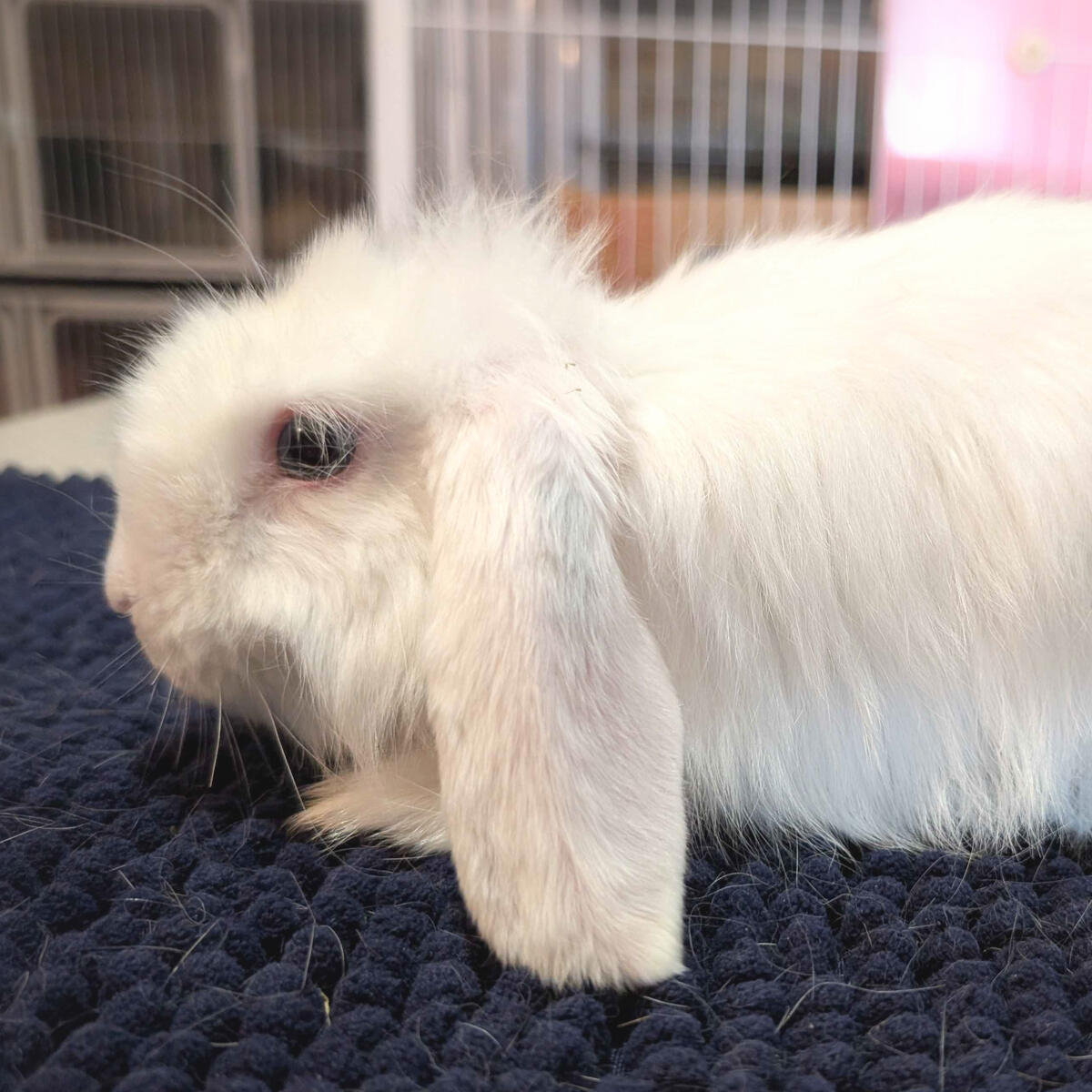
Cashmere Lop

War - #5001
Blue-Eyed White
Cashmere Lop
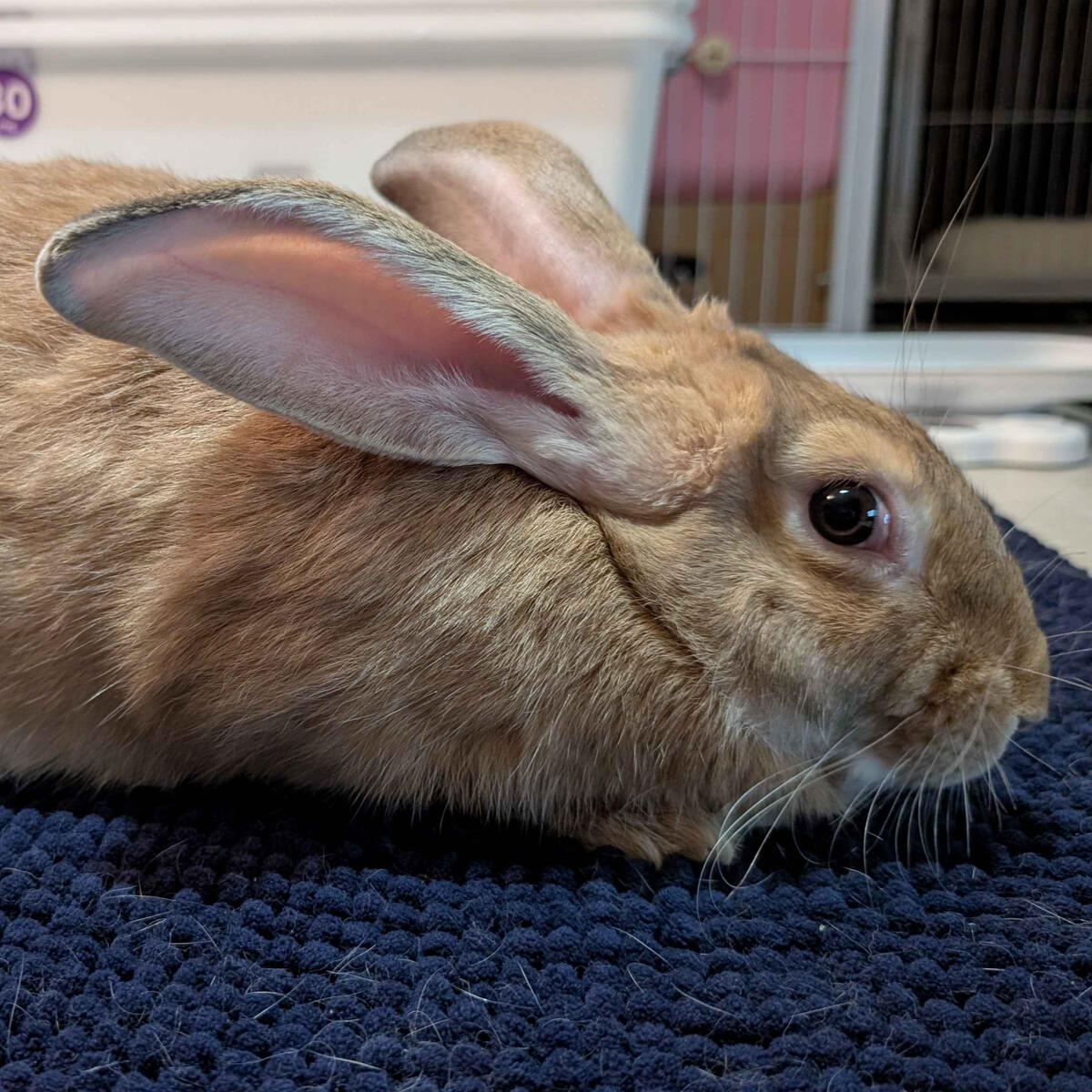
British Giant

Khonsu - #7004
Orange
British Giant
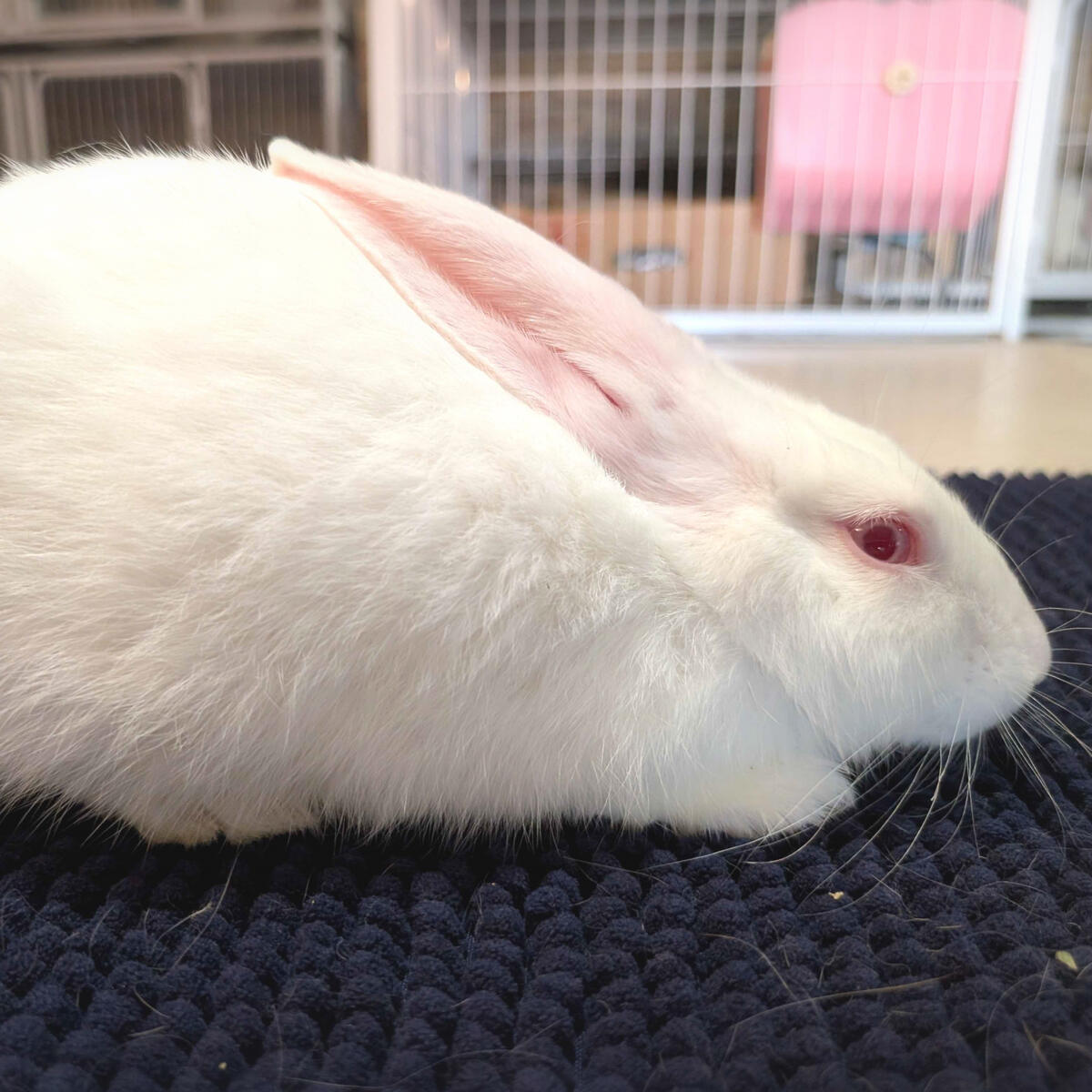
New Zealand

Bink - #2004
Red-Eyed White
New Zealand
Our Kits
Last Updated: 15th February 2026

None Currently Available

My rabbit isn't here?
Don't stress! We always keep track of our kits
If you have previously reserved a rabbit and cannot see them or their litter listed here, that is because we have them marked as reserved for you and don't want to advertise them in case it confuses others! Thank you ♡If no rabbits are listed, or none are what you're looking for, please look at our Upcoming Litters!
Upcoming Litters...
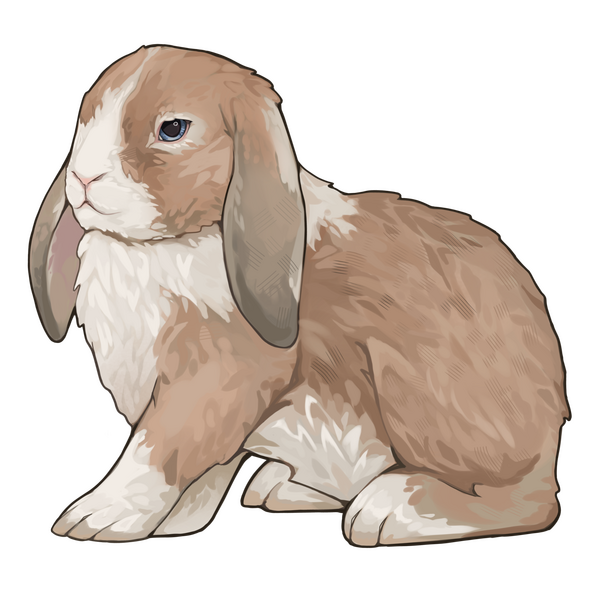
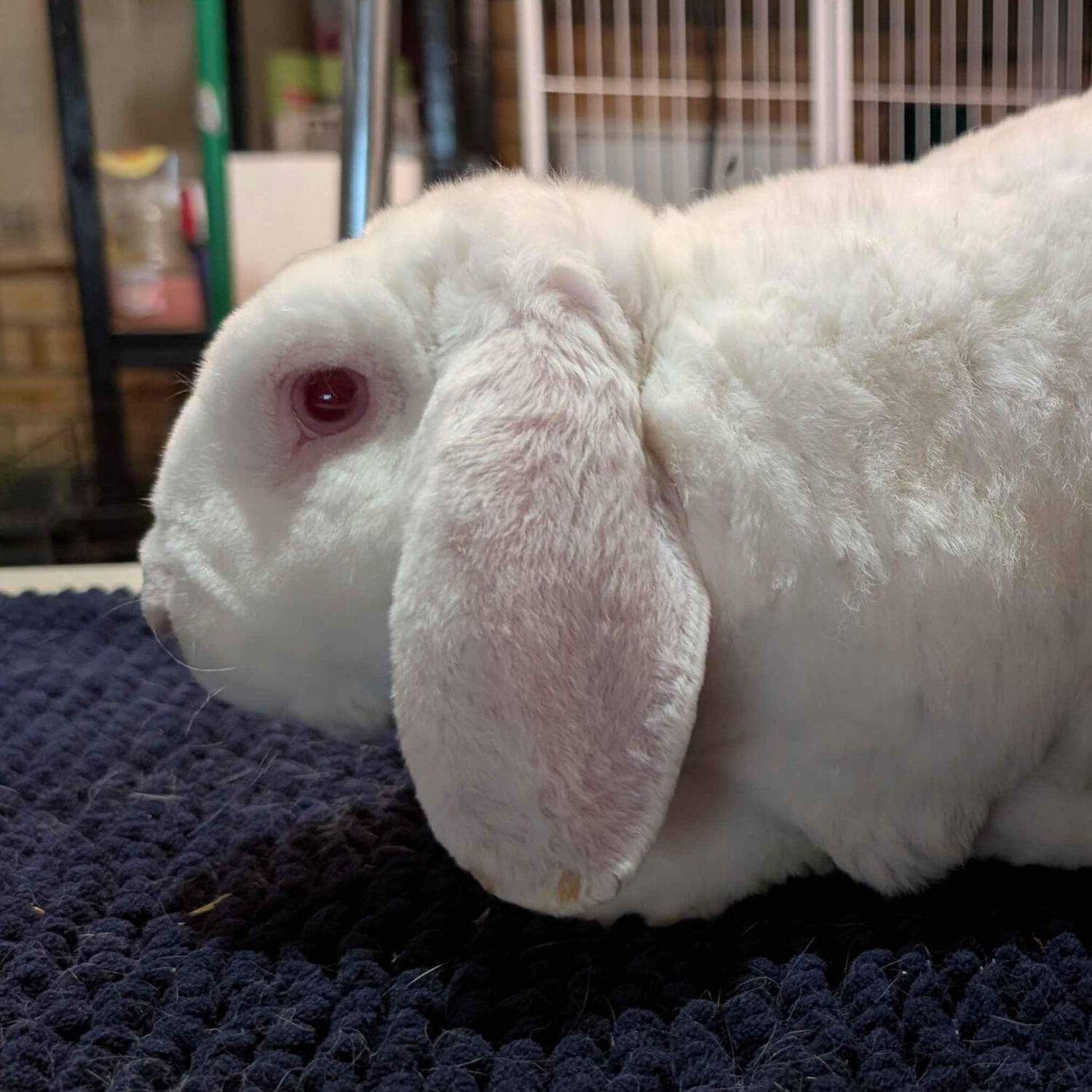
Ram x Denji

Ram - #7005
Rew-Eyed White
Velveteen Lop
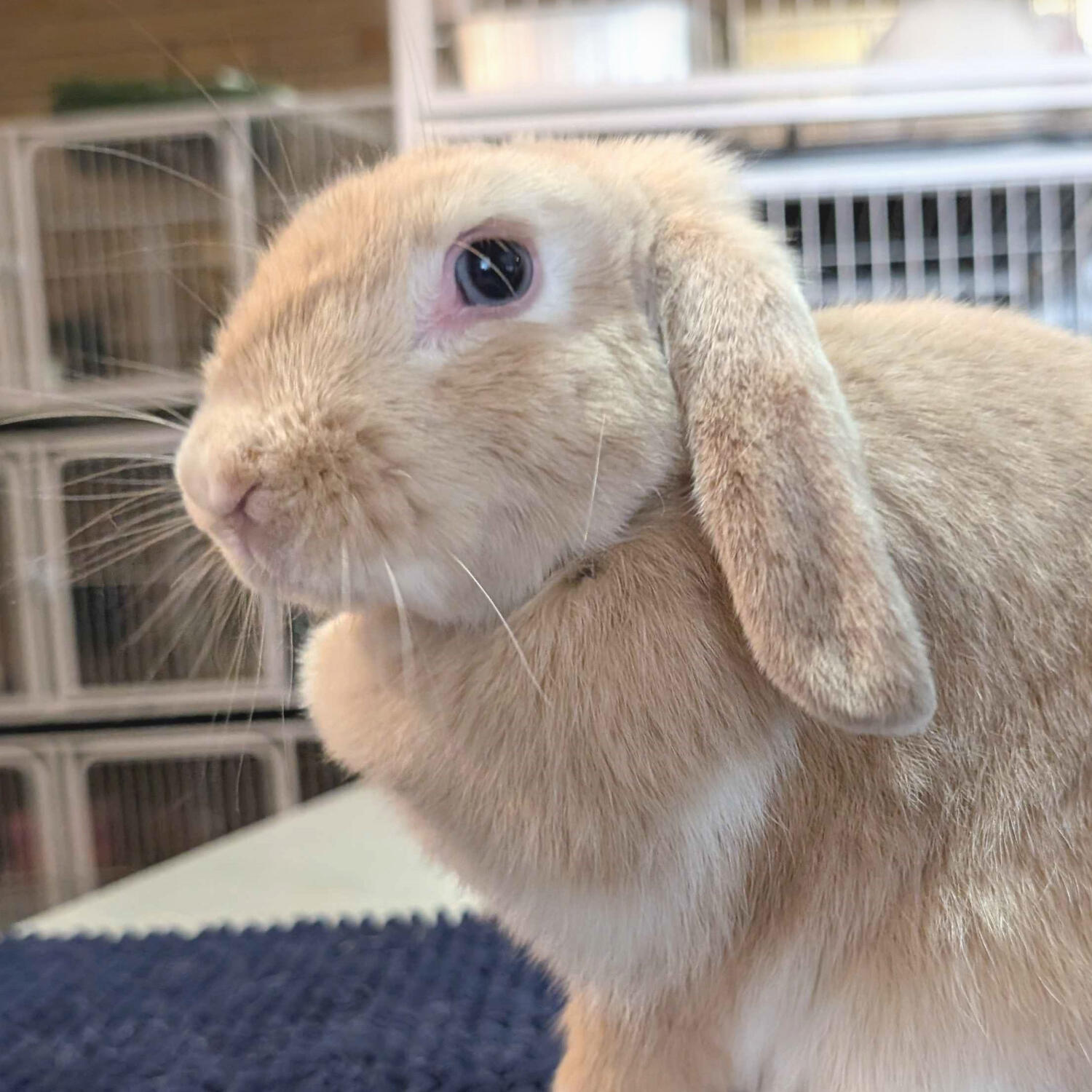
Denji - #3003
Vienna Cream
Miniature Lop
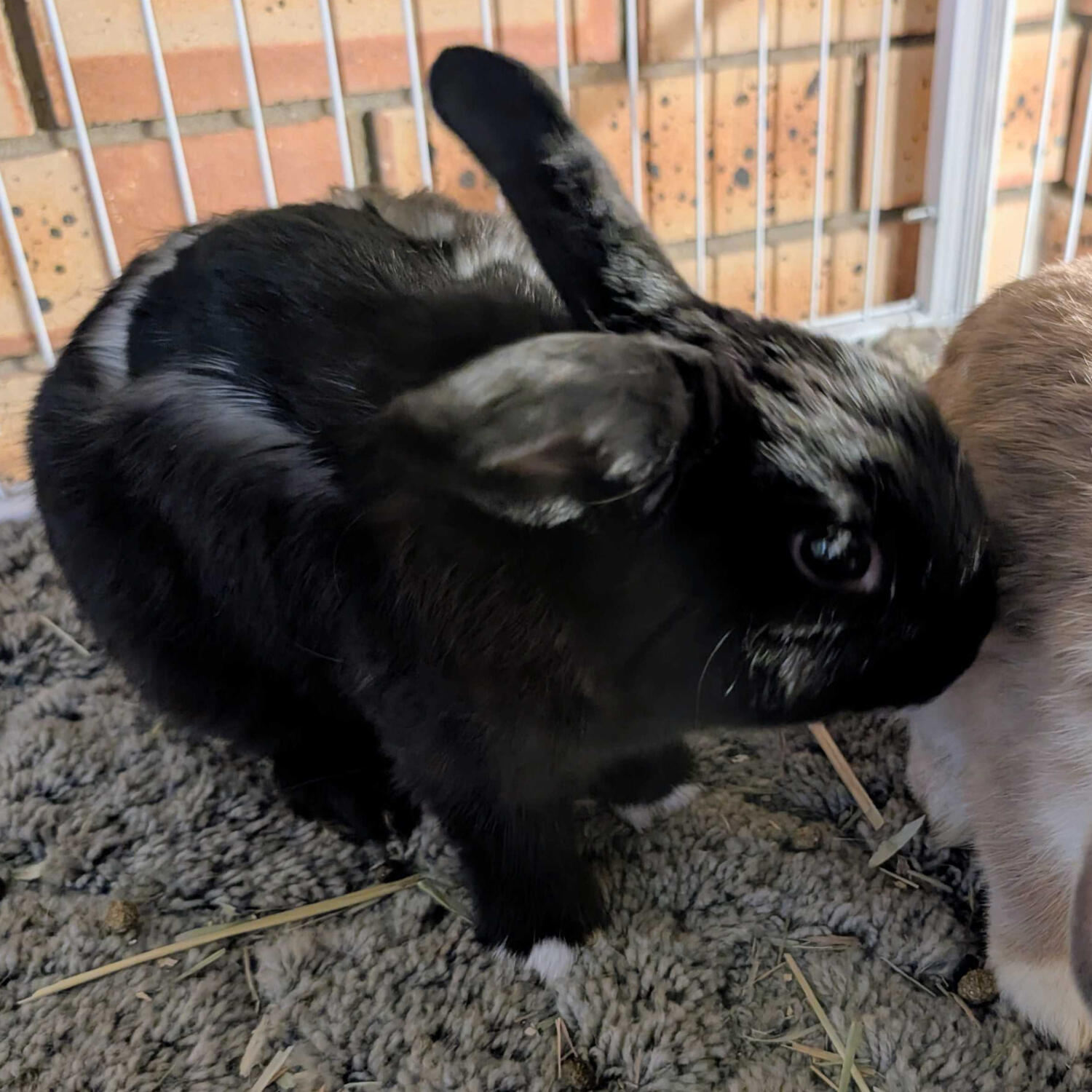
Echo x Dotti

Echo
Vienna-Marked Black
Netherland
Dotti - #2003
Black Self Charlie
New Zealand
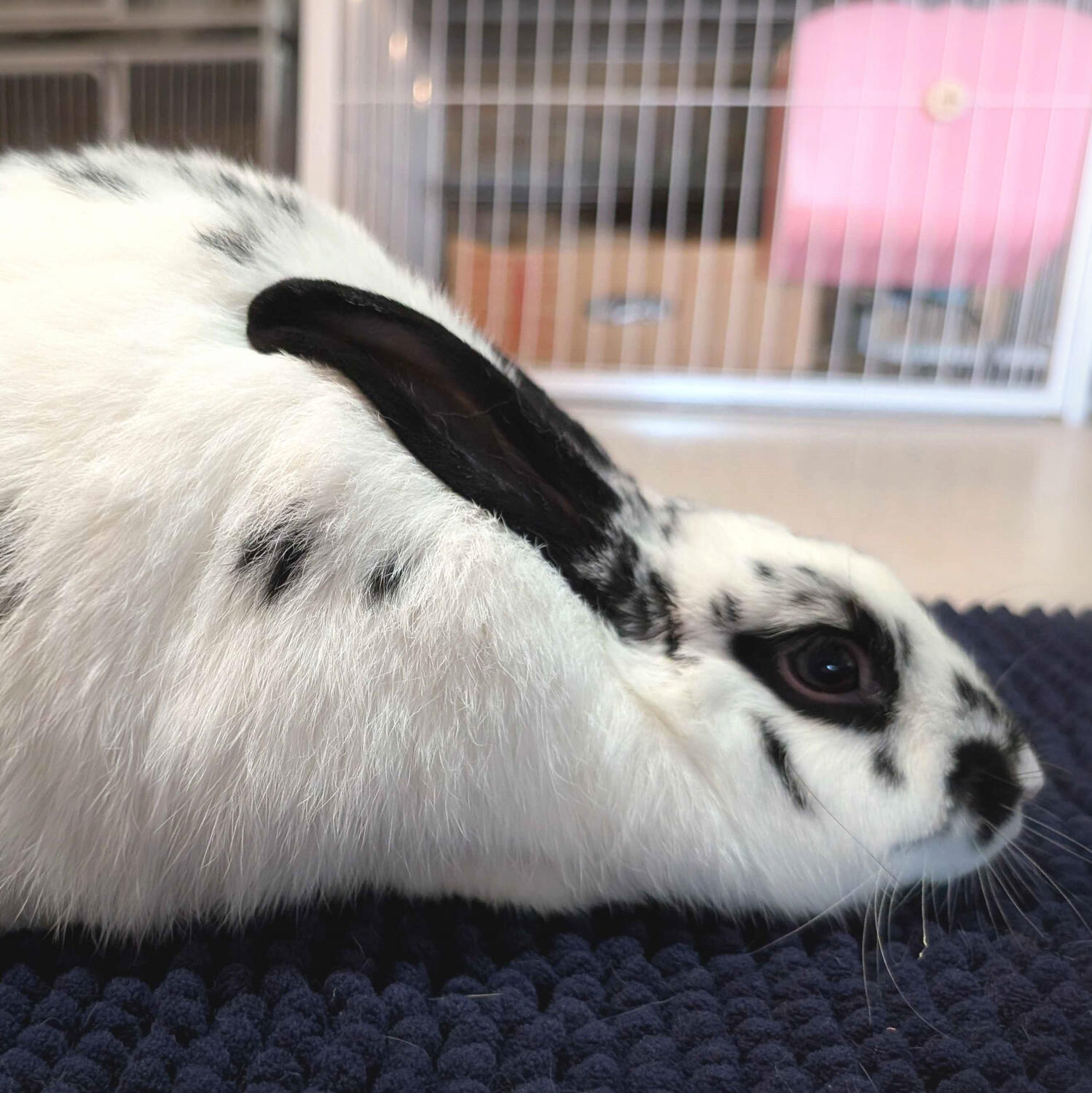
Dinner x Claudia

Dinner - #3012
Vienna Black Magpie
Miniature Lop
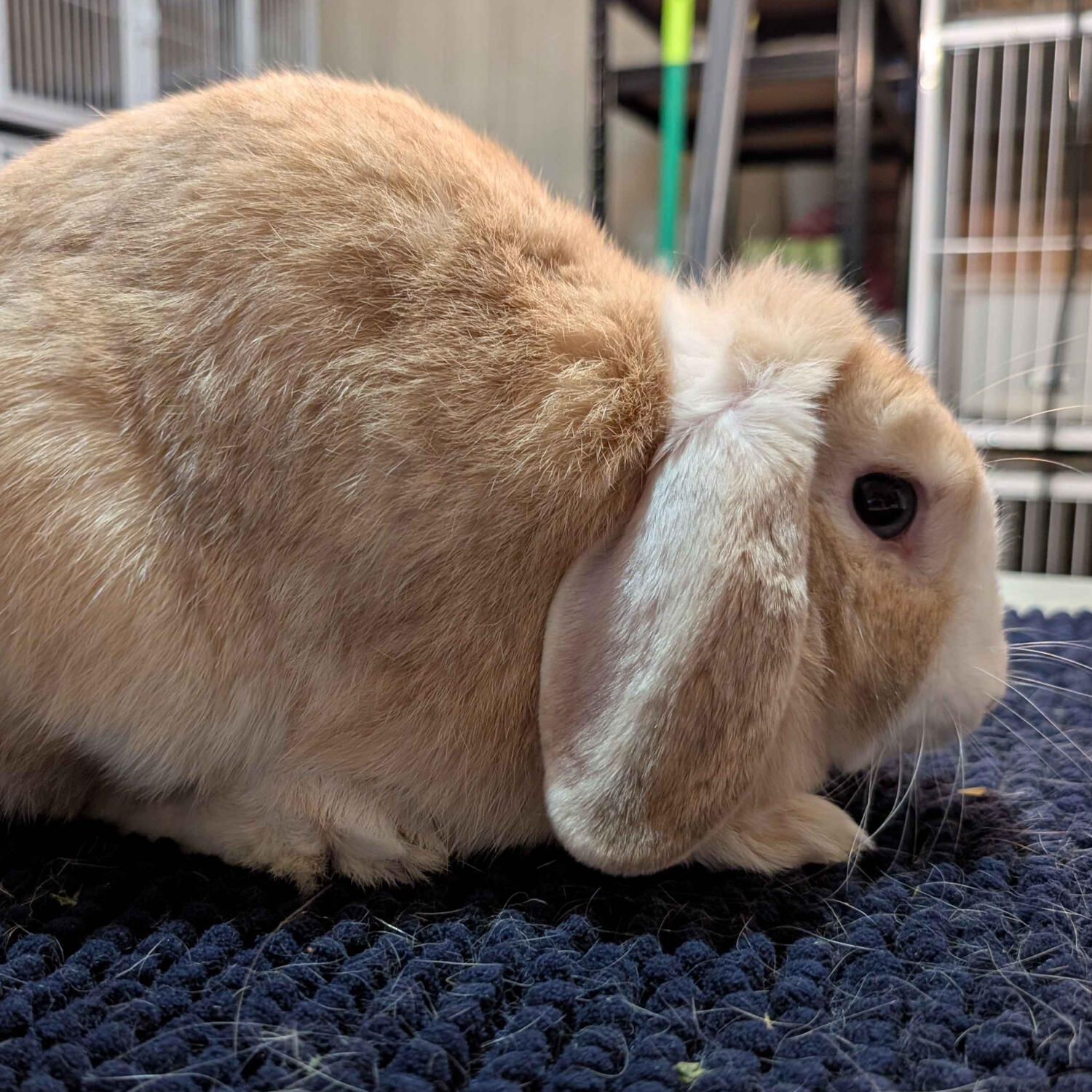
Claudia - #3001
Vienna Orange
Miniature Lop
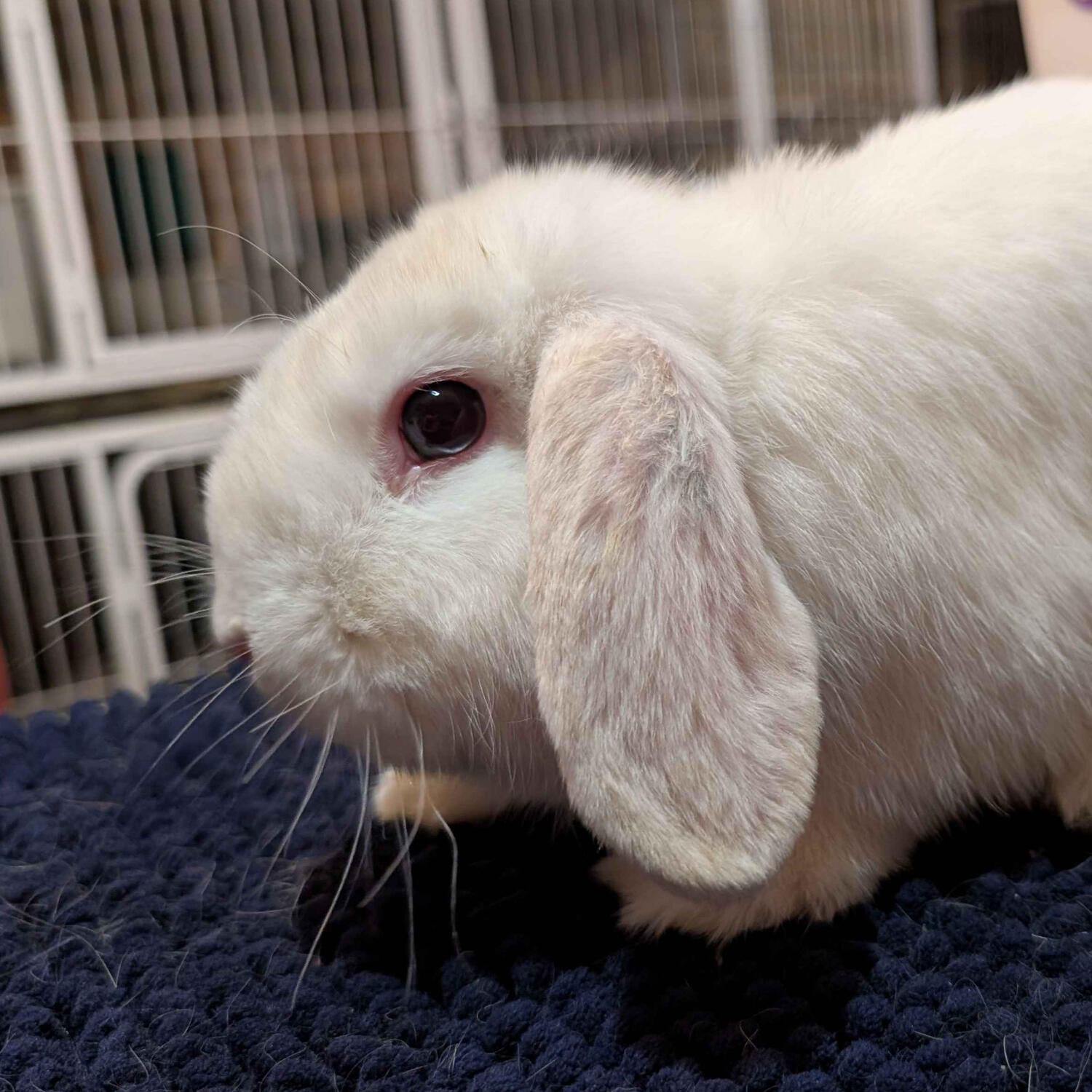
Echo x Power

Echo
Vienna-Marked Black
Netherland
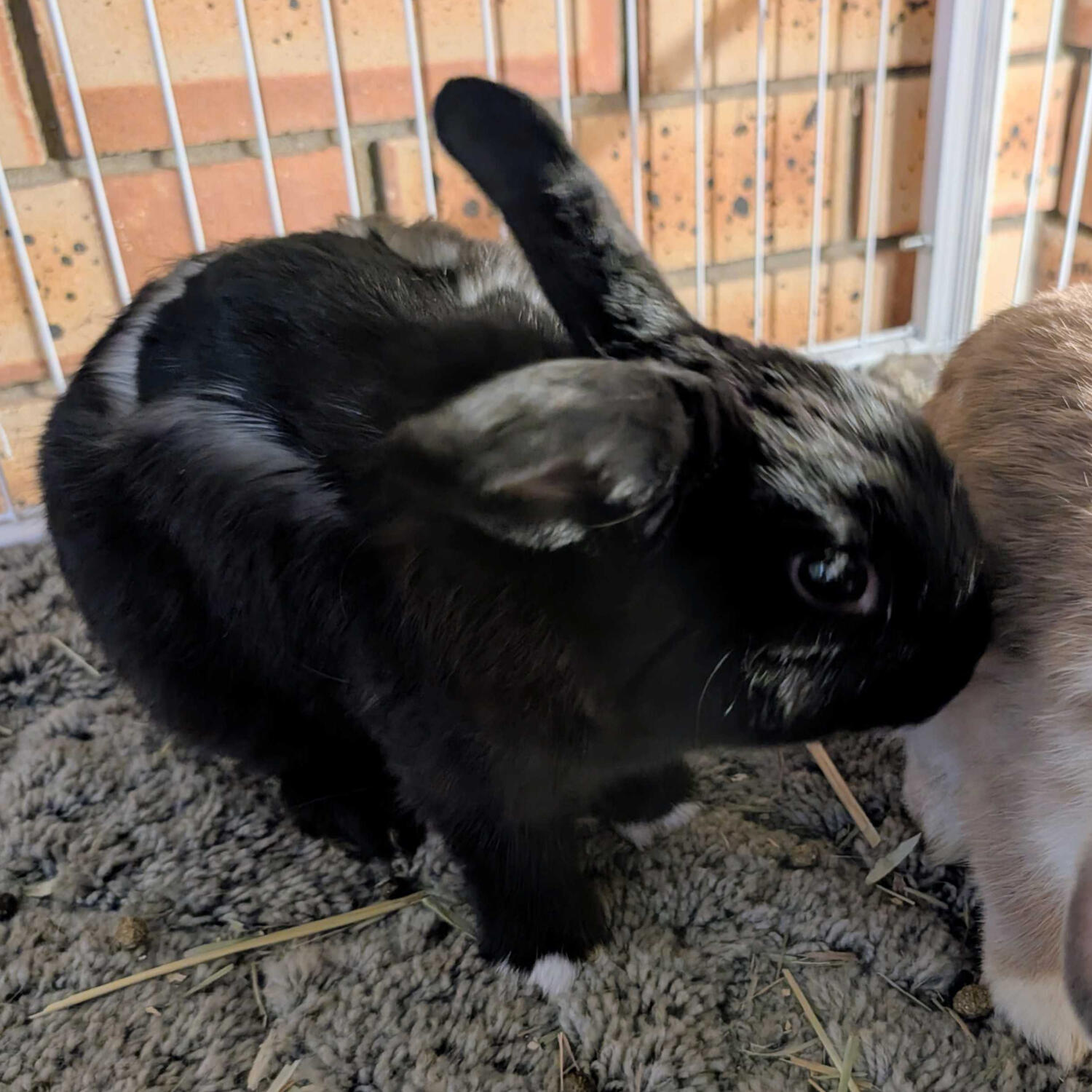
Power - #3002
Vienna Fawn
Miniature Lop
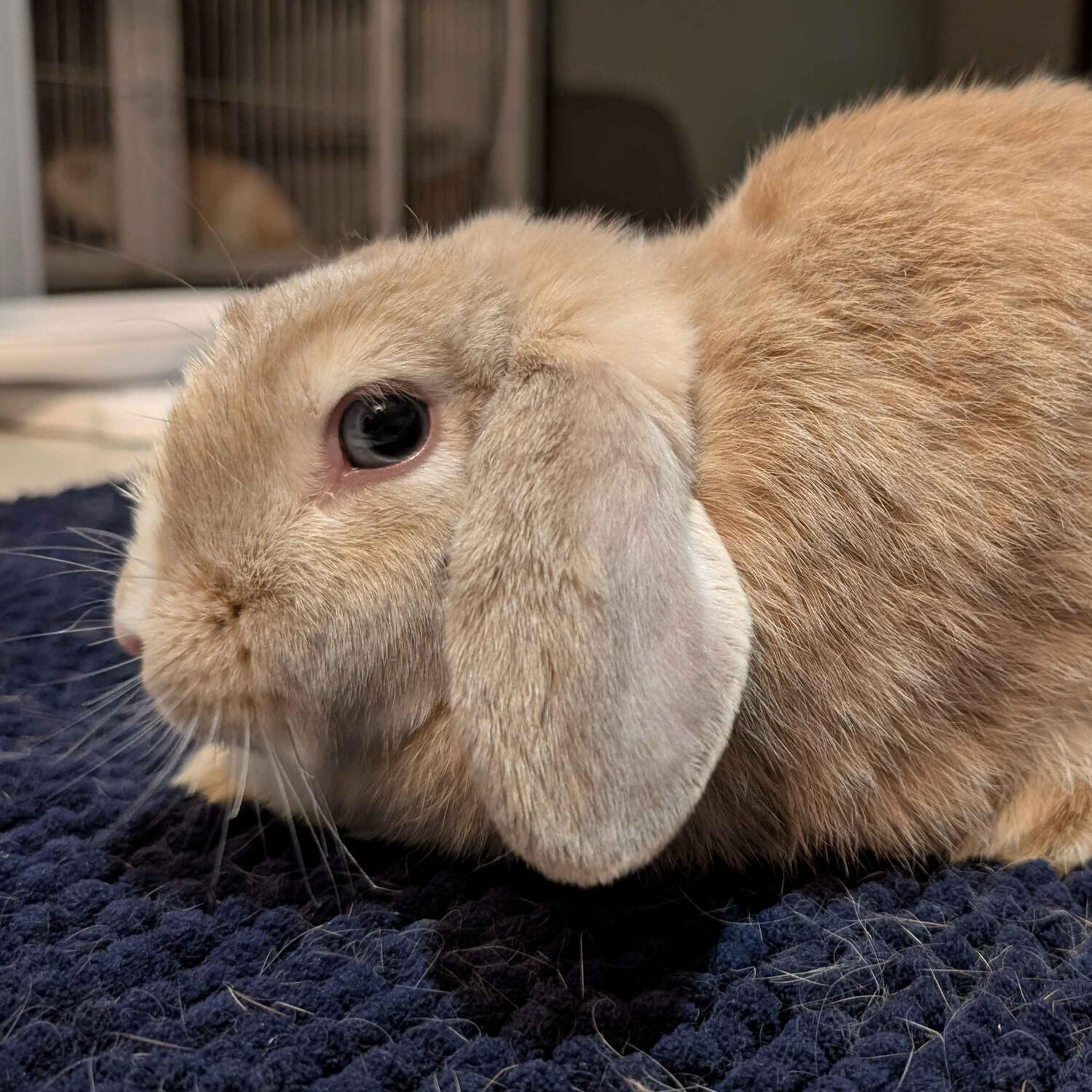
Future Pairs

Ram - #7005
Rew-Eyed White
Velveteen Lop
Nelluru - #7001
Chinchilla
British Giant
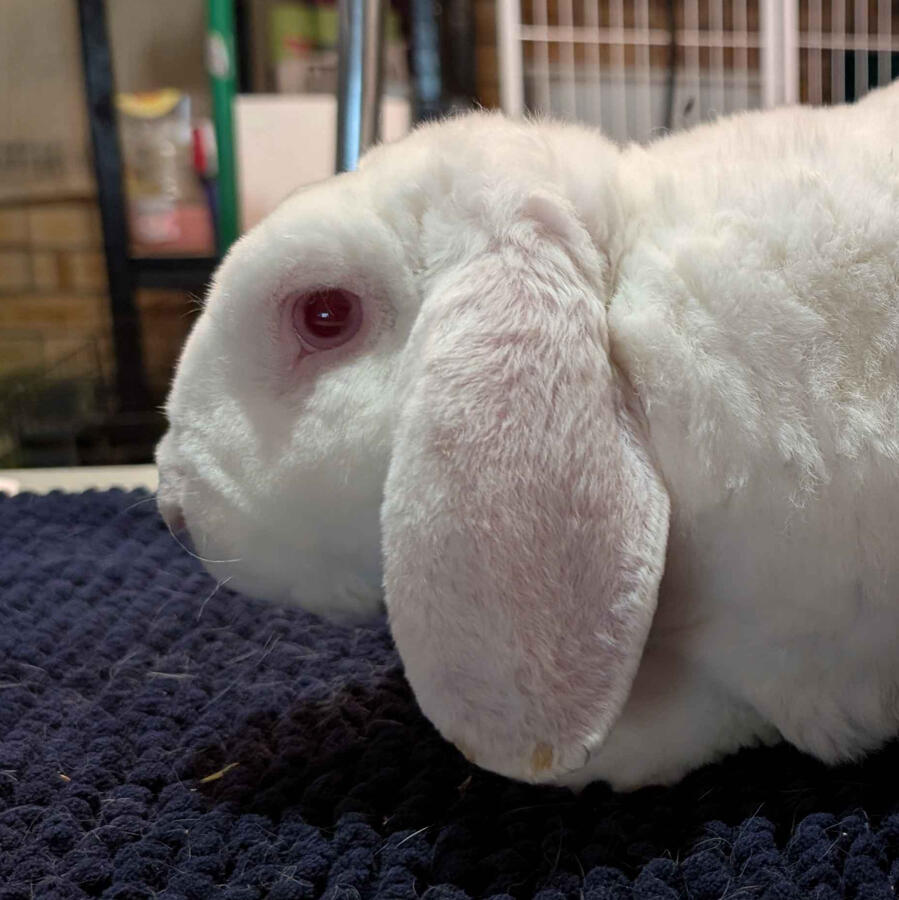
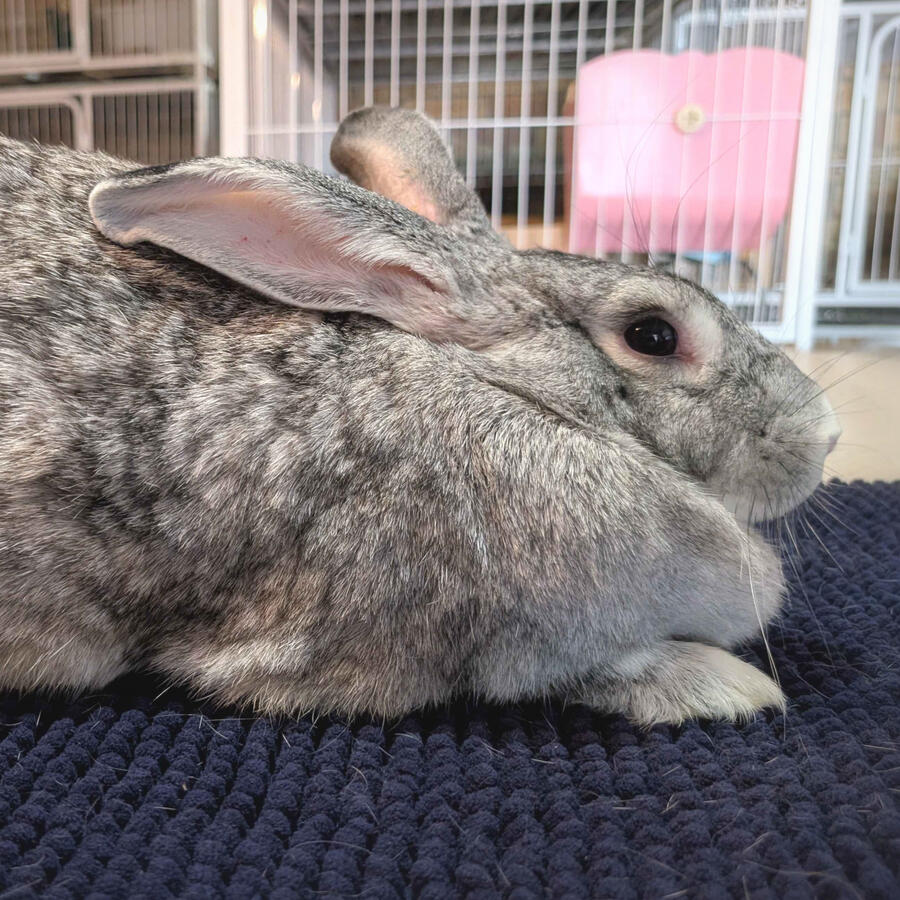
Ram x Nelluru

Ram - #9001
Rew-Eyed White
Velveteen Lop
Rika - #2007
Black Magpie
New Zealand X
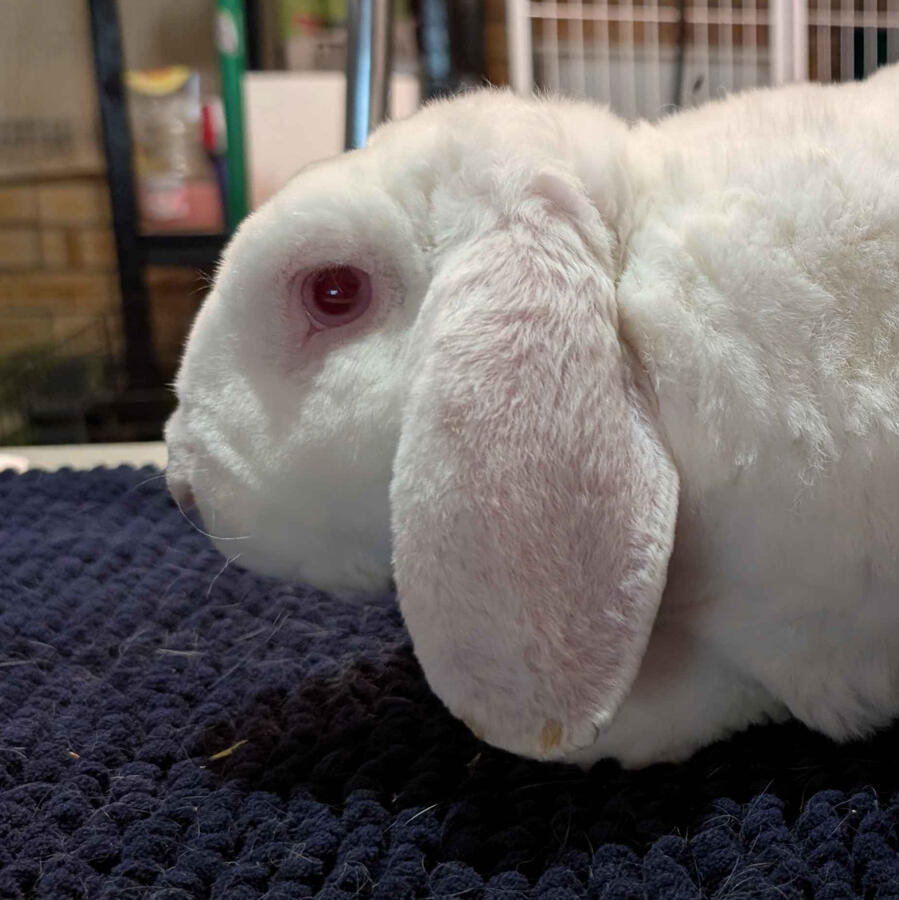
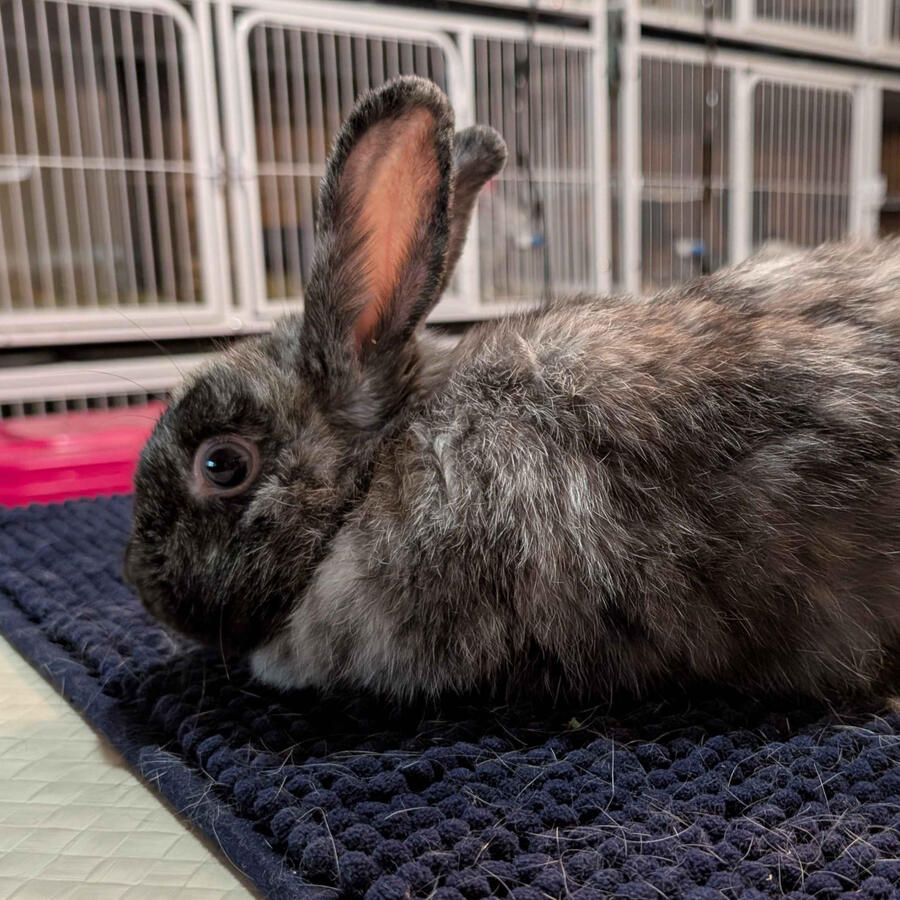
Ram x Rika

Khonsu - #7004
Orange
British Giant
Luna - #7002
Frost Point
British Giant
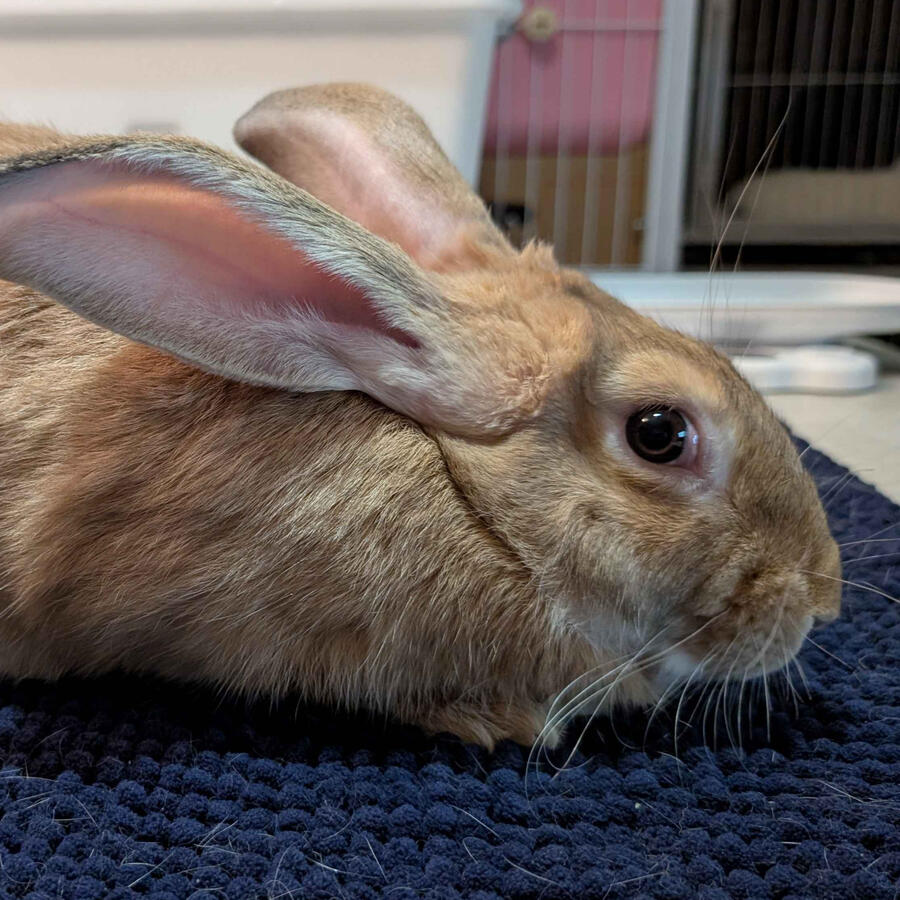
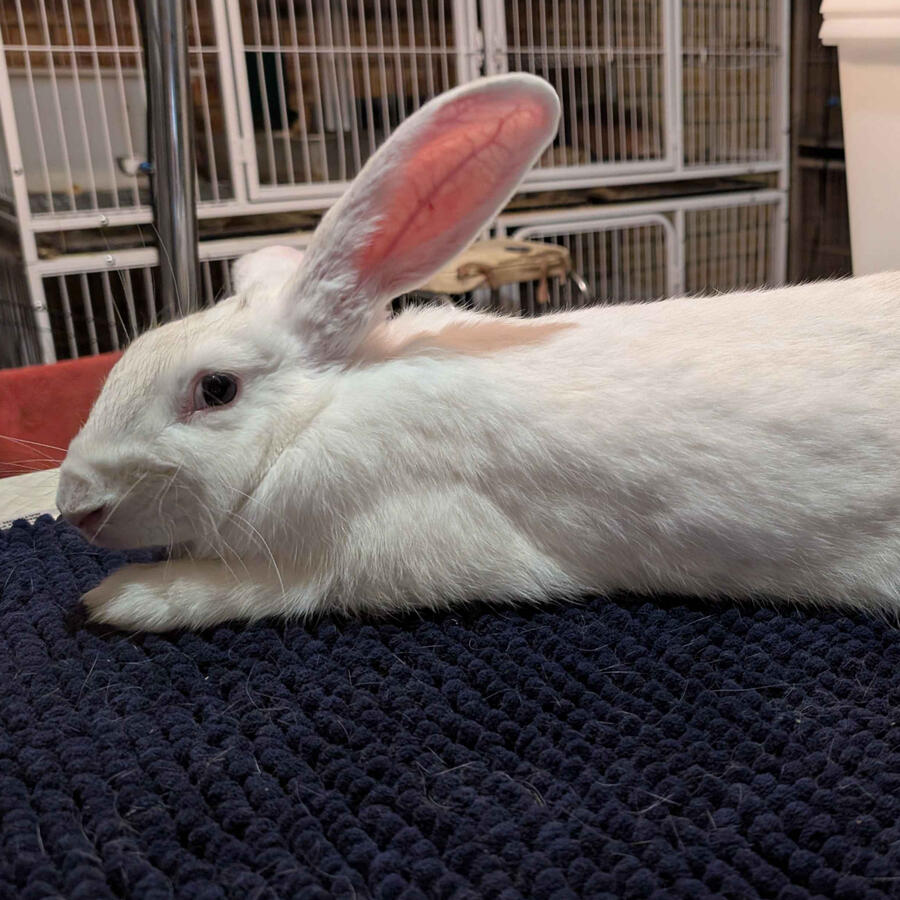
Khonsu x Luna

Khonsu - #7004
Orange
British Giant
Mama Quilla - #7003
Frost Point
British Giant
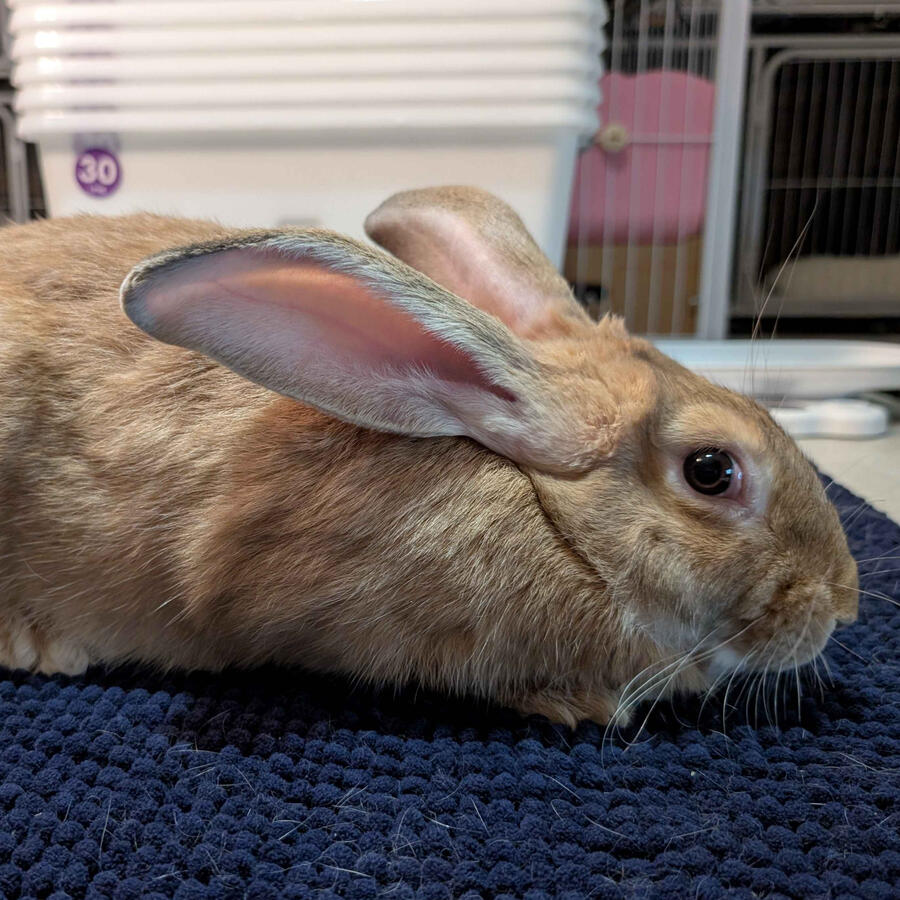
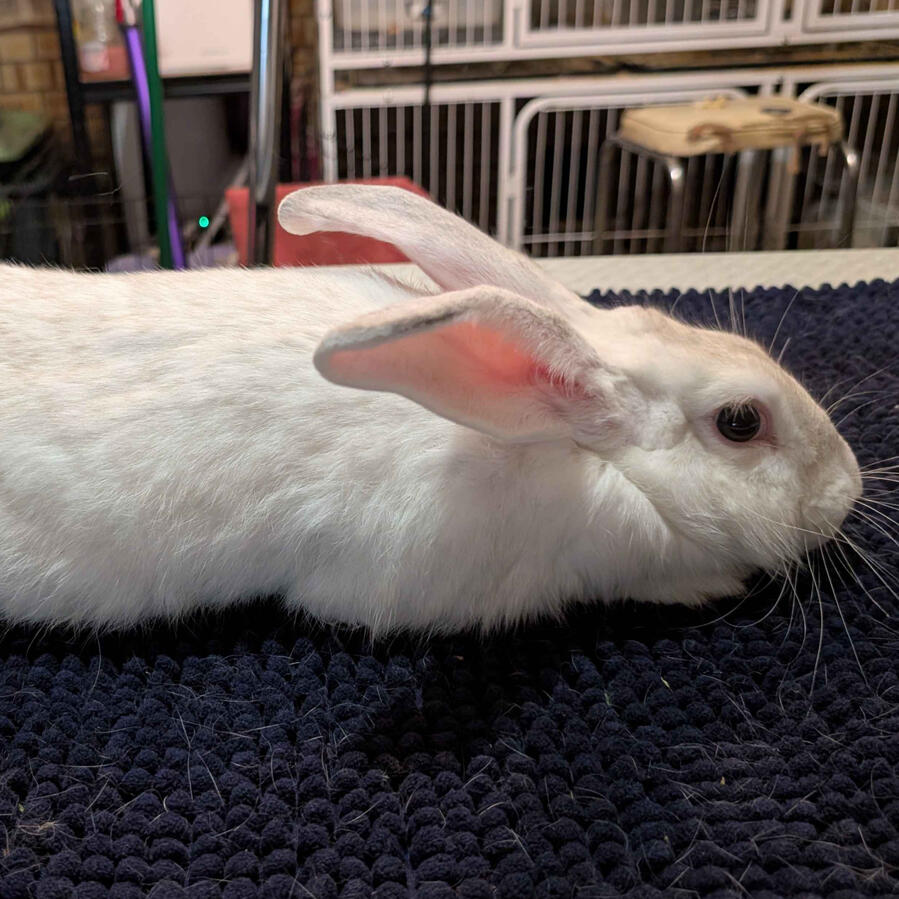
Khonsu x Mama Quilla
Khonsu - #7004
Orange
British Giant
Nelluru - #7001
Chinchilla
British Giant
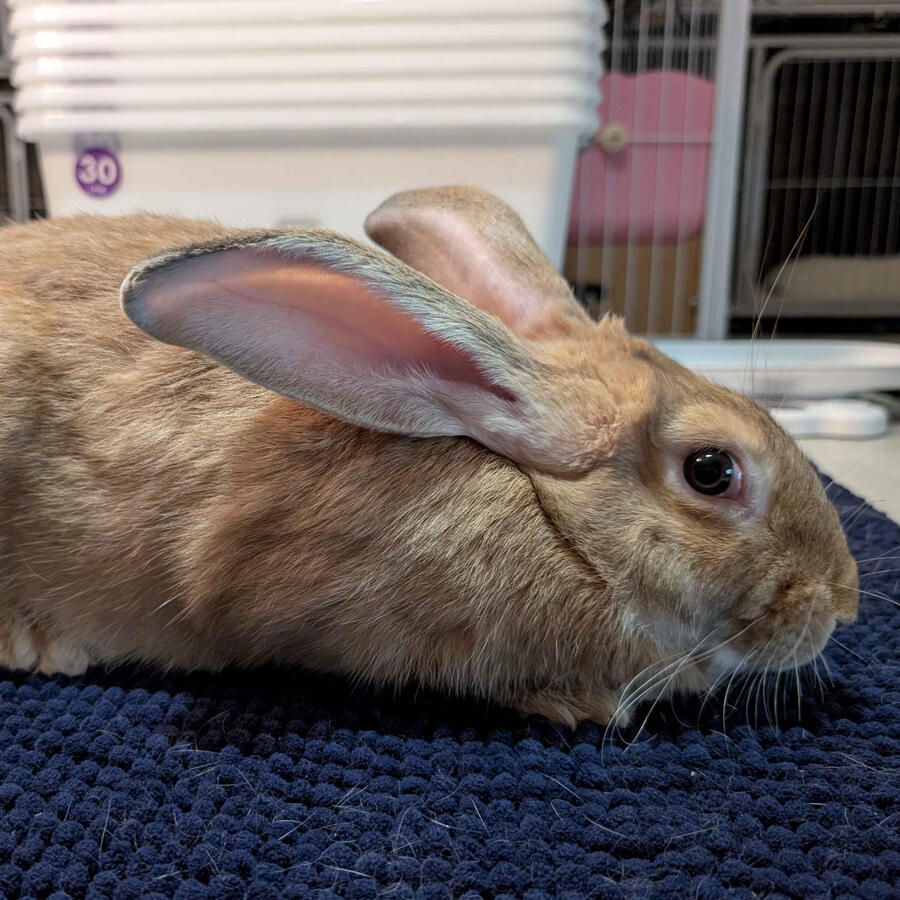
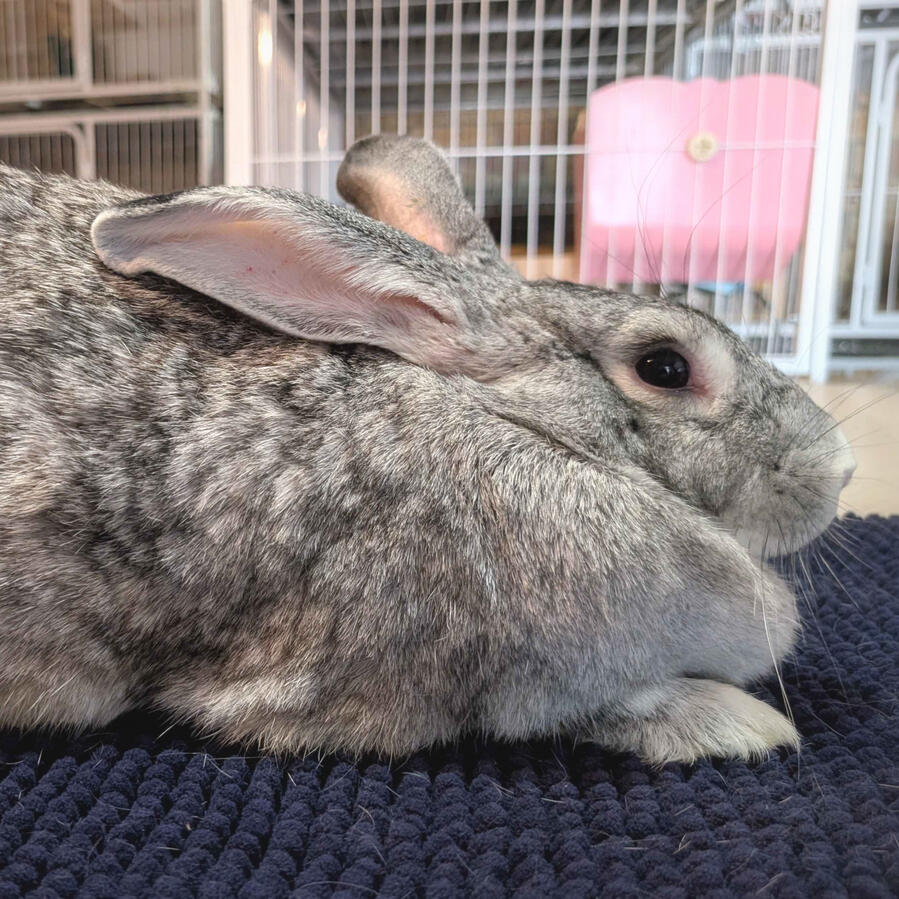
Khonsu x Nelluru

War - #5001
Blue-Eyed White
Cashmere Lop
Famine - #5002
Sooty Fawn
Cashmere Lop
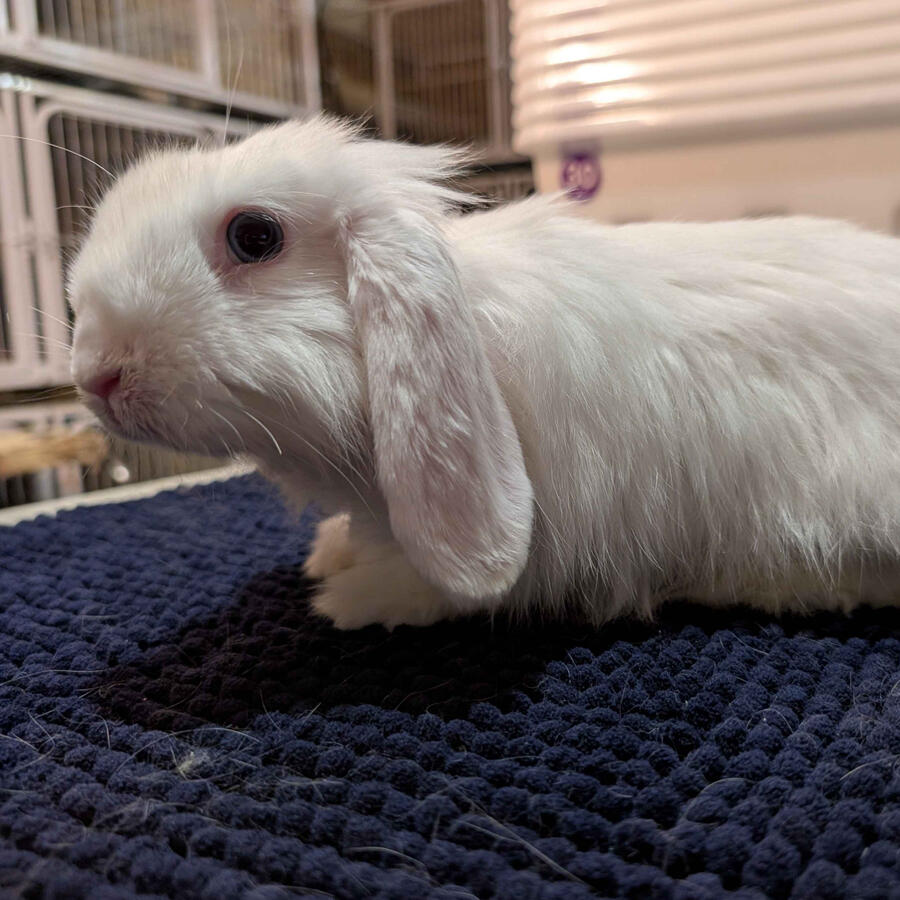
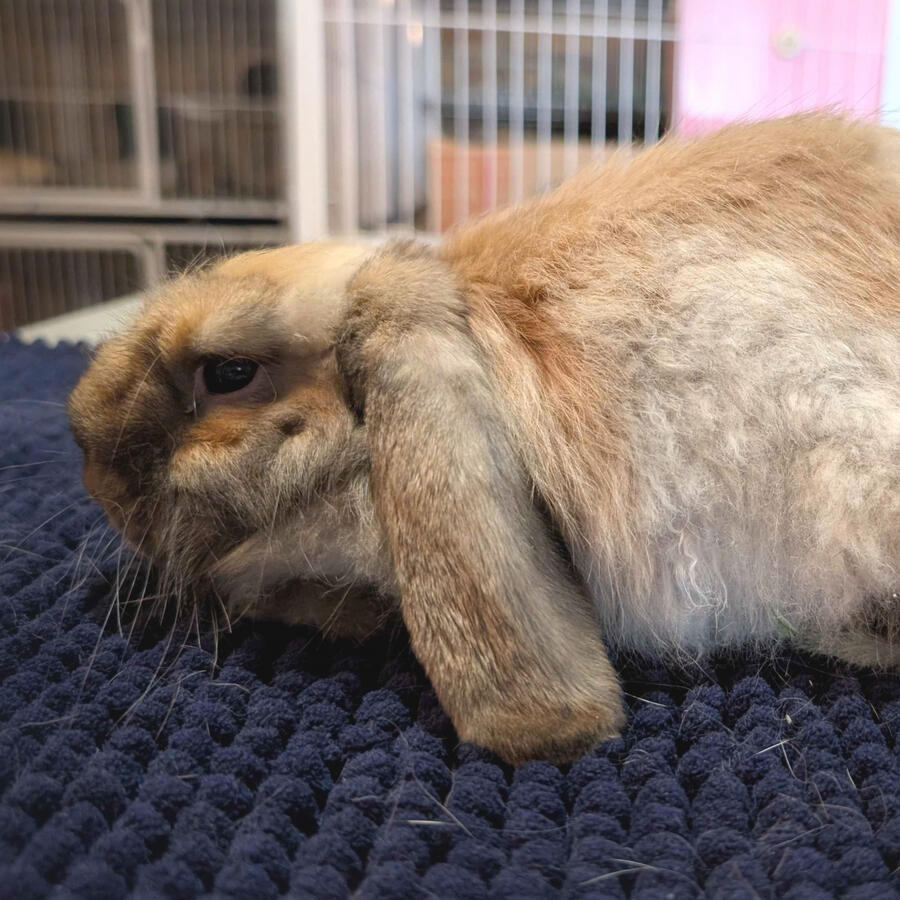
War x Famine

Wudu - #3021
Vienna Broken Choc
Miniature Lop
Blue - #2005
Himalayan
New Zealand
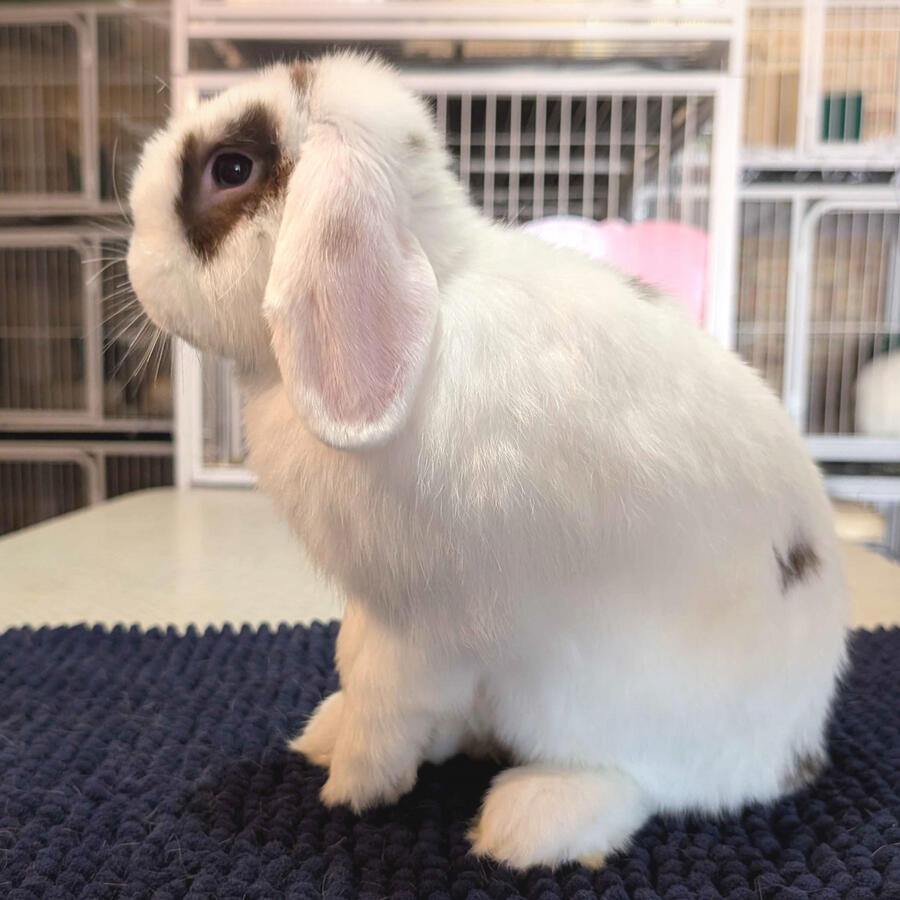
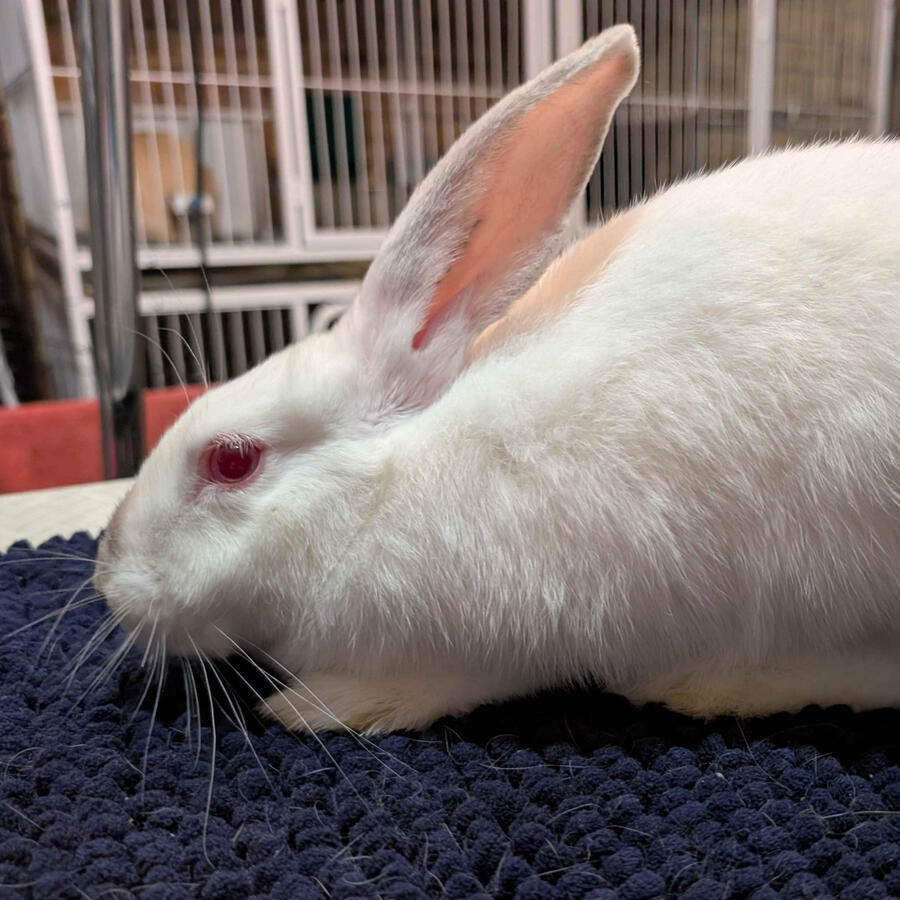
Wudu x Blue

Jiji - #3019
Vienna Chocolate Torted Harlequin
Miniature Lop
Maomao - #3009
Vienna-Marked Sooty Fawn
Miniature Lop
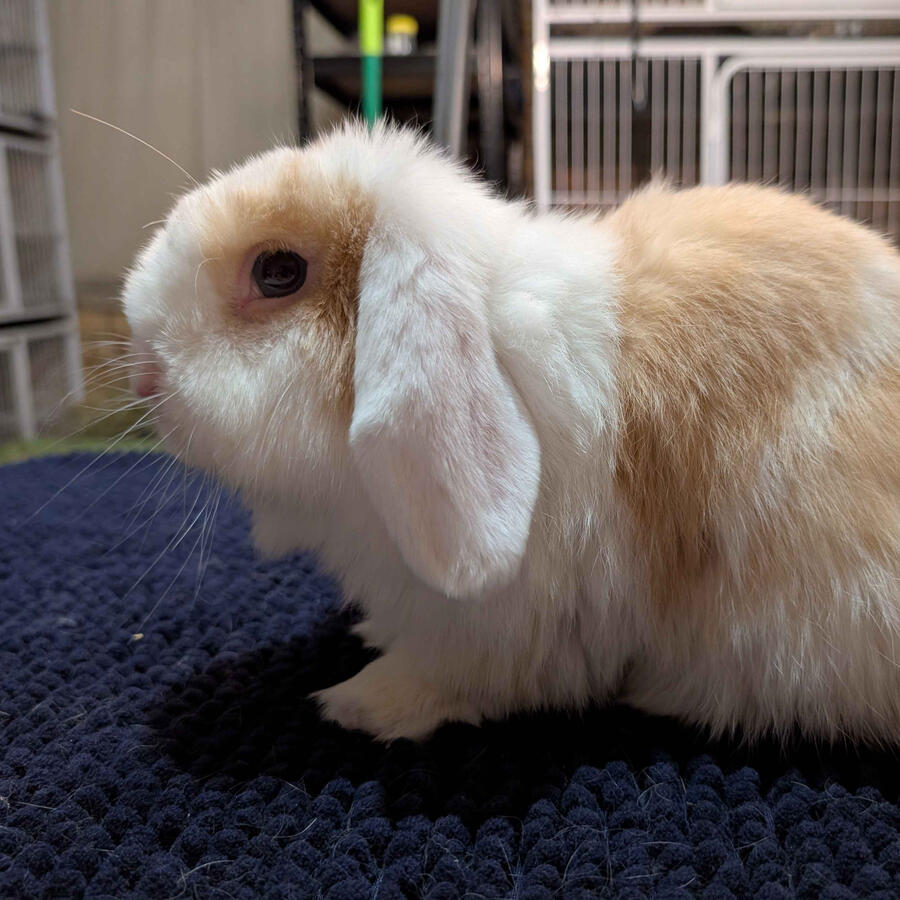
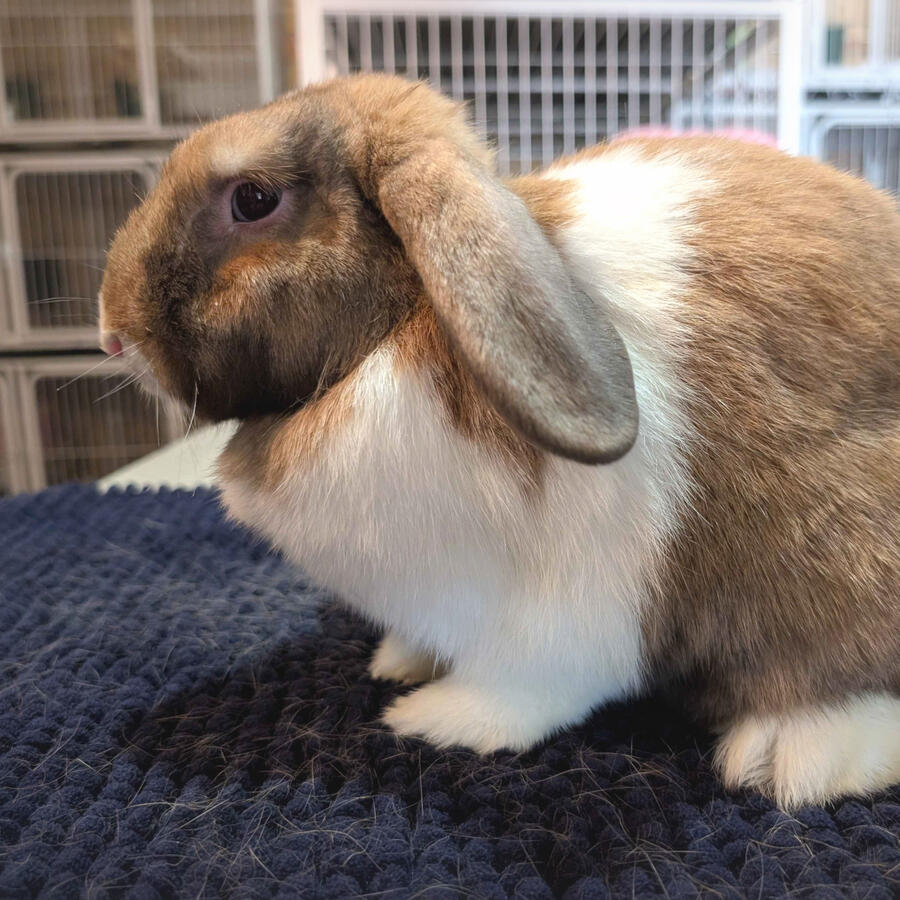
Jiji x Maomao

Jiji - #3019
Vienna Chocolate Torted Harlequin
Miniature Lop
Nico - #3015
Vienna Black Otter
Miniature Lop
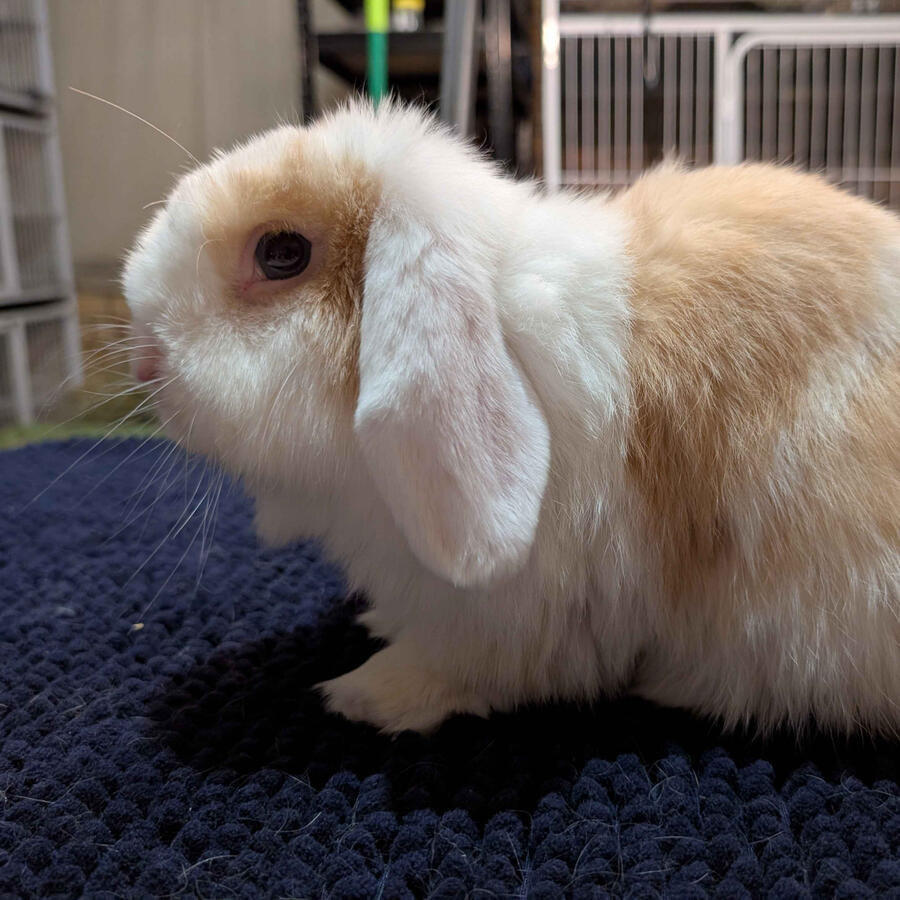
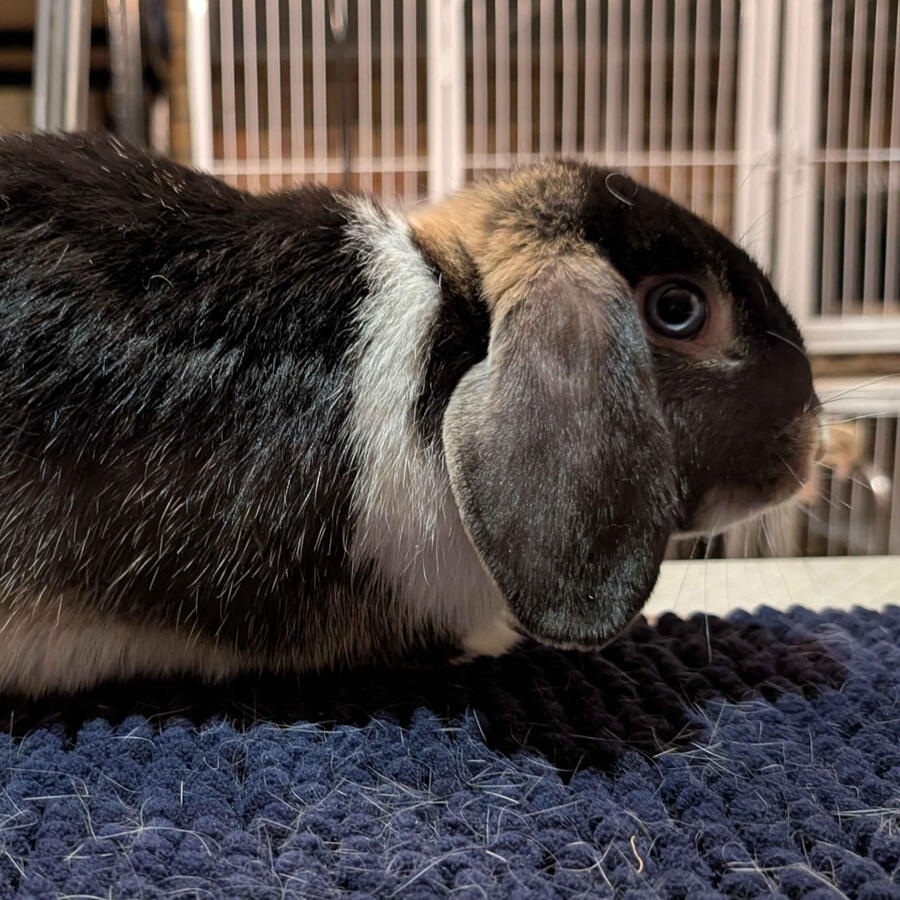
Jiji x Nico

Jiji - #3019
Vienna Chocolate Torted Harlequin
Miniature Lop
Léa - #3013
Vienna Black Self
Miniature Lop
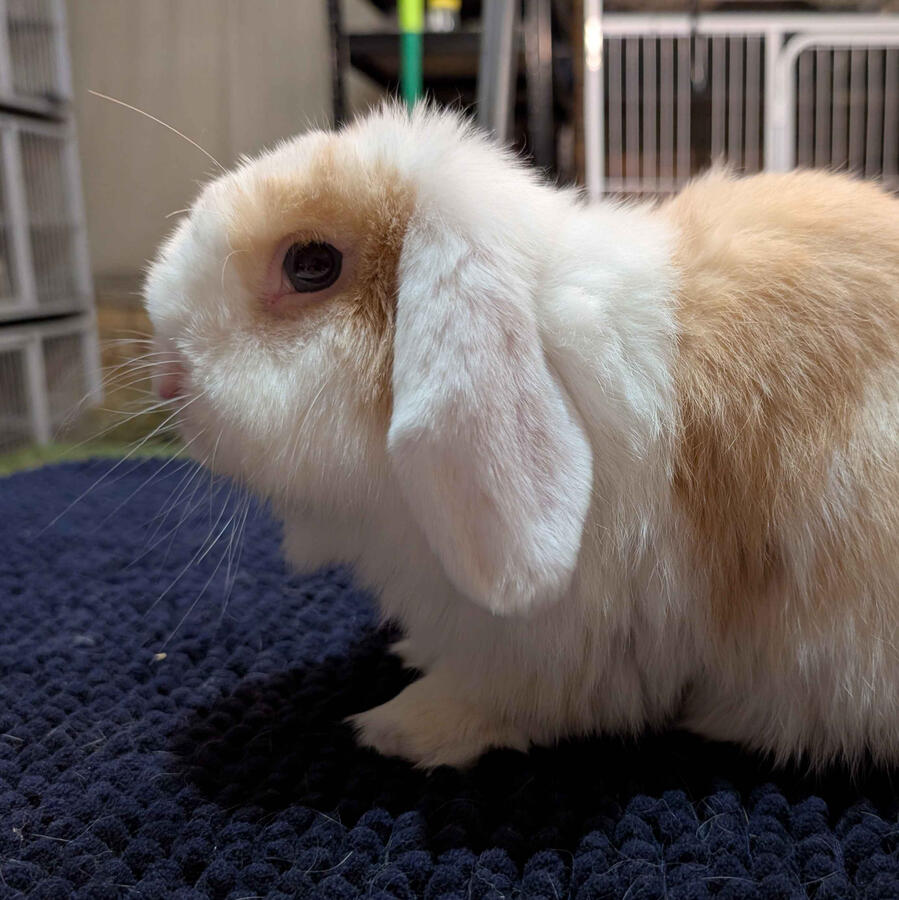
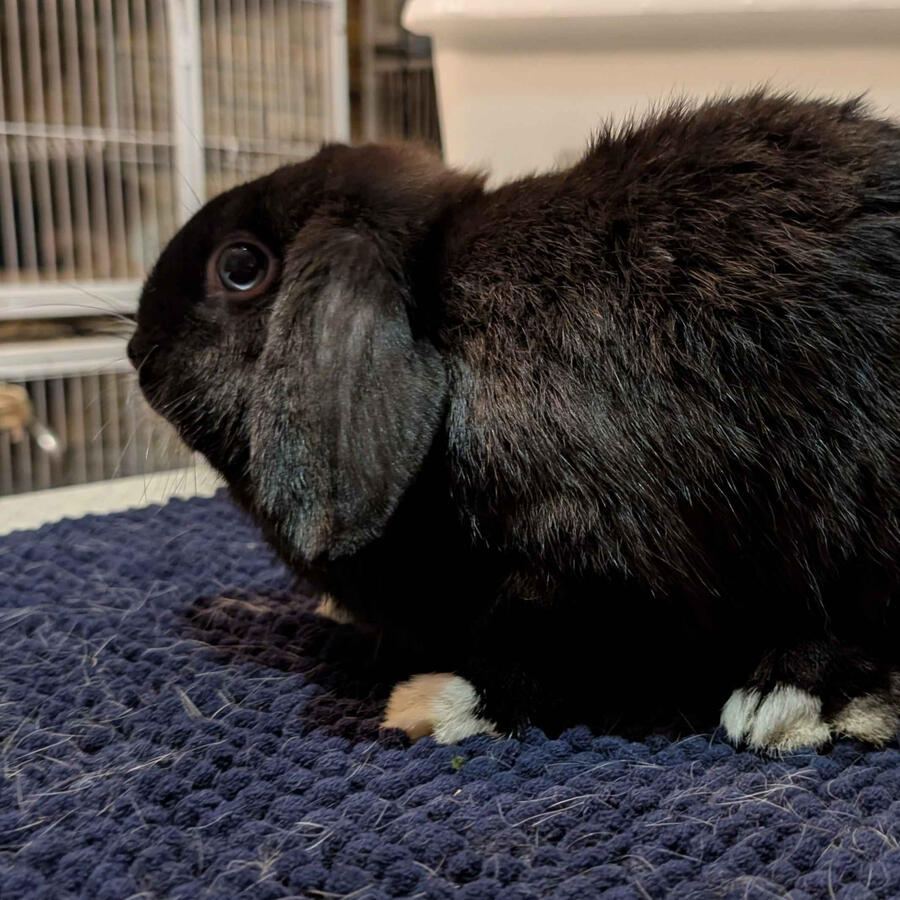
Jiji x Léa

Jiji - #3019
Vienna Chocolate Torted Harlequin
Miniature Lop
Bunbun - #3011
Blue-Eyed White
Miniature Lop
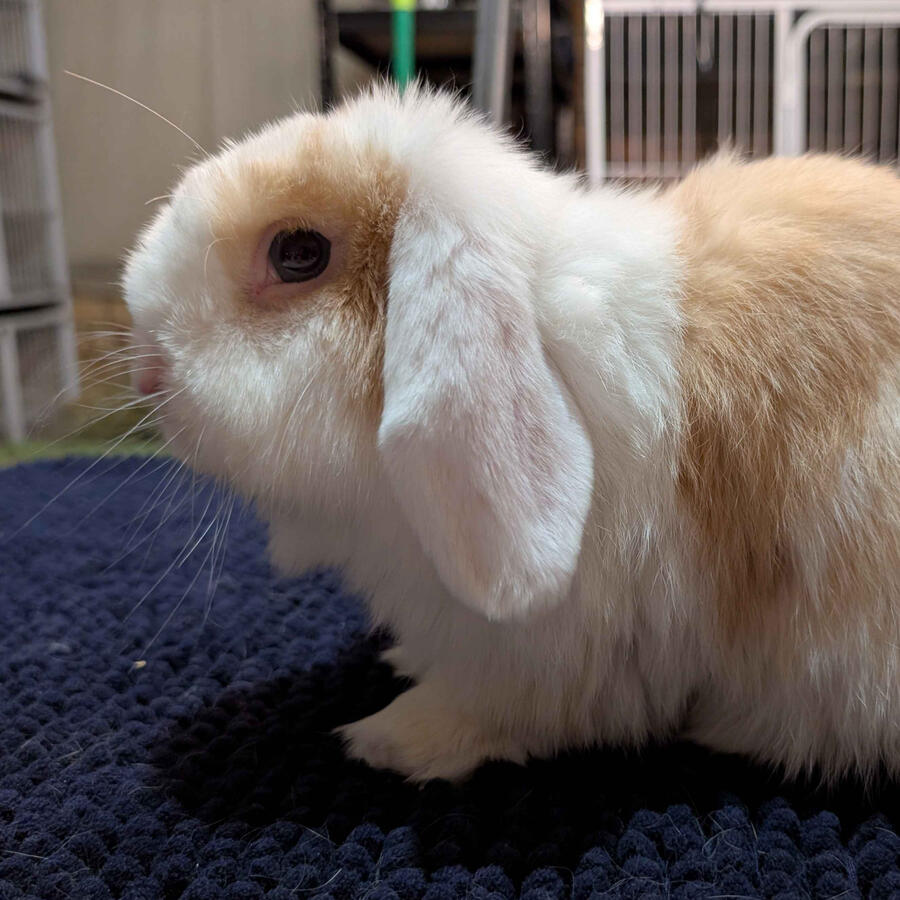
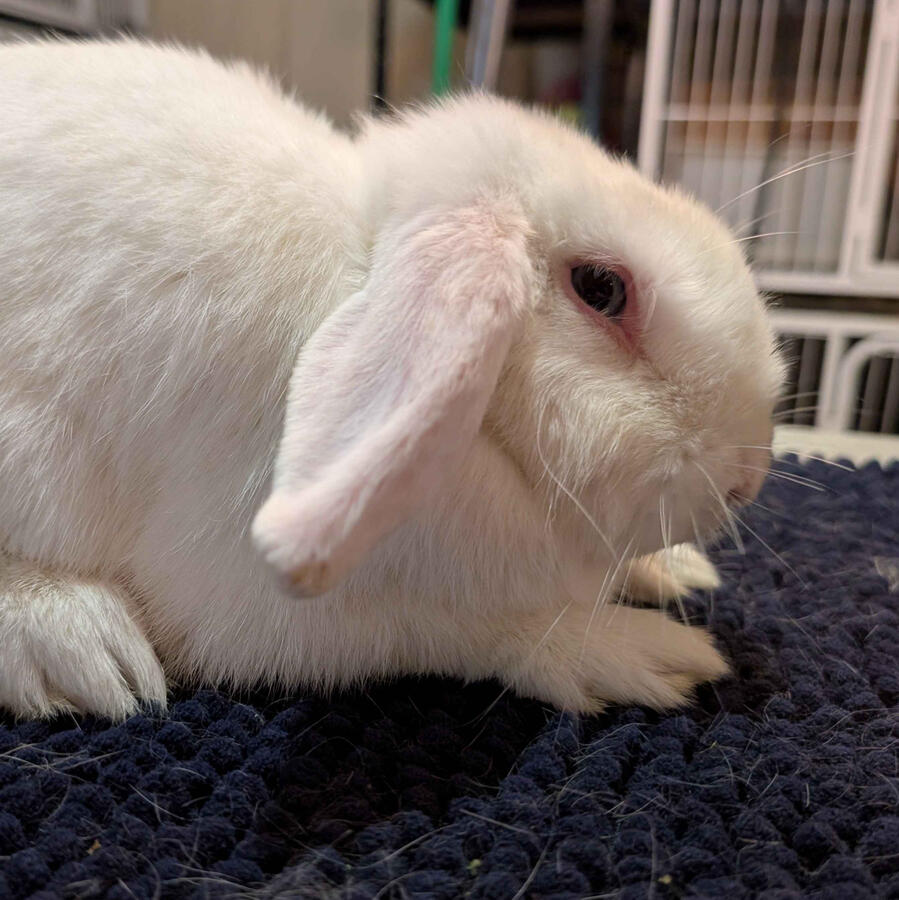
Jiji x Bunbun

Jiji - #3019
Vienna Chocolate Torted Harlequin
Miniature Lop
Ewe - #7006
Rew-Eyed White
Velveteen Lop
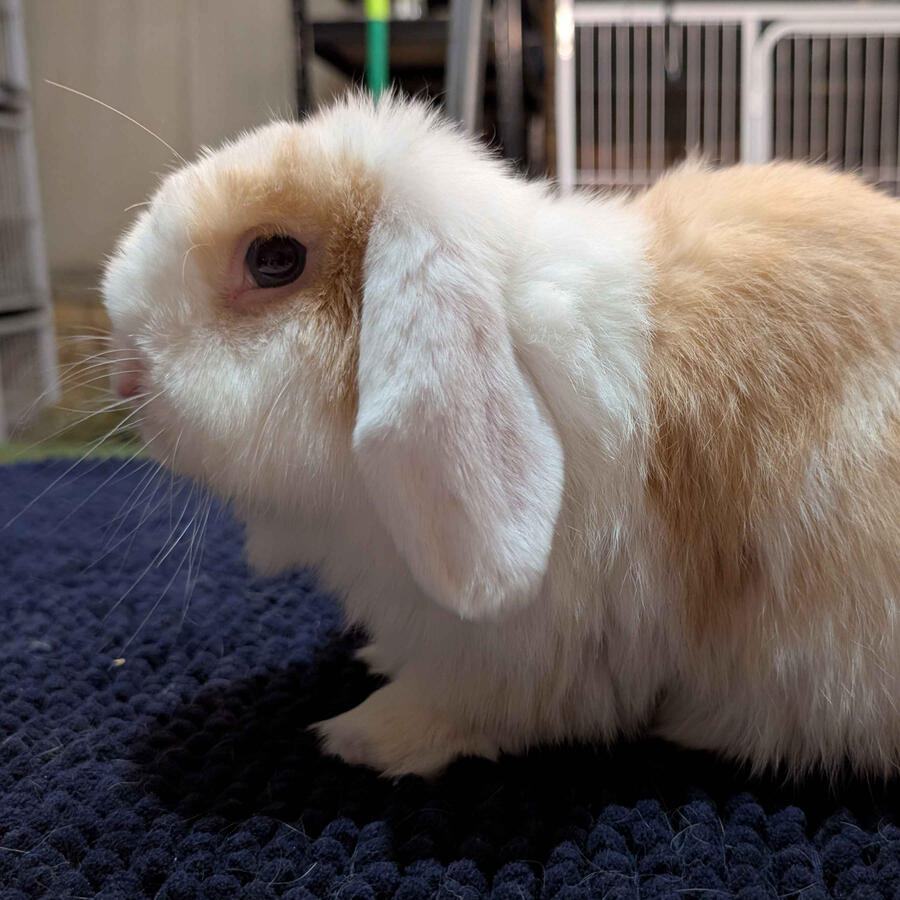
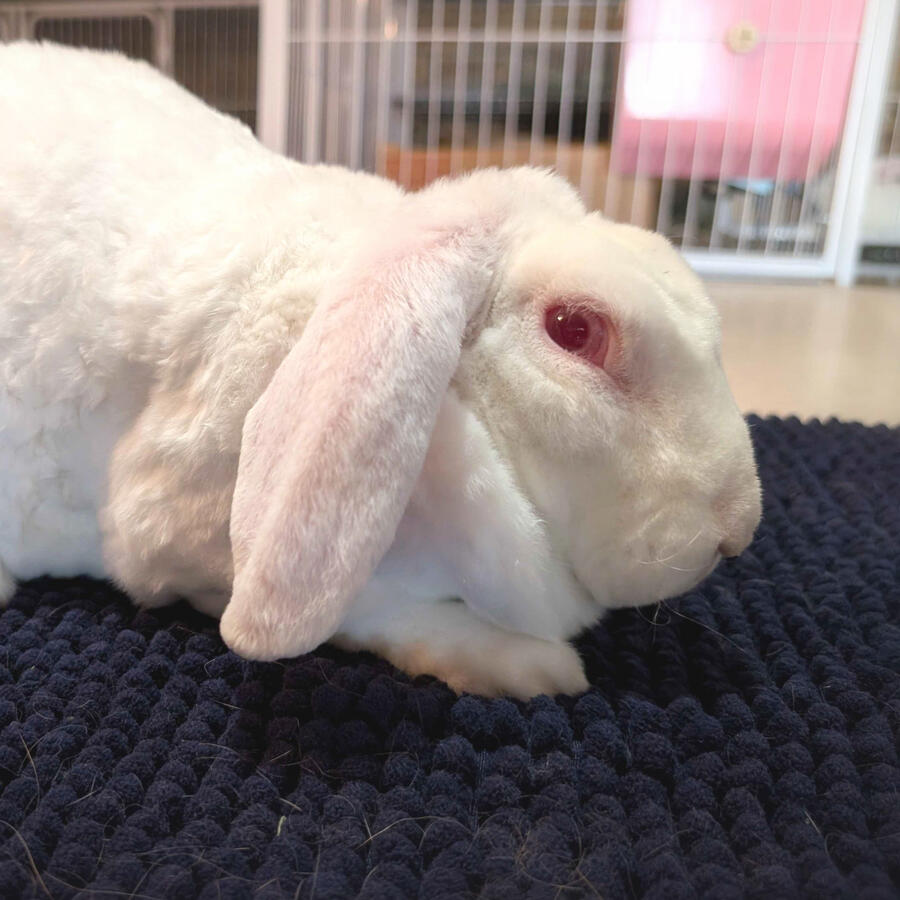
Jiji x Ewe

Jiji - #3019
Vienna Chocolate Torted Harlequin
Miniature Lop
Xiao - #3017
Vienna Frost Point
Miniature Lop
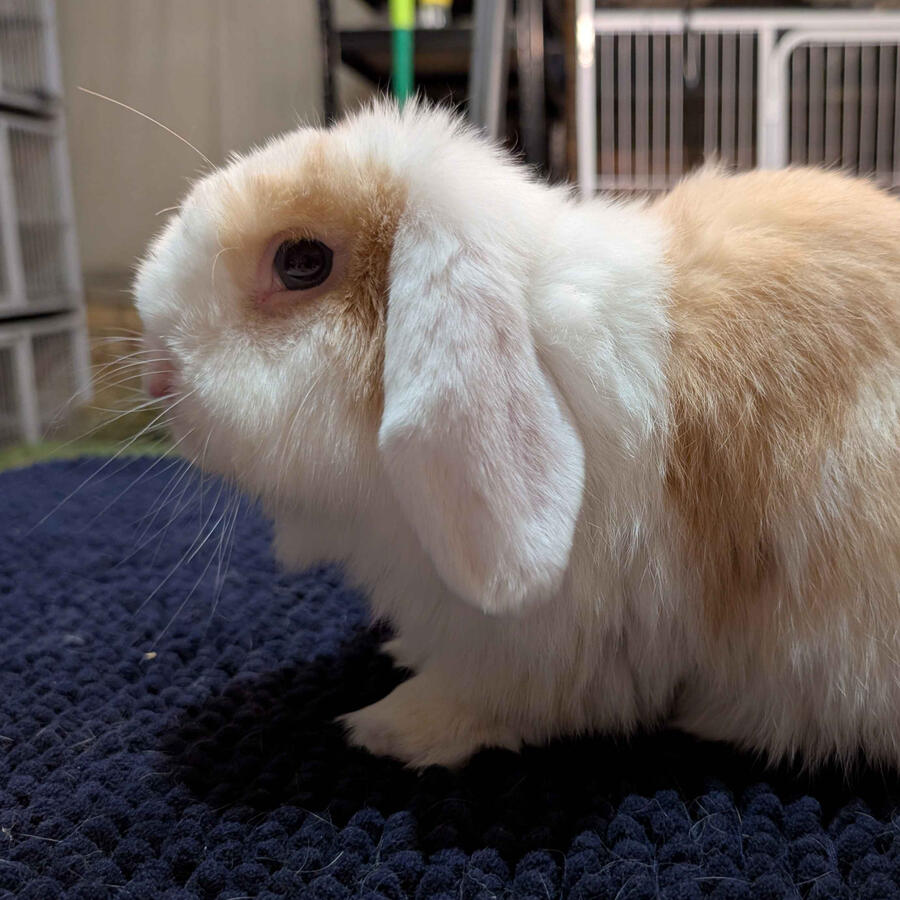
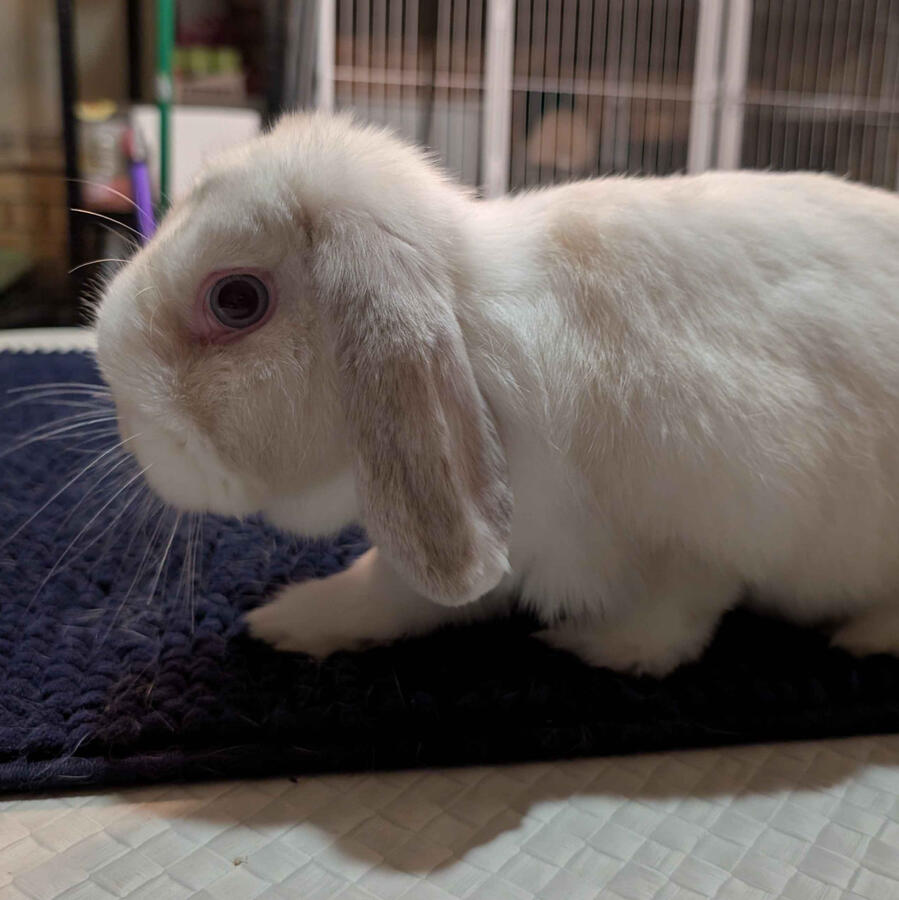
Jiji x Xiao

Bink - #2004
Red-Eyed White
New Zealand
Granny - #2006
Sable Chinchilla
New Zealand
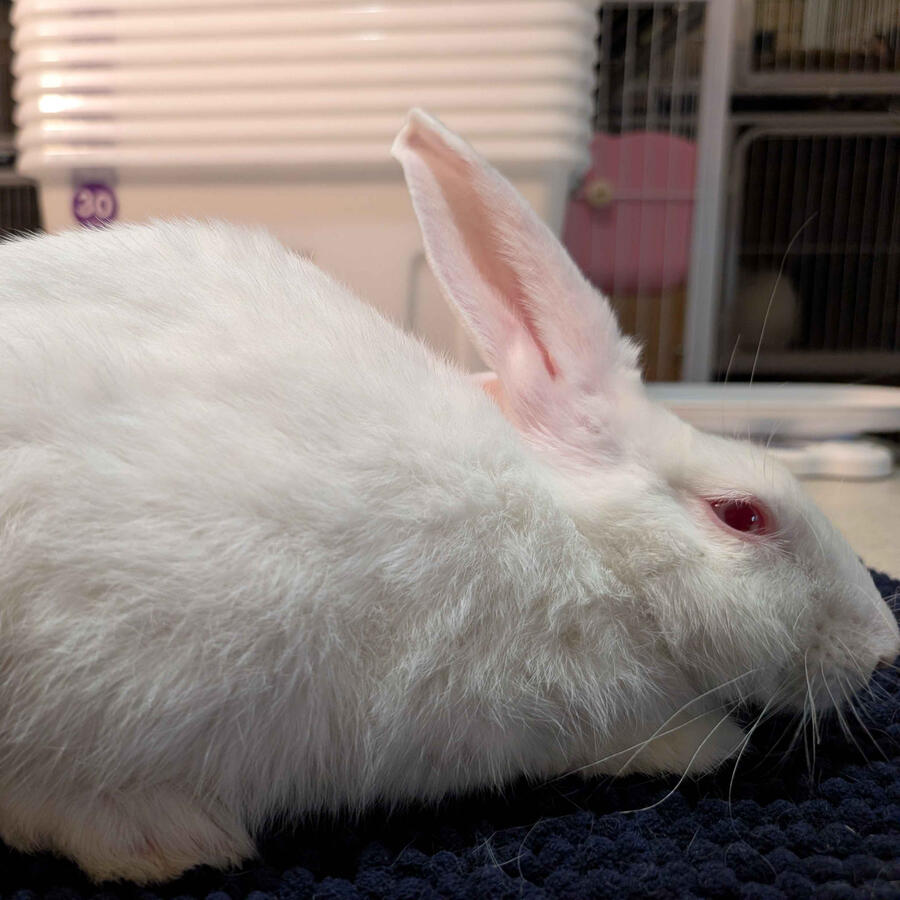
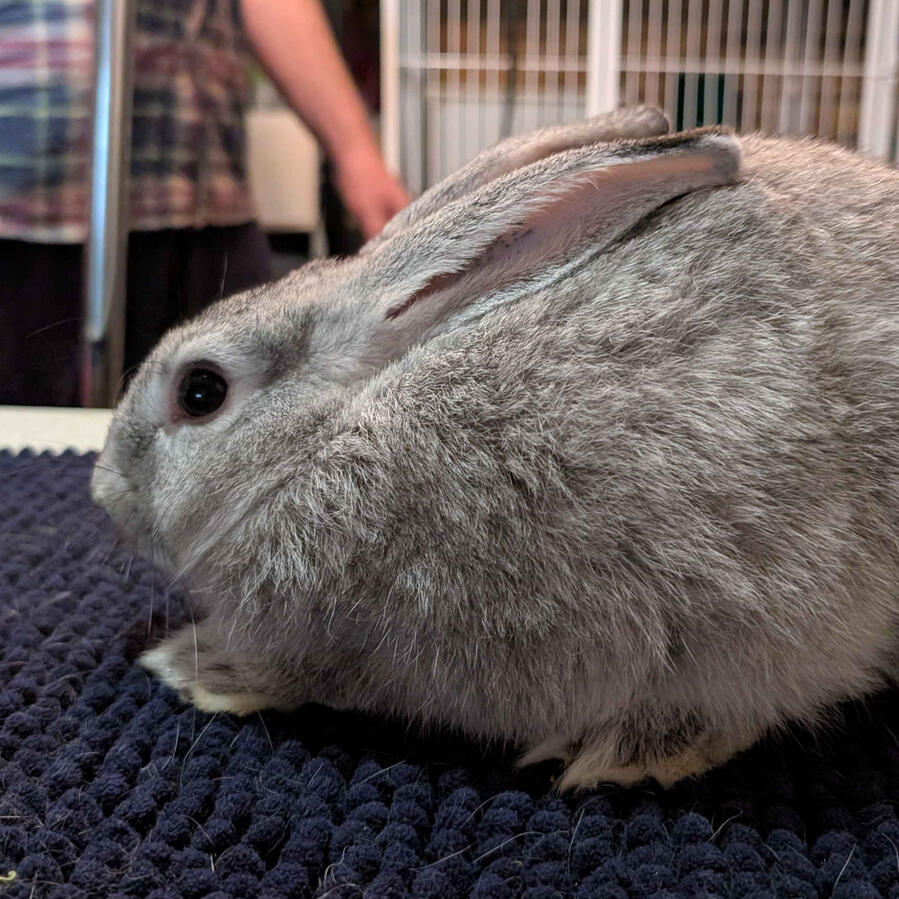
Bink x Granny
Contact Us
Have some questions?
We are always available to answer any questions you may have and provide you with suitable resources to guide you on rabbit care.
Resources
Rabbit Care Guide
Need some care advice for your bun?
We've made an easy to read rabbit care guide for all buns purchased from us.Mae's Rabbit Care Guide
Adopt or Shop?
If you are here, you are looking to 'shop', AKA purchase from a breeder/rabbitry. But have you considered adopting? Are there any rabbits in your local shelter? Have you pondered the pros and cons of adopting an adult rabbit versus a young rabbit?Here, we will outline ALL the pros and cons. No persuasion. Just cold hard FACTS.YOU decide what is best for you and your family.If you are interested in adopting, please look at RSPCA's website and Romeo's Rabbit Rescue!
Rescue
Pros
- Already neutered, microchipped, & vaccinated
- You are giving a rabbit another chance to find their home
- Making space for other animals who need rescuing
- Easier to toilet train
- More cost-effective/cheaper than buying from a rabbitry
- You are supporting charitable organisations
- Community impact
- Intrinsic reward
- Frequent medical checkups/ evaluations
Cons
- Not all rescues are knowledgeable on rabbits and how to care for them
- May have unwanted behaviours
- Hidden health conditions
- Unknown specific age of bun
- Can behave differently/ unexpectedly once brought home
- Lots more paperwork
- May have unknown history
- May require a waiting period
- If you care about aesthetics, higher chance of mixed-breeds
- Their energy level/temperament may not suit your lifestyle
- May have a fee if you return them
- Some rescues may lie to get the rabbit out of their care, BEWARE!!
Rabbitry
Pros
- Known family heritage & genetics
- More rabbit-centric knowledge
- Low/zero hereditary problems
- More predictable behaviour/ personality/ health
- Easier to shape their personality and behaviours when young
- Early socialisation training
- Breed specificity; you are getting a specific breed!
- Supports local small businesses
- Longer relationship with your bun
- You can return your bun if they aren't the right fit, free of charge!
Cons
- Young rabbits are harder to toilet train
- More sensitive stomach whilst young
- You will have to pay for future neutering, microchipping, & vaccinating
- May develop bad habits over time without proper guidance/training
- Bigger upfront cost than adoption
- Certain breeds are more prone to specific health conditions
- Less altruistic
- May contribute to overpopulation
- Please ensure you only adopt from ETHICAL rabbitries, NOT backyard breeders!!!
Testimonies
A breeder who stays in touch
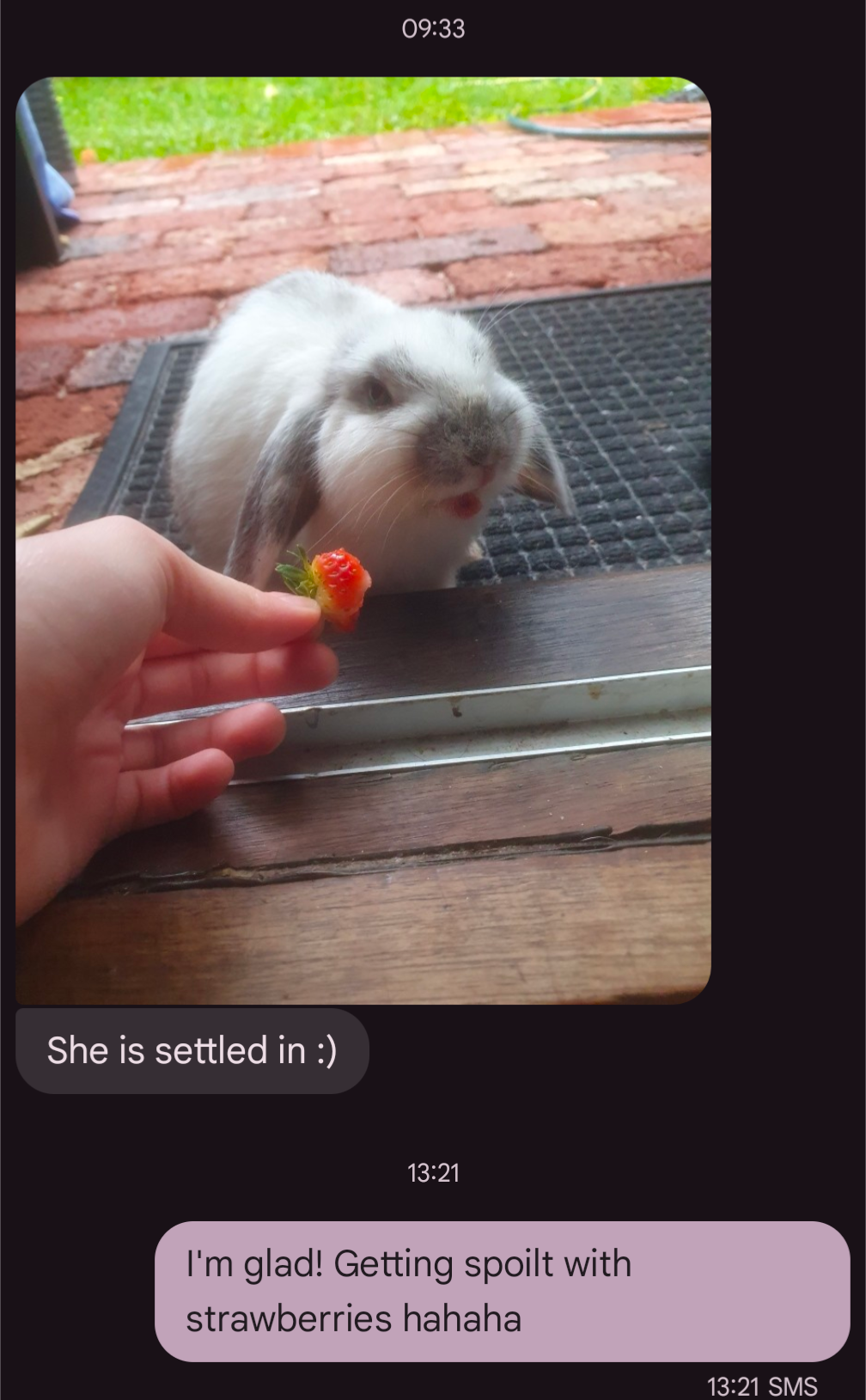
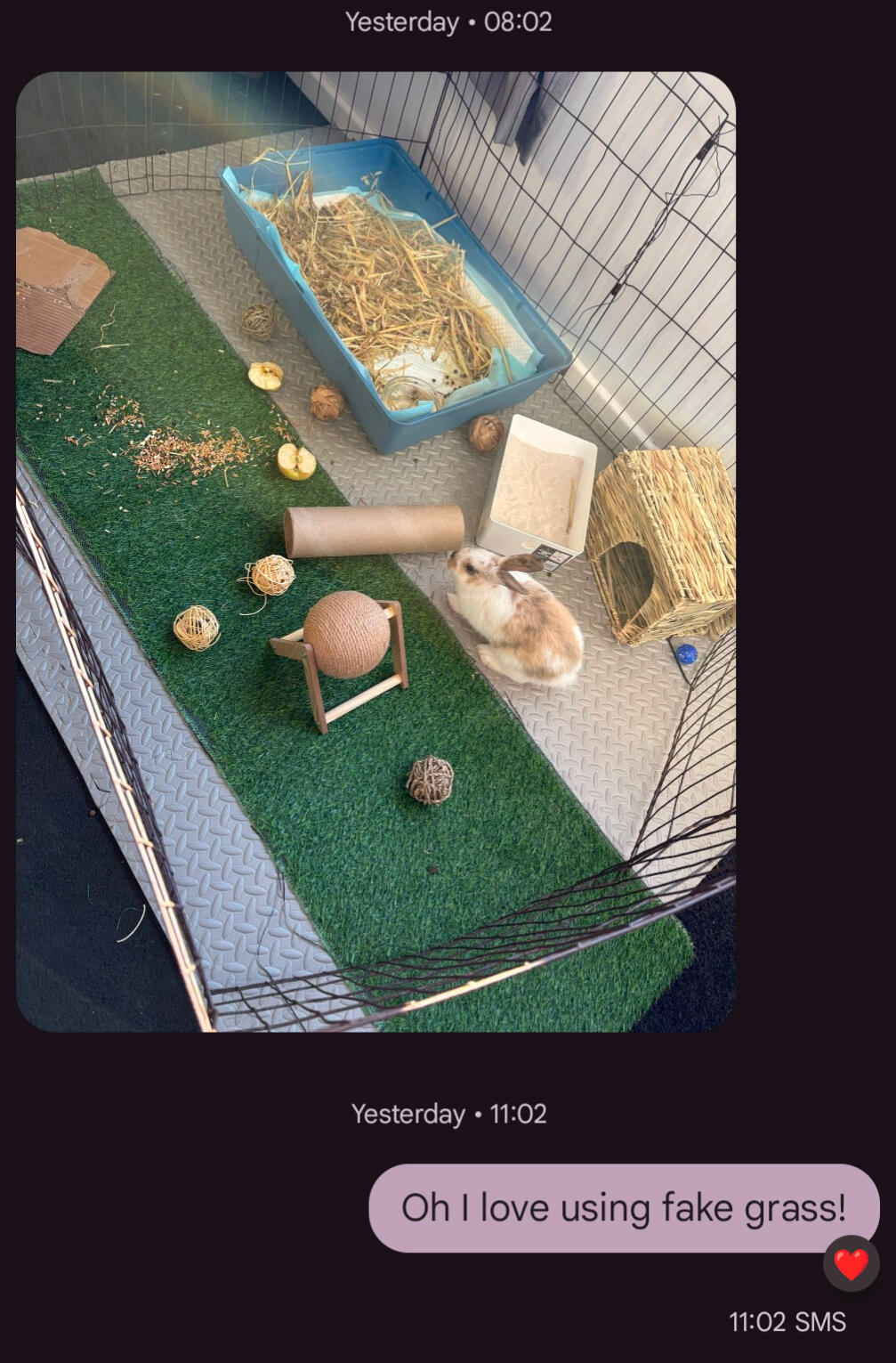
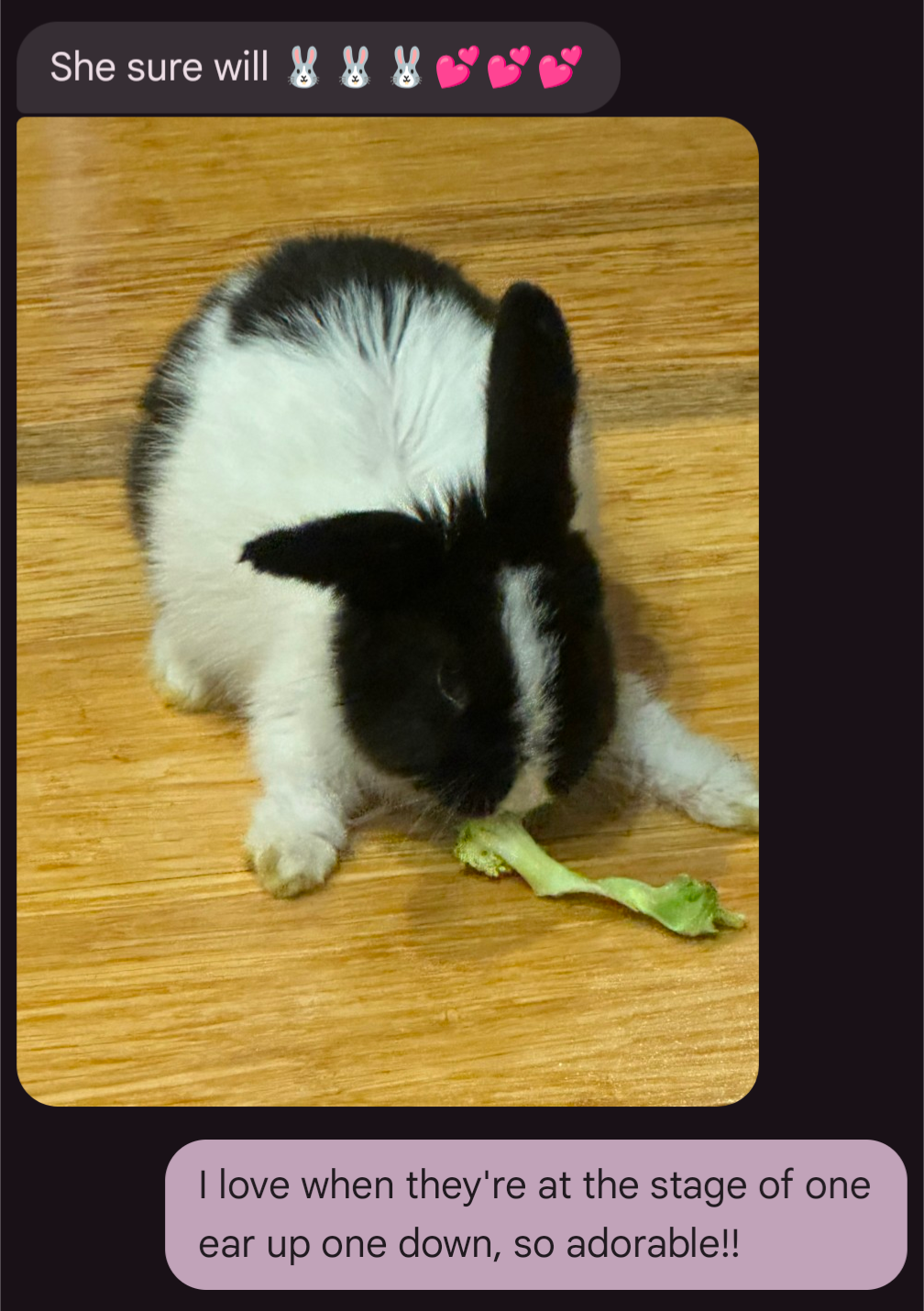
Show us your buns!
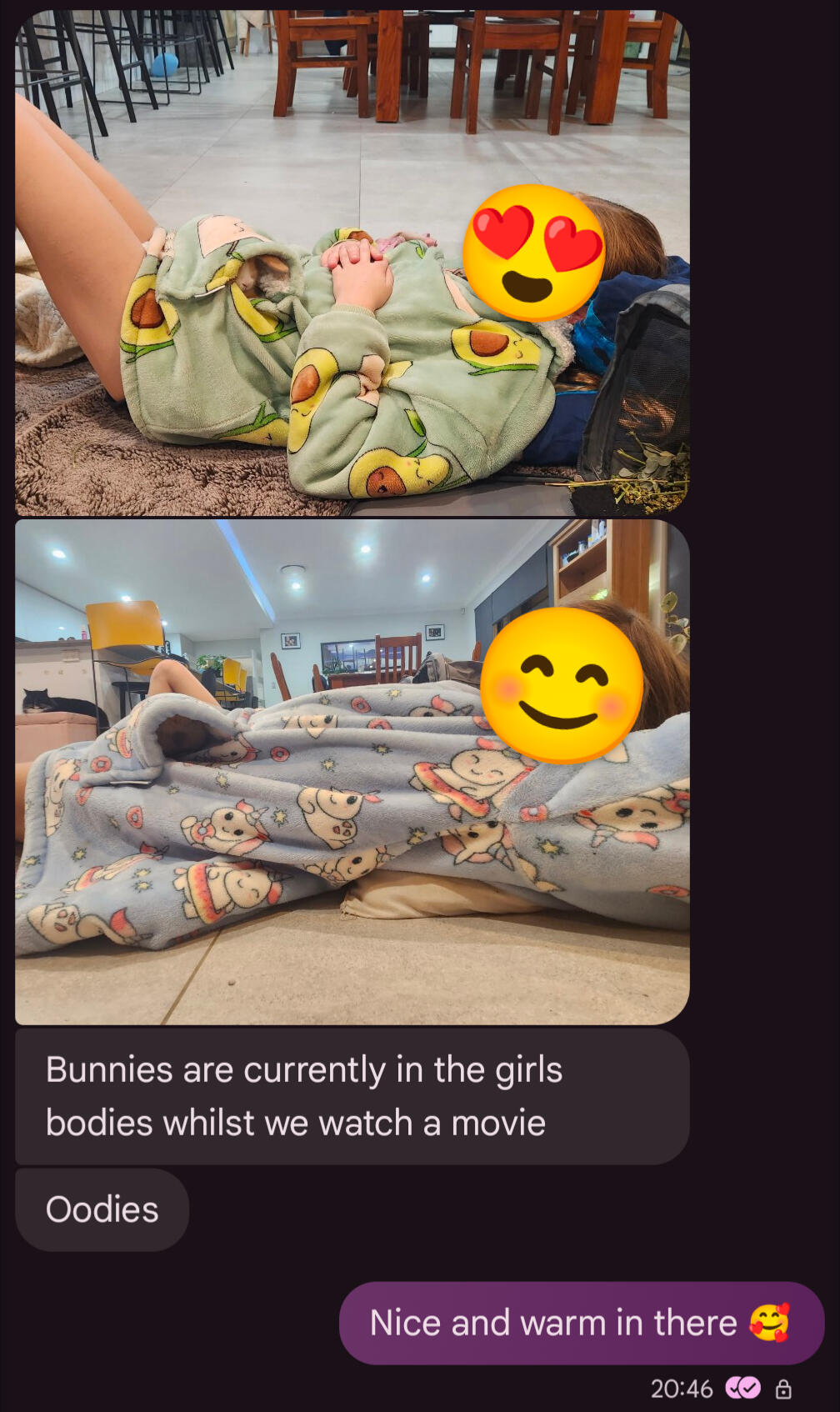
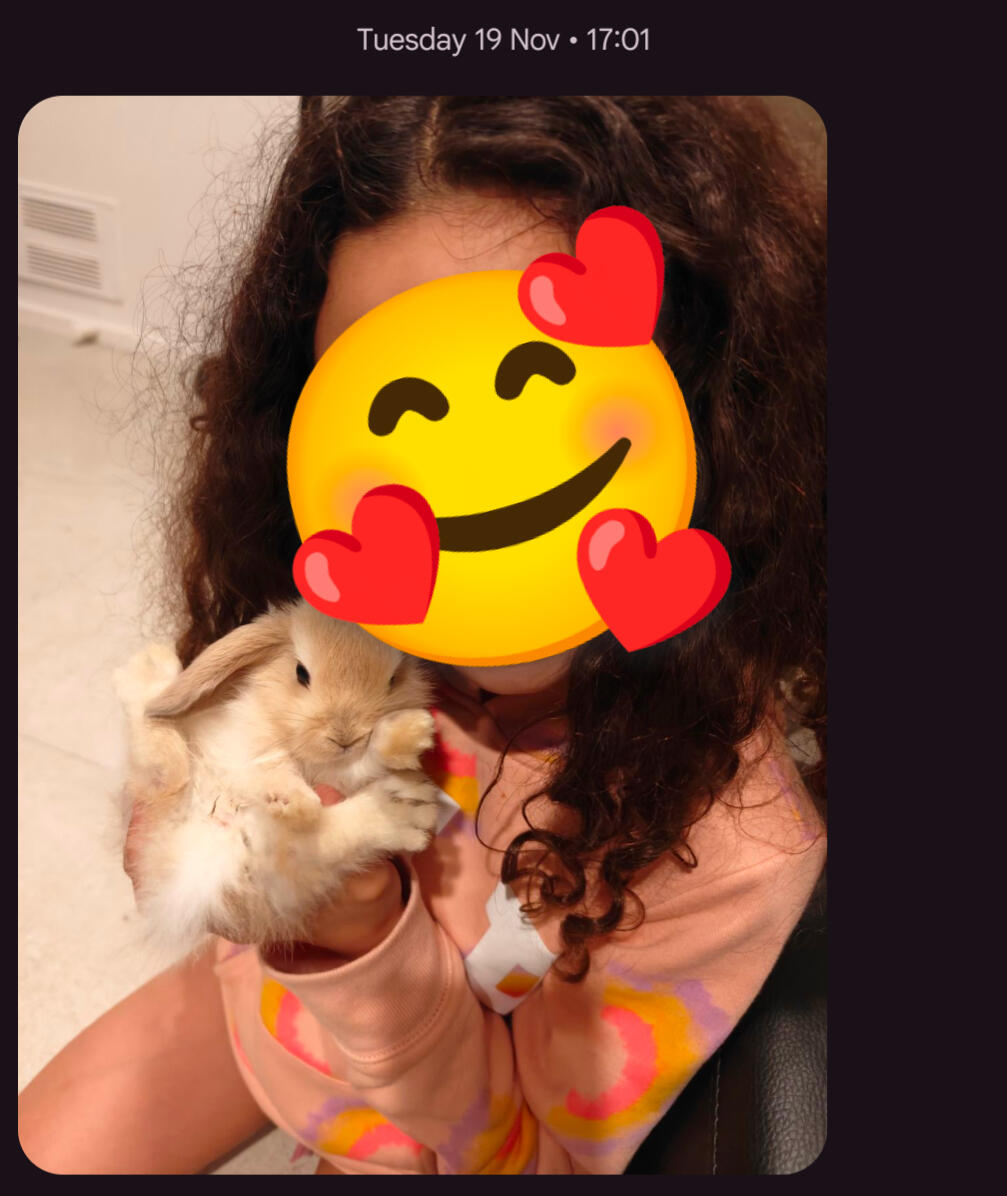
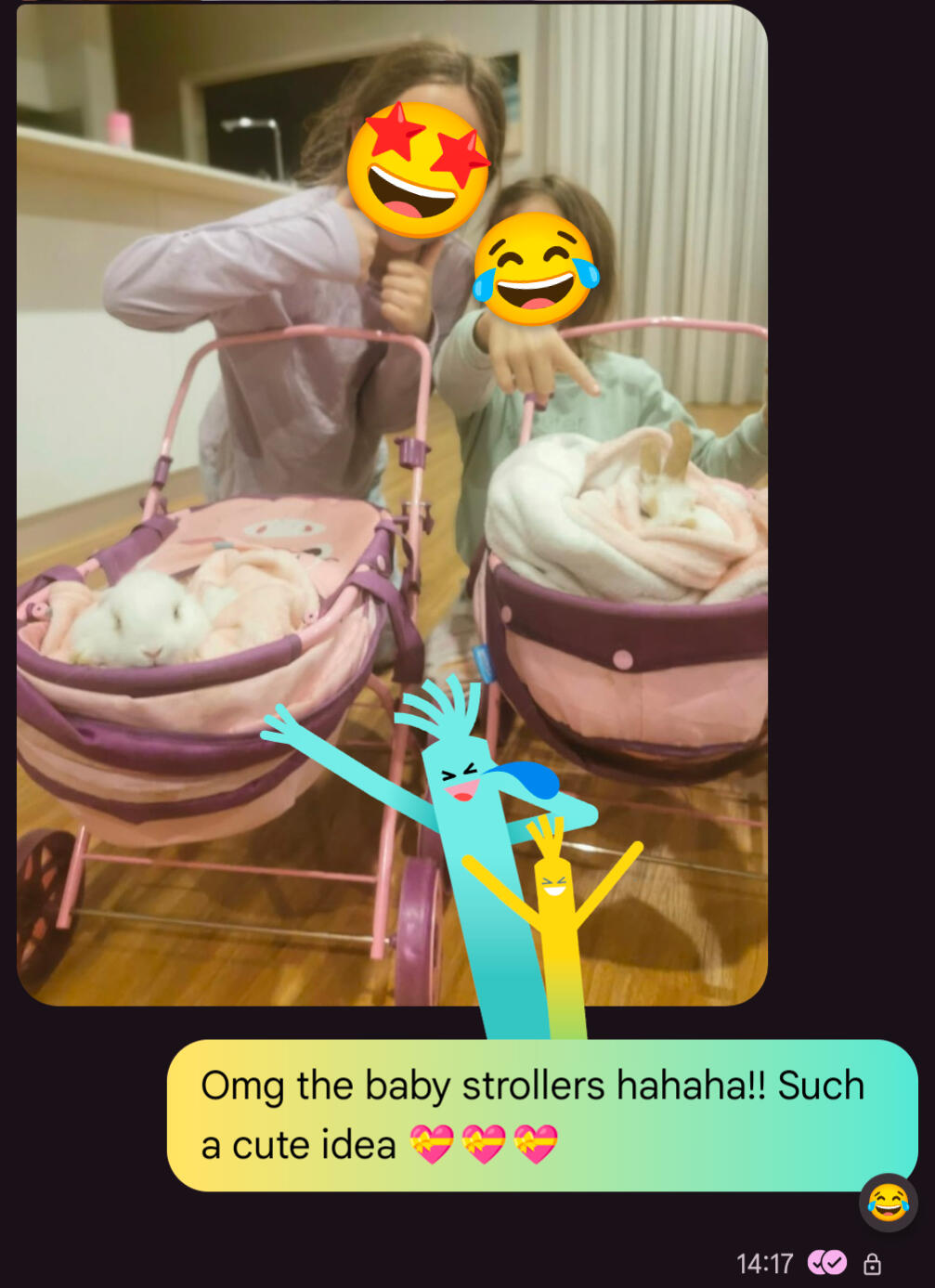
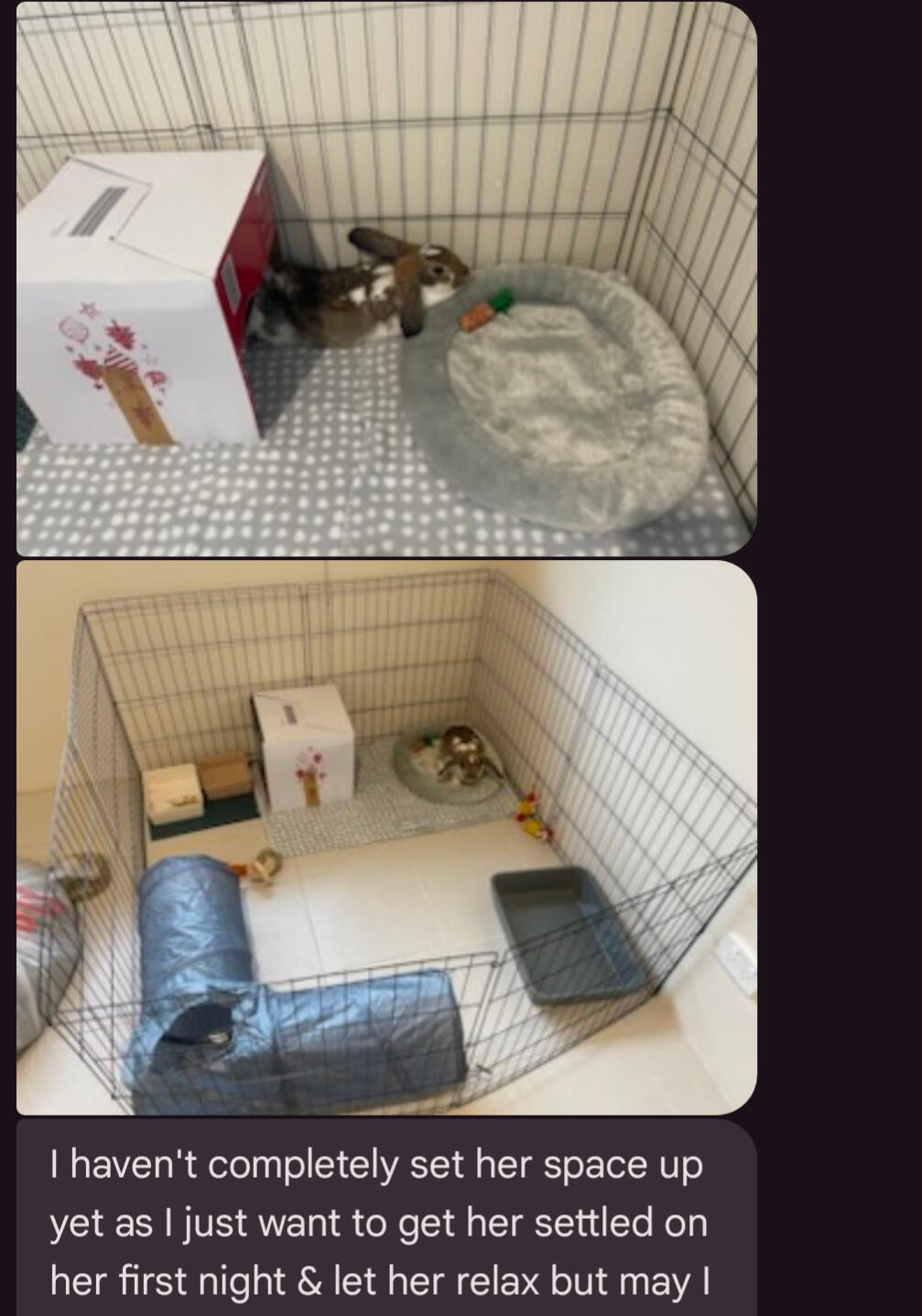
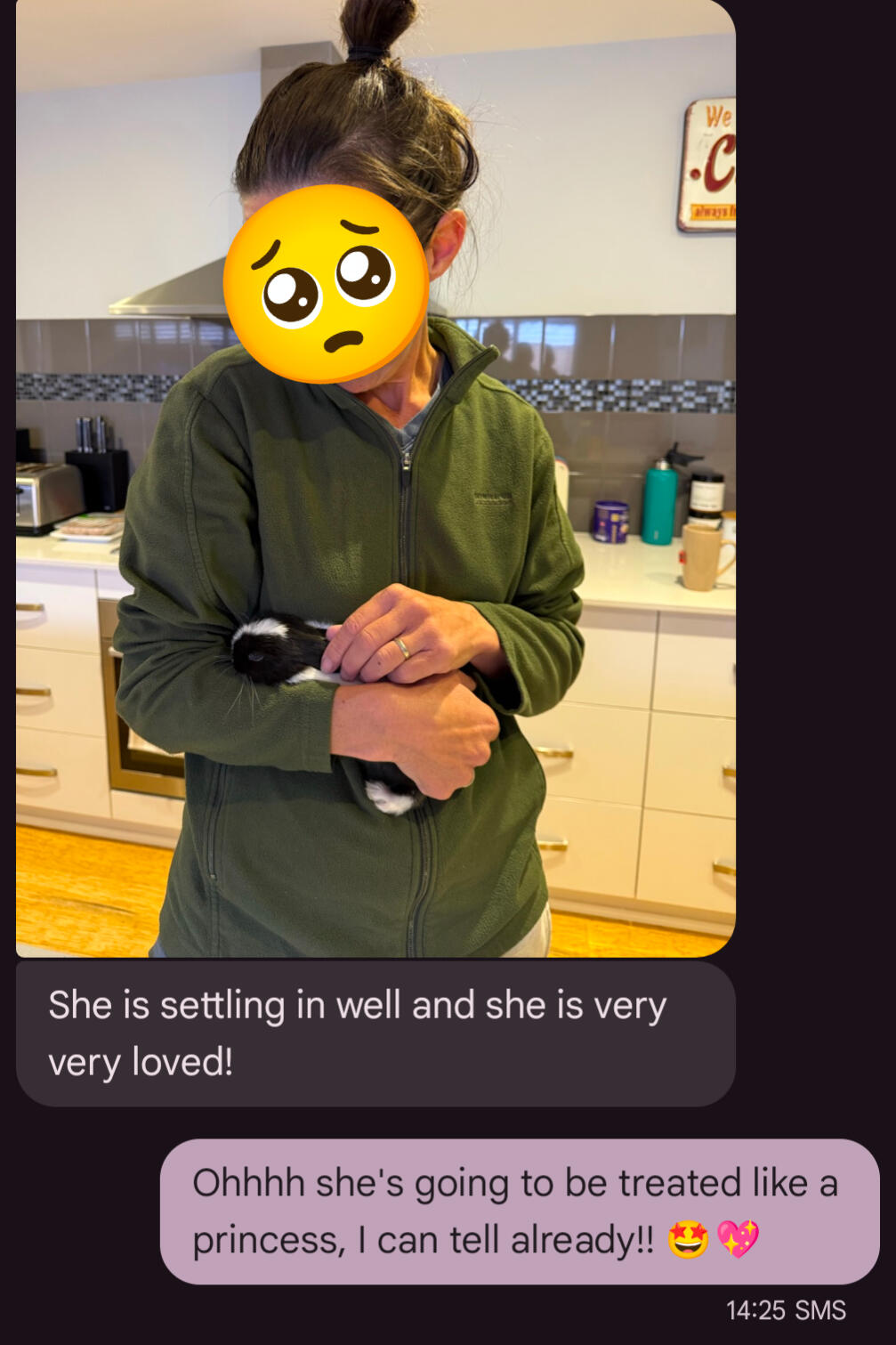
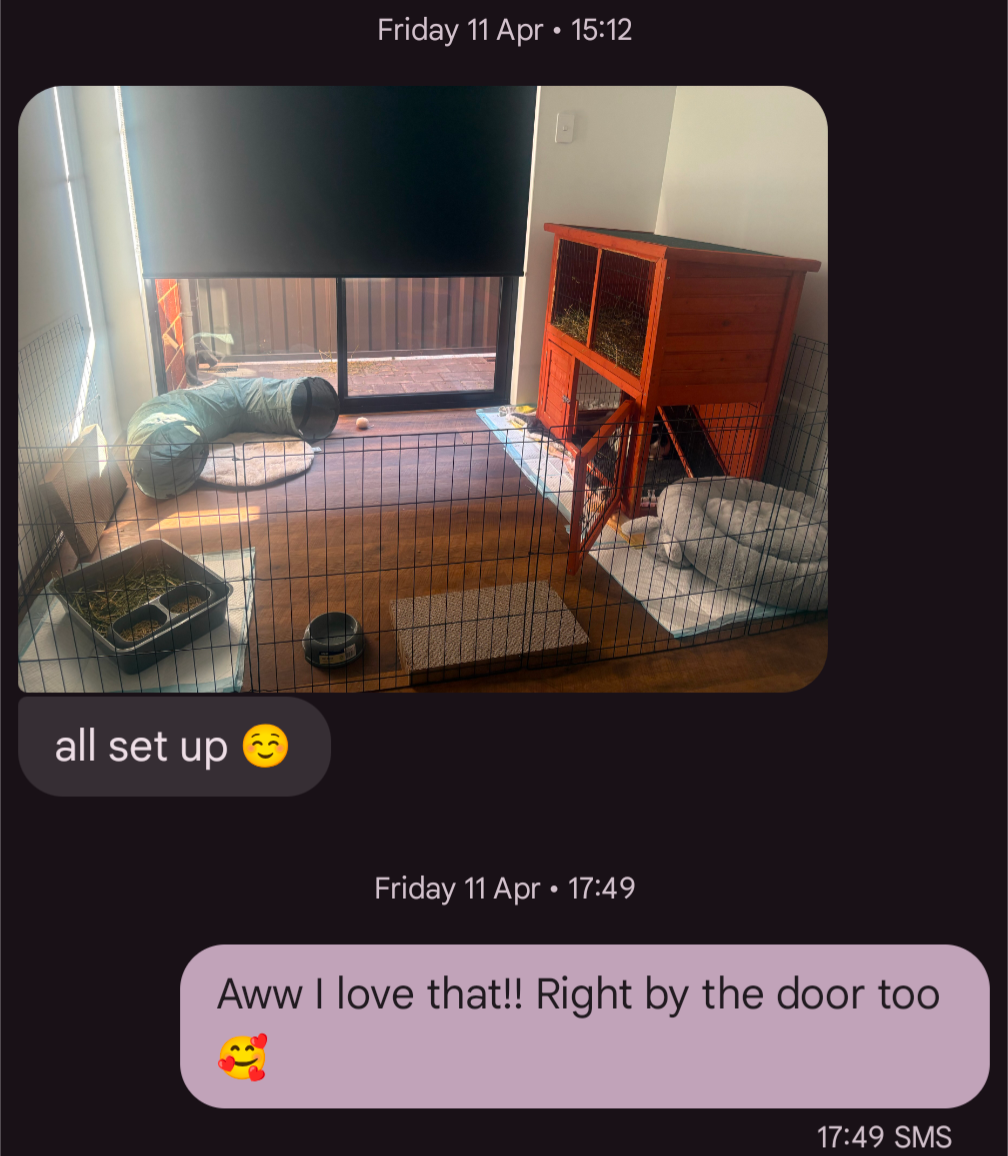
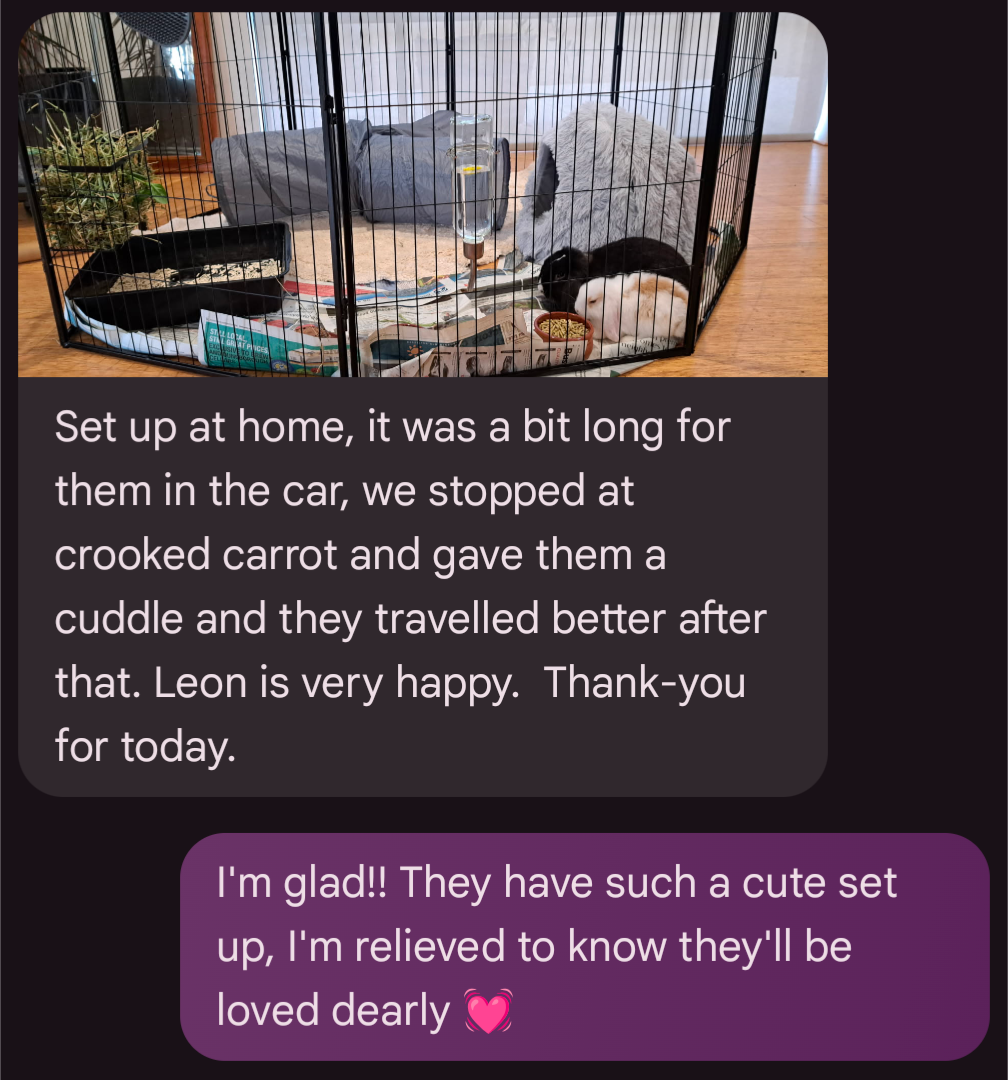
Another thing that sets us apart from other breeders is we WANT to stay in touch! We WANT to see pictures of your buns and how they grow and settle into their new homes!
Got some questions?
What do I need to buy?
Simplified summarised shopping list:
- Rabbit pellets (at least 18% protein, 20% fibre)(feed ~¼ cup per kilo per day)
- Lucerne/alfalfa hay(unlimited hay)
- Secure hutch/cage/dog pen
- Litter box
- Inexpensive rug/carpet/towels/blankets
- Ceramic bowls x2 (pellets + water)
- Wood/cardboard toys
- Vinegar (for cleaning)For an extended guide, please read: Mae's Rabbit Guide
How big will my bun/s get?
Our buns have a 50/50 chance of having the dwarfism gene, as we only breed dwarf-to-non-dwarf, never dwarf-to-dwarf. Dwarfism is dominant and only one gene is needed to be expressed. A small breed bun without dwarfism will have a maximum healthy weight of ~2.4kg, whereas a bun with dwarfism will have a maximum healthy weight of ~1.7kg. Females are typically larger than males. They will be smaller than a small breed cat either way.
Do they bite?
Biting is not common. A rabbit is more inclined to stomp their foot/grunt than to bite. During all my times with buns, I've only been bitten once by an older new arrival. Rabbits are known to chew on things for fun, but learning how to read your bun's body language will help you decide whether they are upset and need alone time or are just being playful.
Do they pee everywhere?
Generally, no. Rabbits can be litter trained like a cat. We recommend using paper or wood litter so there is no harm if they nibble on some. If your bun is peeing outside of their litter tray, wipe it up with a paper towel and put the paper towel in their tray. Then use a vinegar-water dilution 1:1 ratio to clean the area you don't want them peeing. If your bunny has started to mature and you find they are peeing on you/their surroundings, please look into getting them neutered; this really decreases unwanted behaviours.
Which is better, boy or girl?
This really depends on your living situation and personal preferences. If you plan on having your buns neutered ASAP, it doesn't matter too much. If you plan on getting them neutered later in life, I would suggest females. Male rabbits may be more affectionate when they hit maturity, but they also like to spray pee on you to show they love you. This is easily fixed with neutering. Females I find to be a lot cleaner/tidier than males but are prone to nesting behaviours which can be destructive.
What food should my bun eat?
For young buns, they are best fed a high protein & fibre diet. You can transition them to whichever pellets you wish. Whilst feeding your rabbits this, ensure they have plenty of lucerne hay and hard toys/wood to chew on to maintain their teeth.
Once they are around 5-6 months and have put on a decent amount of weight, they can be switched to pellets with around 15-16% protein and offered unlimited oaten hay.
When purchasing hay, it is cheaper to buy in bulk from a Stockfeeds instead of your local Petstock or Petbarn.
What should their home be made of? Wood? Metal?
You can decide. If made of wood like most of the ones at Bunnings, your buns will slowly chew it over time. It will not look as nice after a year of use. Metal may not look as aesthetically pleasing but will last a while in the long-run. Our suggestion is a metal puppy play pen with a removable rug underneath for ease of cleaning.
Are they dirty? Do they carry diseases?
Rabbits are very clean animals and generally do not need to be washed unless there is a medical issue. If your rabbit is healthy and kept away from wild animals that carry diseases, your rabbit will not carry anything harmful to you/your other pets.
Help! Something is wrong with my bun!!
If you believe it is not life-threatening, you are always welcome to contact us for guiding information or advice. This includes: messy bottoms, peeing in strange places, and matted fur.If the situation is serious, please take your bunny to a veterinarian who has knowledge on caring for rabbits!! This includes: lethargic behaviour, not pooping, rapid panting, noticeable weight loss, eye infection, head tilt, fever/hypothermia, etc.
What if I can't take care of my bun after I've adopted them?
Before you send them to a shelter or rescue, PLEASE contact us! We specialise in caring for rabbits. A lot of typical veterinarians do not understand a rabbit's diet nor their care requirements. We will be happy to take them in and find them a suitable home, no charge to you.
Are your buns Purebred?
We guarantee our rabbits are bred to BRC standards. Lops were only introduced to Australia in 1998 and it is currently illegal to import rabbits to Australia/NZ. We have specifically bred our rabbits to avoid having health problems such as airway difficulties from flat noses and birthing difficulties from large, round heads.